






 Portuguese
  Spanish


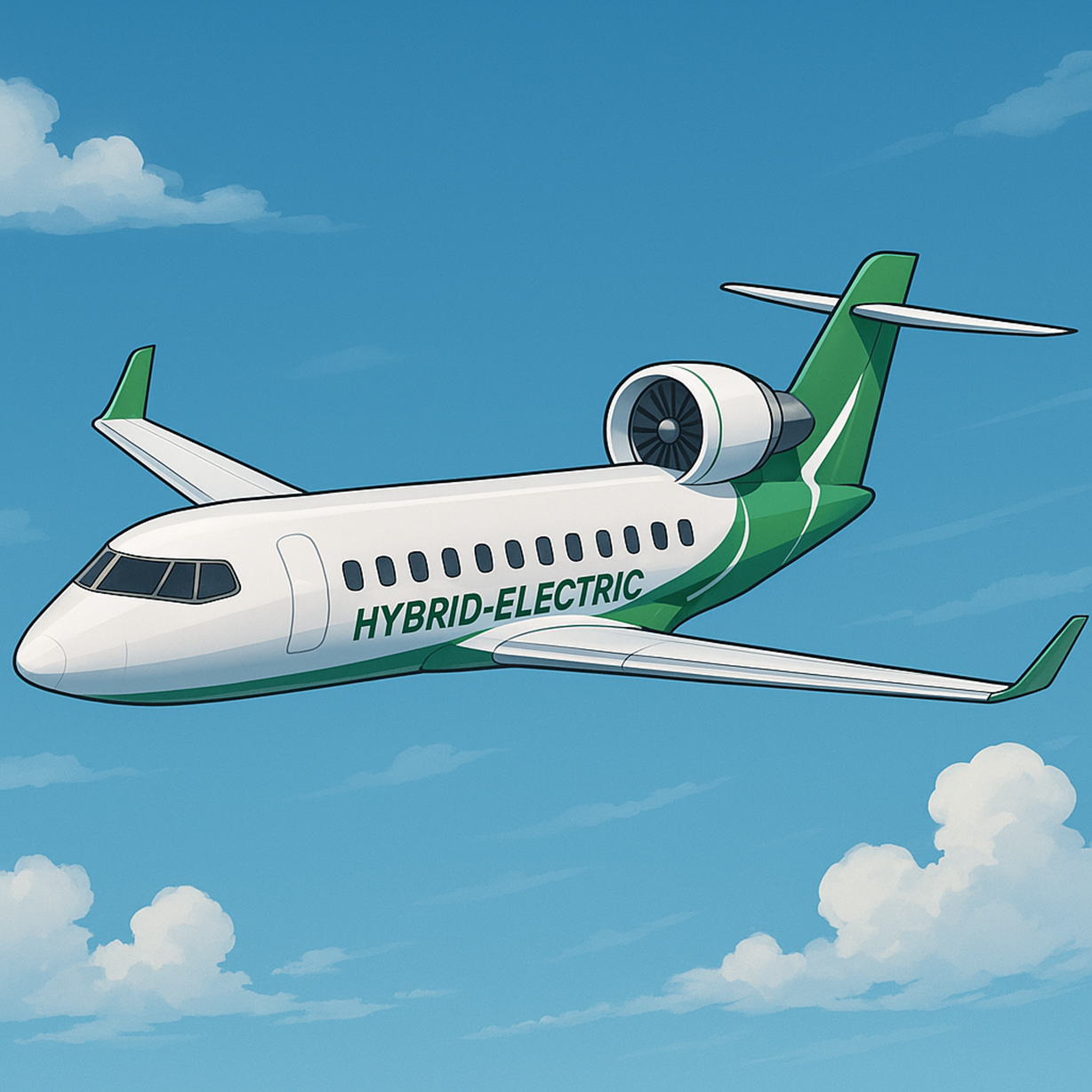

Helix Project Combines Hybrid Engine, Batteries, and Ducted Fans to Cut Almost 90% of Consumption on Flights of Up to 250 Nautical Miles.
A new radical proposal to transform regional flights could drastically reduce fuel consumption in aviation. Helix, a British company specialized in electric engines, has released a detailed plan that promises to revolutionize the air sector by decreasing fuel usage by up to 90% on short-distance routes.
New Architecture for Aircraft
In the document titled “A New Architecture for Aviation”, Helix presents a complete redesign for private and regional aircraft. The proposal combines three main elements: hybrid electric system, high-density engines, and ducted fans. Together, these innovations would allow a flight to consume only 23.8 kilograms of fuel, a significant reduction compared to current standards.
The project is aimed at flights of up to 250 nautical miles, which account for about a quarter of global air traffic. The idea is to utilize existing technologies without relying on future solutions or innovations still under development.
-
In China, Six-Armed Humanoid Robot Revolutionizes Washing Machine Factory, Boosting Efficiency by 30%

-
Engineers Uncover Rain’s Role in Airflow Mystery at Brazilian Underground Facility

-
Brazilian Engineers Lead $200 Million Project to Bring Water from São Francisco River to Transform Supply in Northeastern Cities

-
Brazilian University Tests Recycled Plastic Component for Homes, Aiming for More Sustainable Single-Family Housing Construction


Fuel Costs and Growing Demand
Fuel currently represents almost 30% of the operational costs for airlines. On short routes, this impact is even greater. With the pressure to adopt sustainable aviation fuels (SAFs), which tend to be more expensive than conventional ones, expenses are expected to rise.
This type of short-distance flight accounts for more than 26% of global air traffic. The growth projection is rapid: the market could reach US$ 115 billion by 2035. However, the current challenge lies in the high cost per kilometer and the technical limitations of current electric aircraft.
Limits of Pure Electric Aircraft
Helix shows, with numbers, that complete electrification still faces a major barrier: the low density of batteries. A plane model weighing 8,500 kg with 205 Wh/kg batteries would only be able to fly 142.6 nautical miles.
To overcome this, the company’s proposal is to adopt a series hybrid system. In this configuration, part of the batteries is replaced by a generator and liquid fuel. Thus, the aircraft can reach up to 250 nautical miles, consuming only 59.5 kg of fuel. This represents a 74.3% savings compared to conventional aircraft.
Moreover, the hybrid model allows flying on pure electric power during the most critical phases, such as takeoff and landing, while recharging the batteries during cruise.
Innovations in the Engine Reduce Weight and Consumption
Efficiency also comes from improvements in the engine. The basic model MagniX650, weighing 205 kg, has been replaced by the Helix SPX417-200 engine, which delivers 568 kW with only 90 kg. As a result, the complete electric propulsion unit (EPU) weighs only 124 kg, compared to 286 kg of the previous version.
This reduction of 162 kg per propeller allows for more battery use and decreased fuel consumption. In this case, the savings reach 11.1%, lowering the total requirement to 52.9 kg.
The company also proposes the use of gears to make the system lighter. The total mass of the EPU drops by 222 kg, freeing up space for an additional 45.5 kWh of electrical energy. Consequently, fuel consumption reduces to 50.2 kg — a 15.7% decrease.
Ultimately, the hybrid plane consumes only 21.7% of the fuel that a traditional model would use on the same route.
Ducted Fans and Efficiency Gains
Another important advancement comes with the adoption of ducted fans. Unlike open propellers, these fans encase the blades in a cylindrical structure, which reduces losses and increases thrust.
Despite adding 91.2 kg to the system and slightly reducing cruise speed (from 81 m/s to 77 m/s), the gains make up for it. The airplane requires 25% less power from the engine to generate the same thrust.
By combining the fans with the lightweight engine and geared system, the aircraft can utilize an additional 33.2 kWh of electrical energy, which further reduces the fuel needed during cruise flight.
This system also decreases noise, an important aspect for regional airports located in sound-sensitive areas. Additionally, it reduces the risk of blade damage — which represents an added advantage in safety and maintenance.
According to Helix, the sum of all these changes represents a significant advancement. Total fuel consumption could drop by up to 60% compared to a basic hybrid airplane and up to 89.7% compared to conventional models, considering flights of 250 nautical miles.
The company emphasizes that all the technologies presented are already available and can be implemented now. Thus, the proposal offers an immediate and practical solution to reduce emissions and costs in regional aviation, without relying on future technological advancements.


