





 Portuguese
  English
  Spanish
 5 min of reading
  1 comment


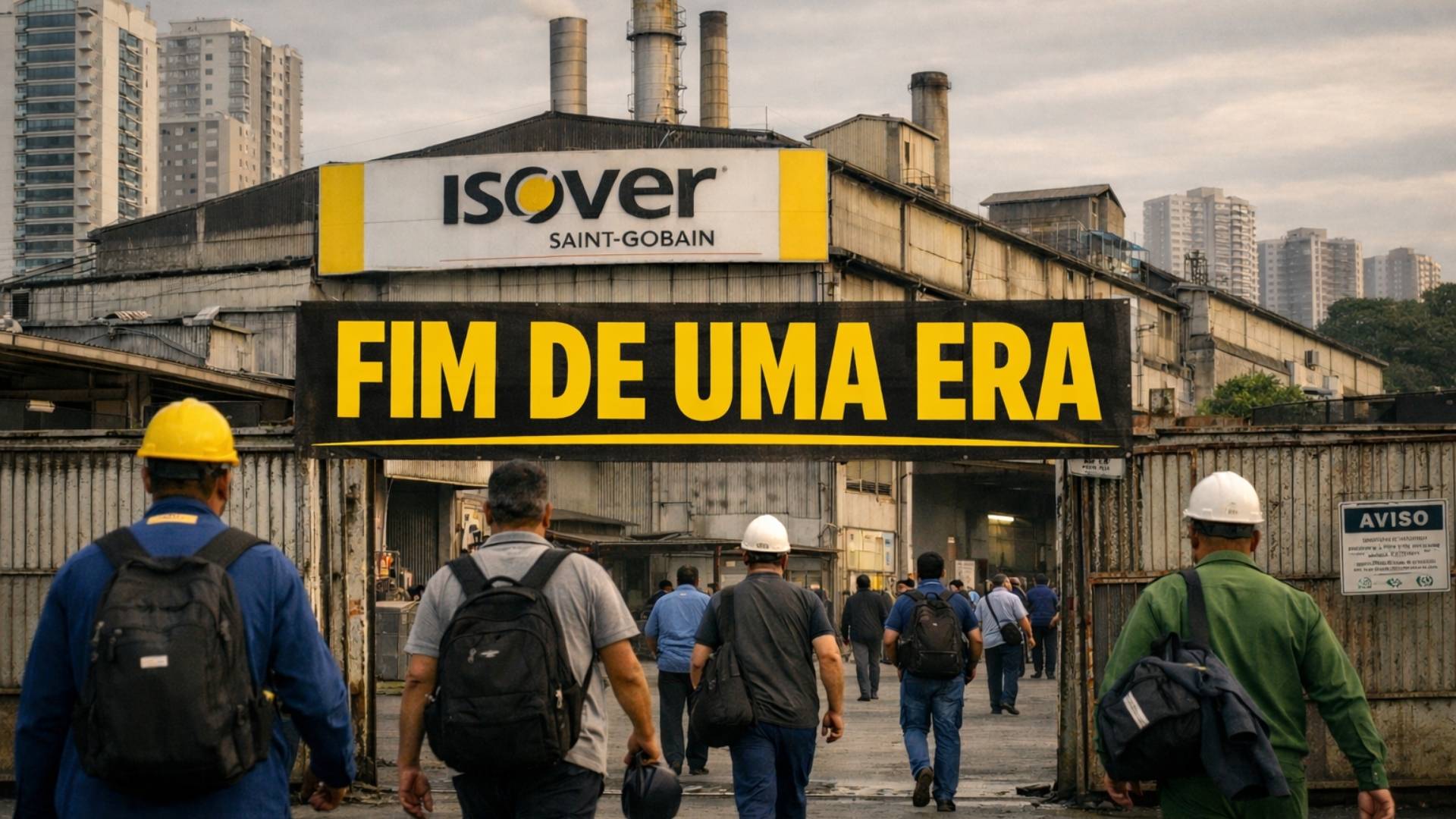


Closure of Industrial Unit in Santo Amaro Occurs After Environmental Agreement, History of Neighborhood Complaints and Years of Oversight, Directly Impacting Jobs, Neighborhood Routine and the Future of an Industrial Area Surrounded by Residences in the Southern Zone of São Paulo City.
The fiberglass manufacturer Isover, part of the Saint-Gobain group, signed a Conduct Adjustment Term, TAC, with the São Paulo Public Prosecutor’s Office and Cetesb to gradually cease industrial activities at its unit in Santo Amaro, in the southern zone of the capital.
According to an article published this Monday (29) by the newspaper Estadão, the schedule defined in the agreement establishes that production will be halted by July 2026. Complete decommissioning of the plant is expected by 2028.
During this period, the facility will operate exclusively as a distribution center.
-
Brazil wants to change its level and for that it is putting R$ 396 billion on the table in a mega plan with 35 concessions, 23 auctions, 11,300 km of highways, 9,000 km of railways, and a promise to transform national logistics.

-
They said Milei was destroying Argentina, but new economic data, increased confidence in banks, and an unexpected market reaction are beginning to raise a question that few imagined hearing again in the country.
-
15 million people leave Bolsa Família after income improvement, says the Minister of Social Development and Assistance, Family and Fight Against Hunger.

-
Luciano Hang published a comparison between Brazil and the United States and exposed a wound that many prefer to ignore: why do Brazilians work so much, earn so little, and still see the country drifting further away from the Americans?





The shutdown follows a history of complaints from residents regarding unpleasant odors, noise, and pollutant emissions.
These complaints led to the opening of a civil investigation and environmental inspections conducted by the competent authorities.
According to information gathered during the procedure, between 2023 and 2025 the company accumulated infraction notices.
The violations primarily refer to the emission of odors perceptible outside the property limits and noncompliance with previously imposed penalties.
Closure of Fiberglass Production in Santo Amaro
The TAC establishes stages and deadlines for the discontinuation of operations related to fiberglass production.
Among the activities scheduled for closure are fiberizing, curing in a chamber, and operation of the melting furnace.

According to the agreement, industrial production must be completed by July 4, 2026.
The definitive shutdown of the furnace is scheduled to occur by July 31 of the same year.
While activities are not completely halted, the company must maintain environmental control systems in operation.
It must also comply with pollutant emission limits established by regulatory authorities.
Furthermore, the TAC requires the periodic submission of technical reports to Cetesb and the Public Prosecutor’s Office.
The agreement also includes obligations related to the environmental liabilities of the area occupied by the factory.
A contaminated area management plan is planned, involving stages of investigation, diagnosis, and potential remediation of the soil.
The document also addresses the dismantling of equipment and the proper disposal of industrial waste.
In case of noncompliance with these obligations, the company may be fined R$ 10 thousand per day, with monetary correction.
History of the Factory and Urban Impact in the Surrounding Area

The industrial unit was established in Santo Amaro in 1951.
Since then, it has remained operational even after the urbanization and densification of the area.
Over the decades, the surroundings began to concentrate residential condominiums and houses.
With the expansion of urban occupation, residents began to report complaints related to living with the industrial activity.
Among the most frequent reports were nuisances associated with odors, noise, and air pollution.
These complaints led to the mobilization of residents and communication with public bodies.
Meetings were held with the Santo Amaro subprefecture, Cetesb, and the Public Prosecutor’s Office.
The issue was also discussed in a public hearing held throughout 2025.
Company Position and Employment Impacts
In a statement, Isover confirmed the closure of fiberglass production at the unit.
The company stated that the decision was made after dialogue with local residents and regulatory agencies.
“The decision was made after a long dialogue process with the neighborhood and competent regulatory agencies and the signing of a TAC with the São Paulo Public Prosecutor’s Office.”
The company also stated that it has operated at the site for over 70 years.
According to the company, its activities have always complied with existing legislation.
It also stated that it follows sustainability and human health safety criteria established by national and international entities.

In labor matters, the cessation of activities will occur gradually.
According to the company, this measure aims to minimize impacts on workers and their families.
The estimated number is about 150 people affected, including approximately one hundred direct employees and another 50 indirect employees.
Before formalizing the agreement, the company claims to have taken measures to reduce conflicts with the neighborhood.
Among them are improvements in the factory’s sound insulation.
Investments were also made in technology to minimize steam emissions.
There was also a halt of activities on weekends and a cessation of nighttime unloading.
According to the company, a communication program with the local community was also implemented.
Environmental Monitoring and Future of the Area
With the signing of the TAC, the Public Prosecutor’s Office should file for the closure of the civil investigation.
The monitoring of compliance with the obligations set forth in the agreement will continue.
So far, the future of the area occupied by the factory after the cessation of activities has not been defined.
The discussion on the future use of the land should take place in later stages of the decommissioning process.
Within the scope of the investigation, the company maintains that its operations have always been safe.
According to Isover, there is no evidence of harm to the health of its workers.
This statement is based on medical reports and occupational certificates presented to the authorities during the procedure.
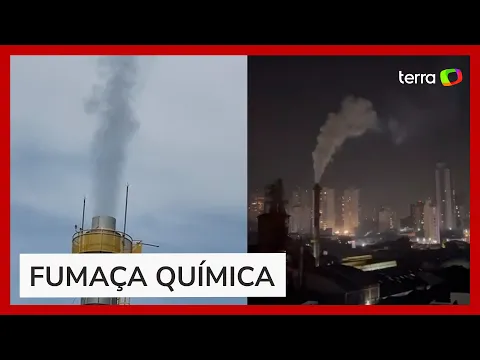

Political Pressure and Community Protests
The search for a solution involved different instances of the public power.
Complaints made by residents contributed to the intensification of actions by environmental agencies and the Public Prosecutor’s Office.
Councilor Renata Falzoni, from PSB, followed the discussions related to the case.
According to her, the agreement responds to a long-standing demand from local residents.
“The shutdown of the factory directly benefits the life and health of the surrounding population, in addition to representing a major victory in the fight against climate change and for air quality in São Paulo City.”
The parliamentarian also stated that the neighborhood has dealt with impacts associated with the industrial activity for years.
“The decision is a relief for the about 50 thousand affected citizens, especially children and the elderly.”
The agreement does not end monitoring of the case. According to the defined schedule, responsible agencies will need to monitor compliance with the environmental measures set forth.
It will also be up to the public power to oversee the execution of the area management plan.





Quem chegou primeiro foi a fábrica a prefeitura nao podia ter autorizado a construir moradia as fábricas indo embora de São Paulo onde esse povo vai trabalhar aqui vai ficar uma cidade fantasmas fora os caminhão que nao pode entrar na cidade pra fazer coleta e entrega parabéns ao envolvidos