






 Portuguese
  Spanish


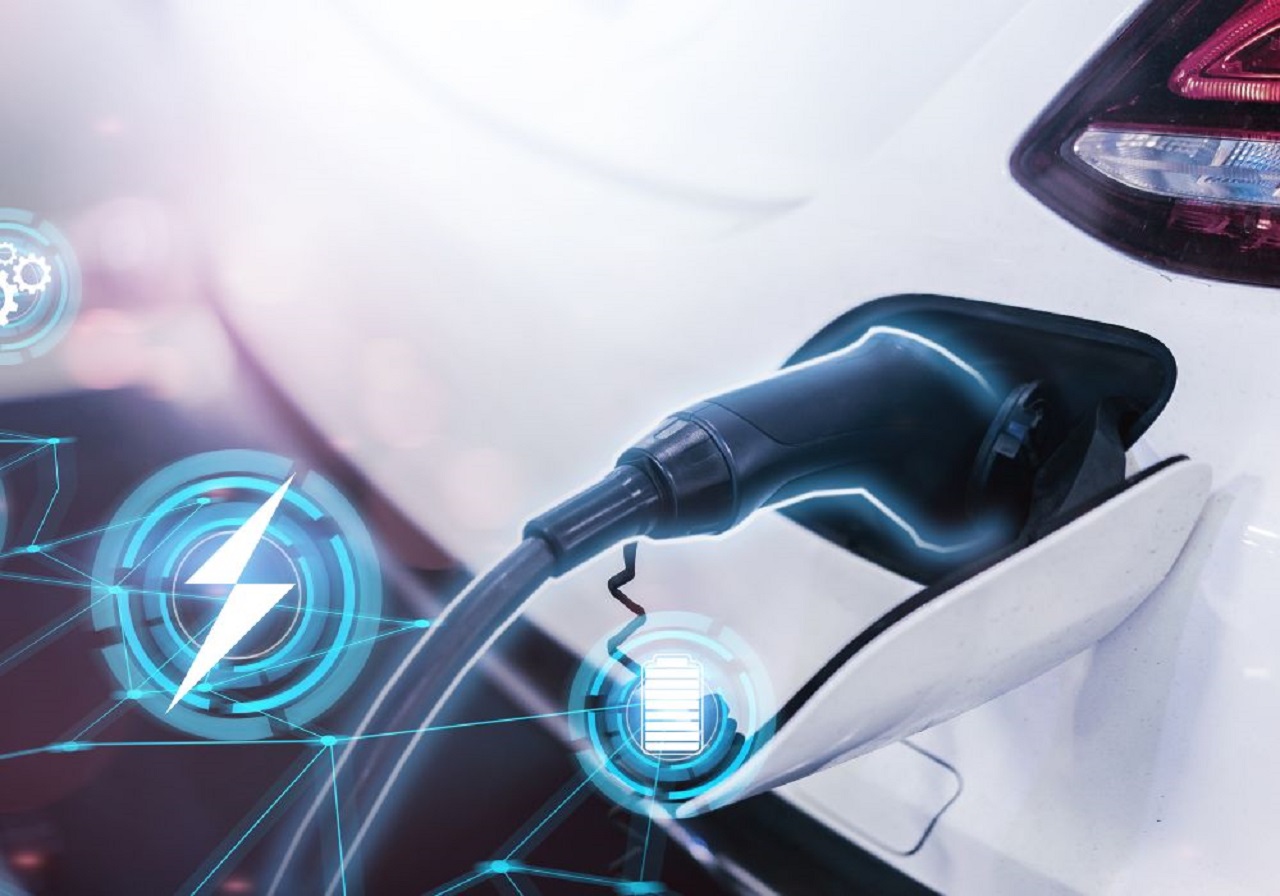

Startup Develops Method to Produce Electric Car Batteries Innovatively. The Company’s System Uses Artificial Intelligence (AI) for Product Manufacturing.
The manufacturing of electric car batteries is not a simple task and, despite following all protocols for production, the product may show issues such as slow charging and overheating, not to mention environmental abuses, even though this is the current sustainable bet. In an attempt to overcome these and other difficulties, Chemix, a startup operating in the research and development sector, is using Artificial Intelligence (AI) to generate new versions of batteries.
AI System Takes Six Months to Design New Battery for Electric Cars
Chemix is testing different battery chemistries. The company’s software platform, called Mix, uses data to develop new versions for testing, driving the iteration cycle.
The system takes about six months to develop a new battery that exceeds the performance of existing electric car batteries on the market. So far, results have shown an average improvement of 300% of the new batteries developed with Artificial Intelligence compared to the current ones. Chemix’s components for electric cars have also reduced metals such as cobalt and nickel.
-
China Develops Custom 140-Ton Electric Mining Truck with 770 kWh Swappable Battery, Deploys 290 Units in Xinjiang’s Largest Zinc Mine

-
Meta to Launch Arena, a New Prediction App Targeting 3.56 Billion Users, Competing with Polymarket and Kalshi

-
Scientist Challenges Famous Human Evolution Theory, Argues Homo Sapiens Evolved Gradually Over Thousands of Years
-
15-Year-Old American Builds Ocean Generator with PVC Pipe and 3D-Printed Propeller for $12, Wins National Prize, Presents at White House, and Makes Forbes 30 Under 30 List




According to Chemix’s co-founder and CEO, Kaixiang Lin, AI is suggesting new molecules for the company to test daily. The company refers to this as Research and Development (R&D), given that there is very little human intervention in the process.
According to FastCompany, Chemix works directly with electric car manufacturers seeking better means of production. One of its first components to hit the market will be a battery for a New Zealand-based company called UBCO, which produces off-road electric motorcycles. Lin explains that the company wanted to build a bike that did not use a controversial metal like cobalt.
Use of AI to Redesign Batteries Will Increase Worldwide
According to the company’s plans, the goal is to launch another electric car battery in 2023, but this time designed for use in any sports model or motorcycle. Improvement is continuous. Thus, even after the launch of the first product, the second generation of performance is already underway.
Lin emphasizes that, although his company is attracting attention for innovation, the use of Artificial Intelligence to redesign electric car batteries will likely expand, which could change the course of manufacturing these components similarly to what AI has done and continues to do in medicine. The combination of AI, statistics, and a data-driven approach has truly transformed the sector.
Artificial Intelligence Will Replace Professionals at IBM
The CEO of IBM, Arvind Krishna, a company that operates in the information technology area, stated that the company should stop hiring new professionals for jobs that can be done by AI. The executive of the multinational plans to replace current employees in areas that are not customer-focused.
The statement was made in an interview with Bloomberg. Arvind Krishna believes that 30% of the workforce could be “swapped” for robots and automation in the next 5 years.
IBM’s estimate is to replace 7,800 jobs of people with AI that can take over certain automated tasks, including in the HR sector. The executive did not provide details on whether he plans to carry out rounds of layoffs; however, he stated that some positions will not be filled when they become vacant.
Currently, the company has around 260,000 professionals worldwide, of which 10% are allocated to non-customer service roles. If the promise is fulfilled, the total number of unemployed could rise to 26,000.






