Portuguese
  Spanish


Learn How MP 1,300 Threatens Investments and Could Make Solar Energy Generation Unviable, Harming Consumers and the Growth of the Sector in Brazil.
The MP 1,300 has generated great concern in the distributed solar energy sector, which includes systems installed in homes, businesses, and small enterprises.
Furthermore, business owners and experts warn that the measure could make solar energy generation unviable, harming thousands of Brazilians who invested in self-generation of energy and the economic benefits it provides.
In recent years, solar energy in Brazil has been growing rapidly. Since the approval of Law No. 14,300/2022, which regulates distributed generation, thousands of new photovoltaic systems have emerged across the country.
-
Brazil’s Vitória Airport to Launch Solar Plant Covering Area of 10 Soccer Fields, Boosting Clean Energy and Cutting Costs

-
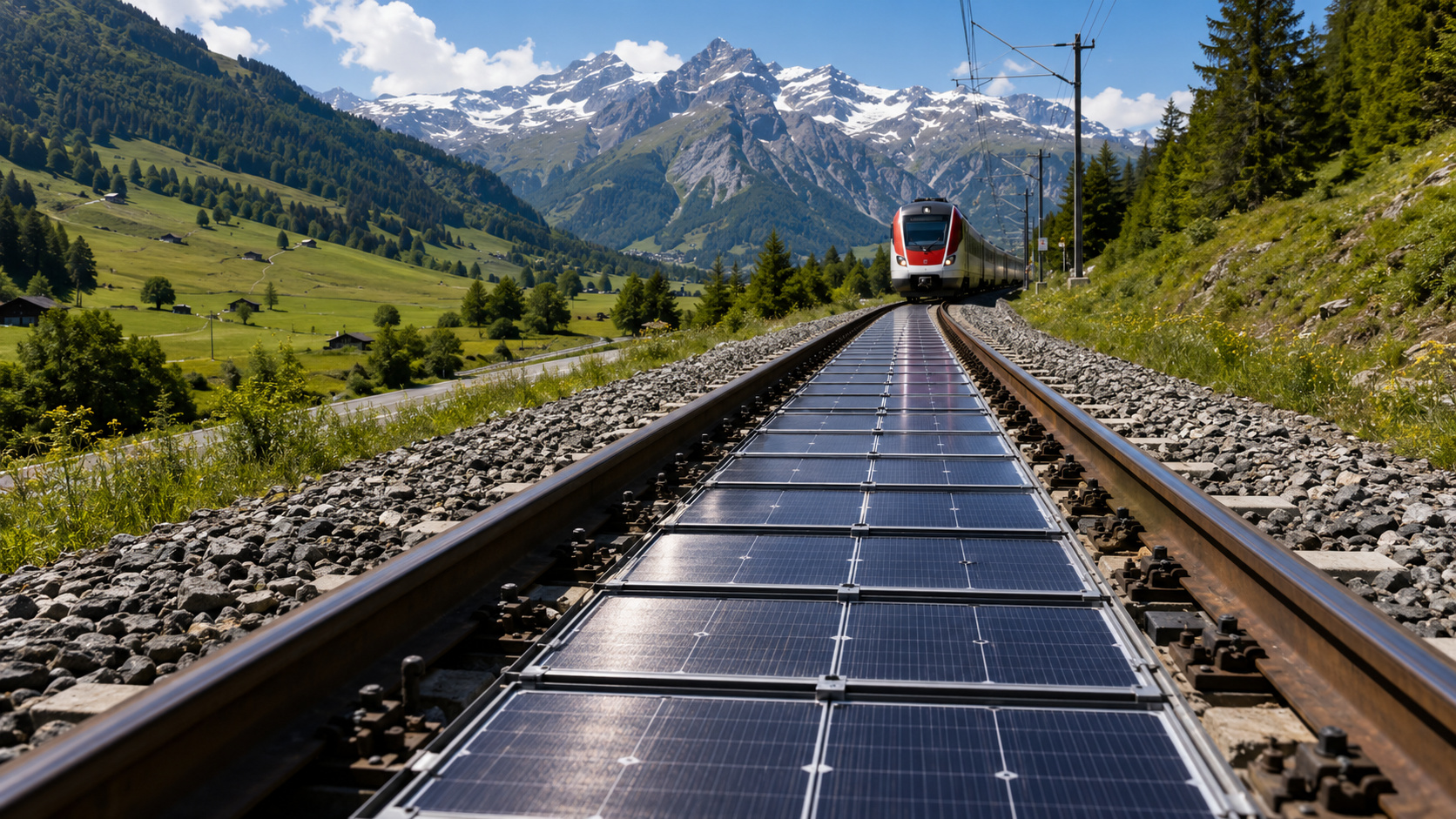
Switzerland Converts Train Tracks into Solar Power Plants with Removable Panels to Generate Energy Without Using Additional Land
-
Surge in Solar-Powered Homes in Brazil Leads to Grid Strain and Connection Restrictions in Three States

-
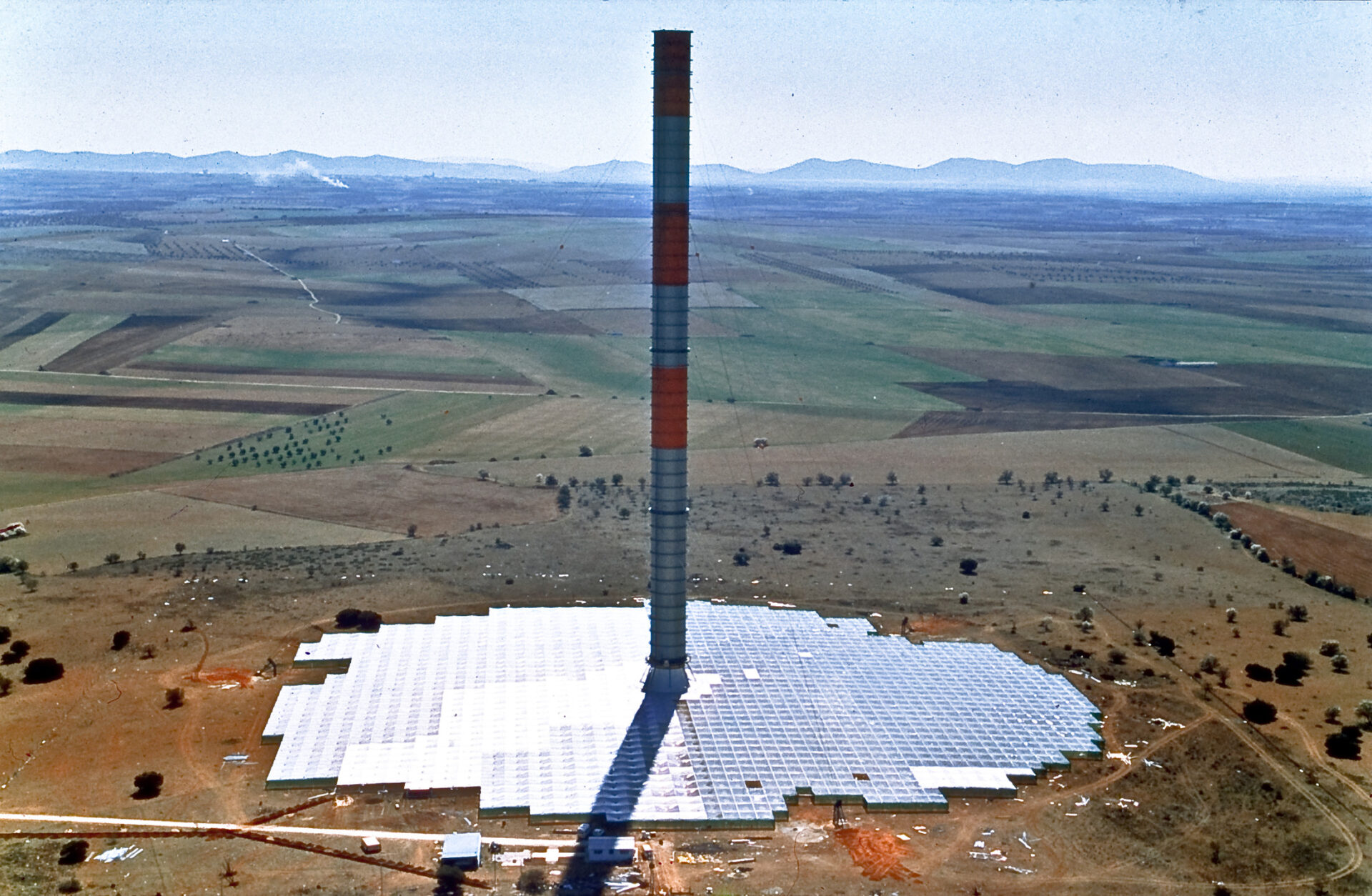
Solar Chimney in Spain Harnessed Sun to Generate Electricity for 7 Years Without Burning Fuel

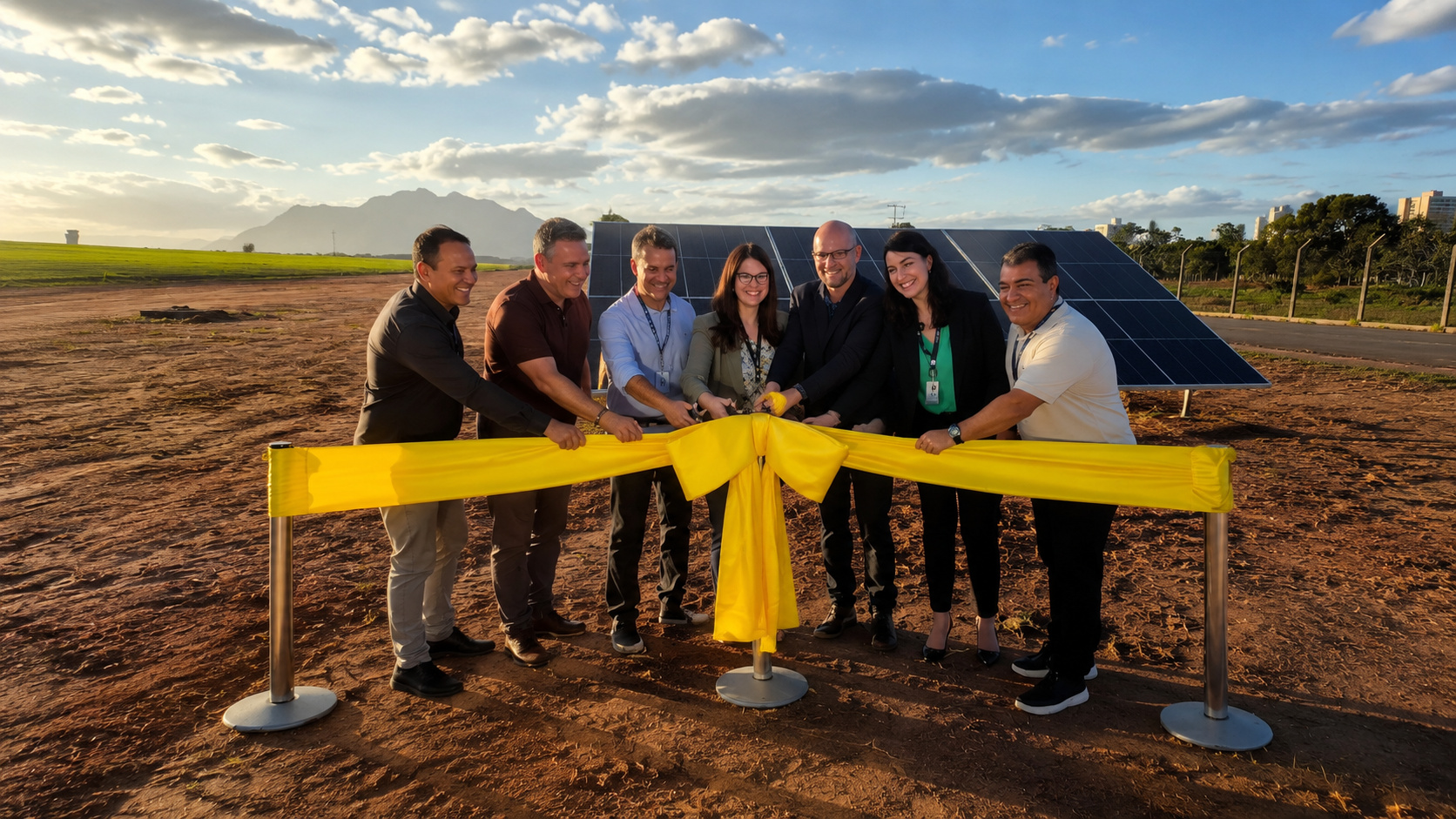
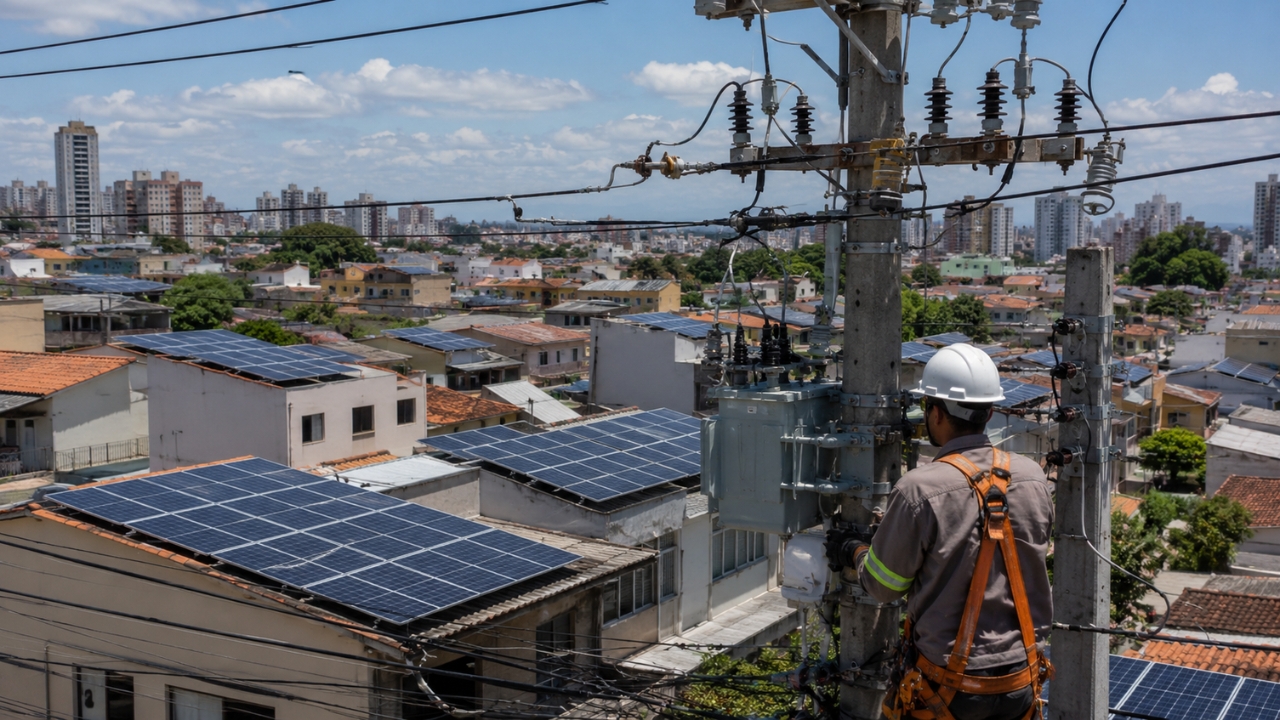
In regions like Ceará, for example, over 120,000 points already have solar panels installed, highlighting the popularization of this clean and renewable source.
Additionally, distributed generation contributes to the decarbonization of the energy matrix and offers savings on electricity bills, as well as energy independence for homes and small businesses.
However, the MP 1,300 threatens this scenario by proposing changes to the electric sector rules that directly affect consumers who produce their own energy.
For instance, the possibility of Aneel mandatorily modifying the tariffs that apply to solar energy without the need for public hearings creates legal uncertainty.
Thus, the financial benefits for those who invested in distributed generation may drastically reduce.
Economic Impacts and Risks for Investors
Hewerton Martins, a businessman and consultant in the solar energy sector, stated that the measure could “liquidate companies within 12 months.”
Moreover, he emphasizes that the lack of predictability in tariff charges and abrupt changes in rules dissuade new investments, harming not only individual consumers but the entire productive sector linked to solar energy.
Additionally, the debate surrounding MP 1,300 involves issues of social justice and regional balance.
According to Sindienergia-CE, linked to the Federation of Industries of the State of Ceará (Fiec), paragraph 10 of the Measure could create indirect discriminations among consumers with similar profiles.
Consequently, this situation would be particularly harmful in more vulnerable regions, such as the Northeast, where the expansion of solar energy ensures greater access to clean energy and cost reduction.
Likewise, Sindienergia-CE stresses that the MP needs to respect basic consumer rights, guaranteed by the Consumer Defense Code, and preserve the legal certainty necessary for investments in the electric sector.
If the measure advances without changes, it is still unclear whether it will affect only new consumers or also those who have already installed photovoltaic systems.
In addition to the immediate economic impacts, the MP threatens to reduce the competitiveness of the Brazilian solar sector.
On the other hand, neighboring countries and international markets offer more stable incentives, which could lead investors to direct resources outside Brazil.
Consequently, this exodus harms job creation, inhibits technological innovation, and diminishes the country’s capacity to lead the energy transition in Latin America.
Structural Problems and Technical Challenges
The concern is not limited to energy tariffs.
Business owners like Lucas Melo, who operates in the sector in Ceará, emphasize that the Brazilian electric sector needs structural investments so that distributed generation can develop sustainably.
Moreover, he points out that the energy loss known as “curtailment,” caused by the lack of infrastructure for offloading at peak times, often occurs due to structural problems of the grid, and not due to failures in distributed generation.
Indeed, the history of solar energy in Brazil shows that the country has gone through various phases until it popularized distributed generation.
From the first experimental projects in the 1990s, through the initial regulation in 2012 with Aneel’s Regulatory Resolution 482, to the consolidation of the distributed generation law in 2022, the sector shows potential for continuous growth.
However, the introduction of measures that could make solar energy generation unviable creates setbacks that threaten years of progress.
Therefore, the transition to a sustainable energy model requires regulatory predictability.
Entrepreneurs advocate that changes to the tariff structure should occur with gradualism, safeguards, and respect for contracts, avoiding abrupt economic impacts.
Moreover, international experience shows that countries that abruptly changed solar energy incentive policies, such as some states in the United States and Europe, faced retraction in investments and maintenance difficulties for residential systems and solar parks.
Another relevant point is the encouragement of education and energy awareness.
Many consumers are still unaware of the benefits of self-generating energy, and unstable policies reinforce the perception of risk and discourage new investments.
Therefore, to ensure sustainable expansion, it is necessary to combine regulatory predictability with informational campaigns that highlight the economic and environmental gains of solar energy.
Modernization and Proposals to Ensure the Sector
Moreover, the electric sector needs to adapt to new technological demands.
Investments in smart metering, storage, and grid digitalization benefit all consumers, not just those who generate their own energy.
Thus, the energy produced during peak times can be used efficiently, reducing waste and increasing the reliability of the electric system.
Sindienergia-CE proposes that any changes proposed in paragraph 10 of MP 1,300 include minimum guarantees.
Among them are respect for acquired rights, broad and transparent public consultations, regulatory impact analysis, and gradual implementation of new tariffs.
Thus, these measures prevent distributed generation from becoming unviable and ensure that consumers do not suffer unjust penalties due to abrupt changes.
In summary, the approval of MP 1,300 without adequate adjustments could make solar energy generation unviable in Brazil, compromise investments, reduce the economy of families and small businesses, and delay the development of a cleaner and more sustainable energy matrix.
Therefore, the history of solar energy in the country shows that progress depends on consistent, predictable policies that value the rights of those investing in self-generated energy.
Finally, ensuring this balance is essential for Brazil to continue advancing towards a fairer, more accessible, and environmentally responsible energy future.