Portuguese
  Spanish


Japanese researchers have announced a significant breakthrough in the field of solar energy, by developing a new technology capable of considerably increasing the efficiency of photovoltaic panels. The discovery involves the use of molybdenum-based materials, which can enhance light capture and expand energy generation.
The study suggests that, with this innovation, solar energy can achieve performance levels beyond the limits traditionally set by current technology.
New technology breaks barriers of energy efficiency
Currently, conventional solar panels face known physical limitations that restrict the amount of light converted into electricity. However, Japanese scientists have identified a way to overcome some of these restrictions.
-
Brazil’s Vitória Airport to Launch Solar Plant Covering Area of 10 Soccer Fields, Boosting Clean Energy and Cutting Costs

-
Switzerland Converts Train Tracks into Solar Power Plants with Removable Panels to Generate Energy Without Using Additional Land
-
Surge in Solar-Powered Homes in Brazil Leads to Grid Strain and Connection Restrictions in Three States

-
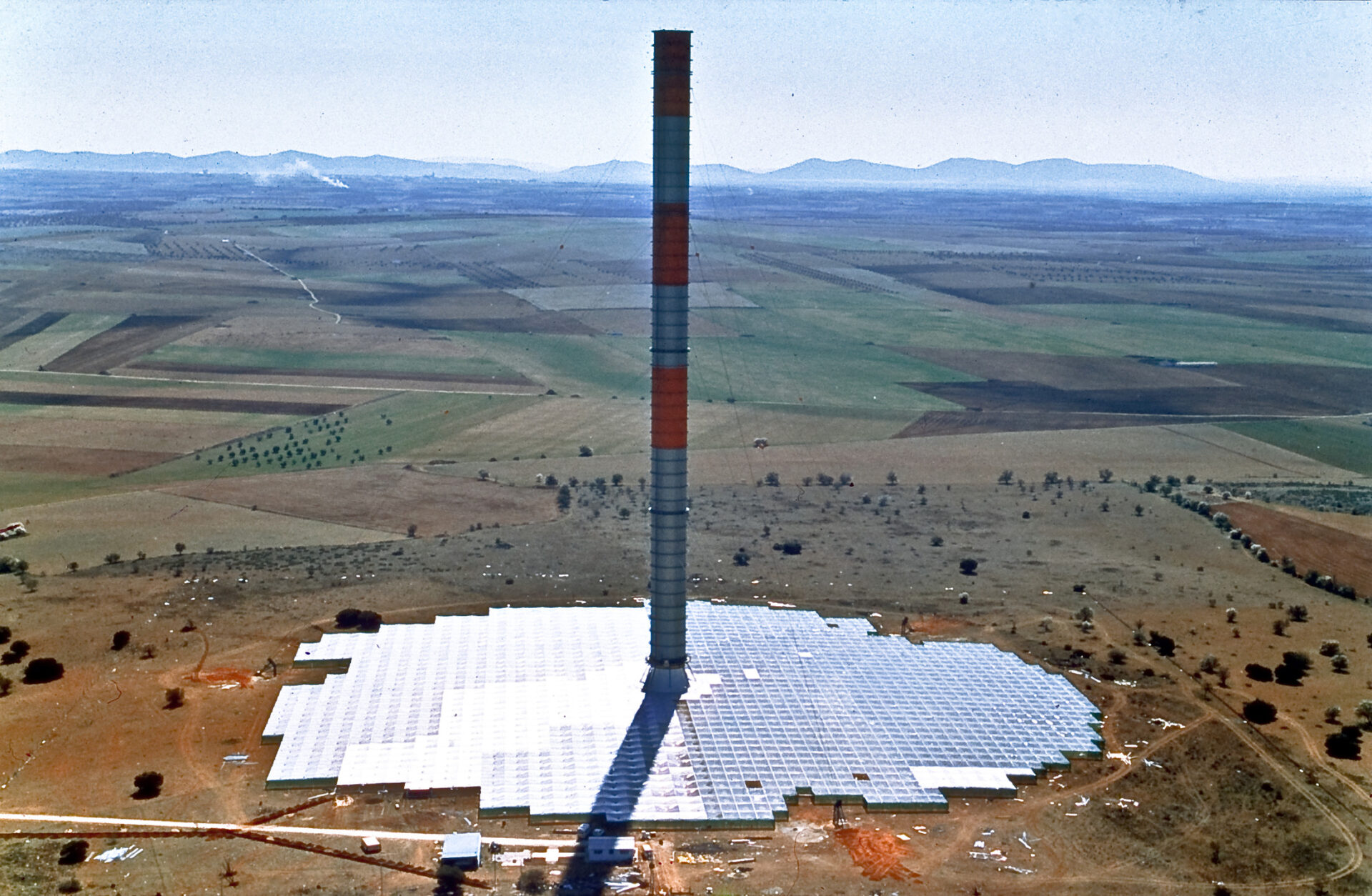
Solar Chimney in Spain Harnessed Sun to Generate Electricity for 7 Years Without Burning Fuel




By using molybdenum compounds, researchers have managed to improve the absorption of solar light. As a result, the new technology allows for capturing a broader range of the light spectrum, increasing the system’s efficiency.
Additionally, the material exhibits properties that reduce energy losses during the conversion process, contributing to higher performance.
Solar energy can generate more with less area
One of the most relevant impacts of this innovation is the possibility of generating more energy using the same installation area. In other words, solar systems will be able to produce more electricity without the need to expand the occupied space.
This represents an important advantage, especially in urban environments or regions with space limitations. At the same time, the technology can reduce infrastructure costs, making solar energy even more accessible.
Consequently, consumers and businesses can benefit from greater energy production with lower additional investment.
How the new molybdenum solar panels work
According to a study published by the American Chemical Society (JACS), the new technology uses molybdenum complexes to enable a process known as singlet fission. This physical phenomenon allows light energy to be utilized more efficiently compared to traditional silicon solar cells, which typically lose a significant portion of that energy as heat.
In this case, the technique aims to capture the excess energy that would be dissipated into the environment. By optimizing the so-called “spin-flip,” researchers have managed to generate two units of electric charge from a single photon of light.
As a result, this advancement represents a significant leap in the development of synthetic materials capable of combining stability with high energy efficiency. At the same time, it reinforces the potential of solar energy to surpass traditional conversion limits.
Cost reduction and impact on the energy bill
With the increase in efficiency, the trend is that solar energy becomes even more competitive compared to traditional sources. This happens because, by generating more energy per panel, the return on investment becomes faster.
Furthermore, higher efficiency can lead to a direct reduction in the electricity bill. By producing more electricity from the same installation, the consumer becomes less dependent on the conventional grid.
In this way, the technology not only improves the performance of solar systems but also expands their economic impact.

Advancement reinforces the role of solar energy in the energy future
The development of this new technology reinforces the strategic role of solar energy in the global energy transition. In recent years, the source has already been showing accelerated growth, driven by technological advances and cost reductions.
Now, with the possibility of further increasing efficiency, solar energy consolidates itself as one of the main alternatives to meet the growing demand for electricity.
Additionally, more efficient solutions contribute to the reduction of carbon emissions, aligning with global sustainability goals.


Challenges for large-scale application
Despite the promising potential, experts highlight that there are still challenges for the implementation of the technology on a commercial scale. Among them are the economic viability of mass production and the adaptation of industrial processes.
However, considering the pace of innovation in the sector, the expectation is that advancements like this will gradually be incorporated into the market in the coming years.
A new chapter for solar energy
The discovery by Japanese scientists paves the way for a new phase in the development of solar energy. By overcoming technical limitations and increasing the efficiency of systems, the technology can transform the way energy is generated and consumed.
Thus, the sector is moving towards a scenario where solar energy not only grows but also becomes increasingly efficient, accessible, and essential for the global energy future.