Portuguese
  Spanish


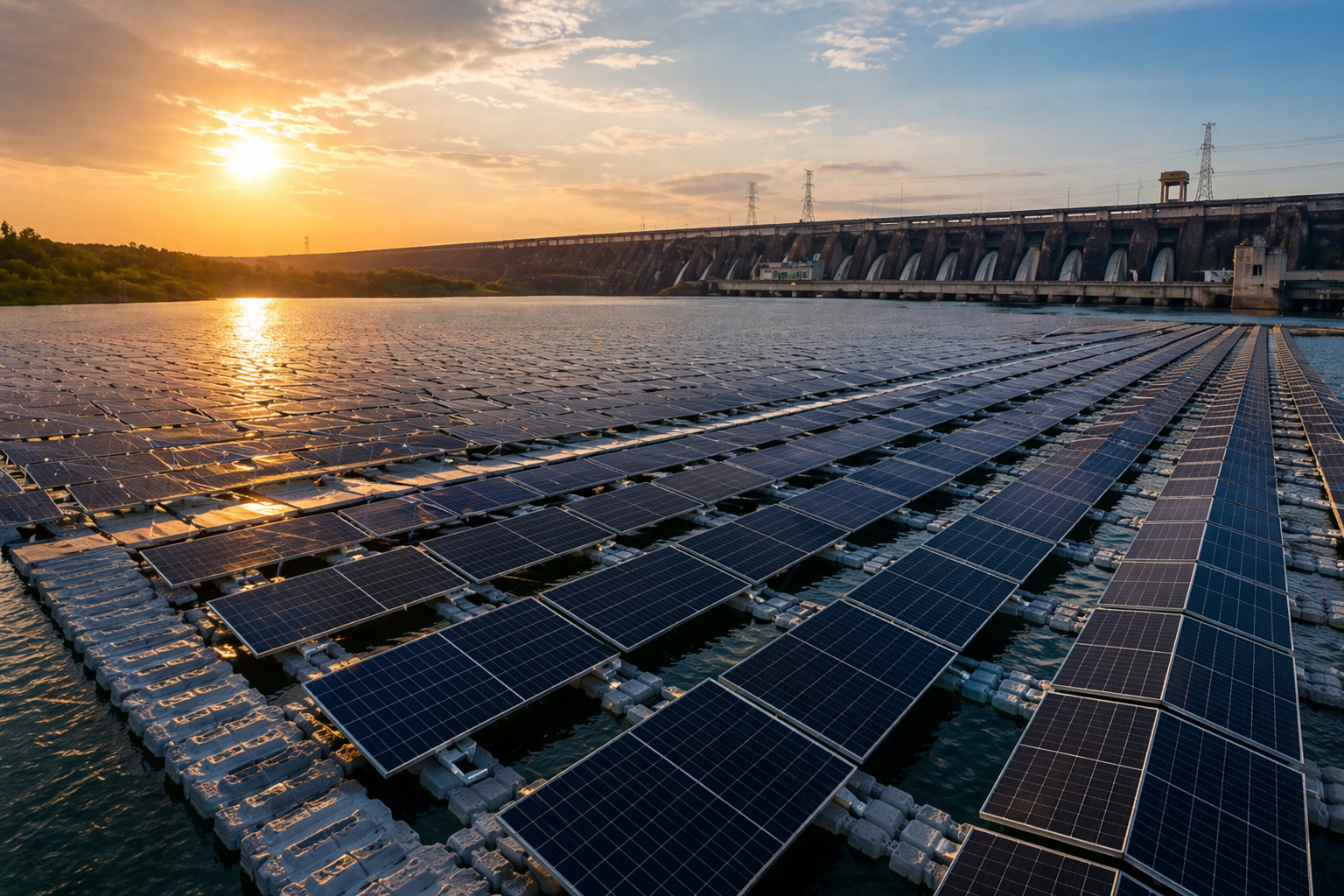

The installation of solar energy at the Itaipu dam emerges as one of the most promising initiatives to expand clean energy generation in Brazil. Studies indicate that the area’s potential is so significant that it could even double the current capacity of the dam, one of the largest hydroelectric plants in the world.
This advancement, in turn, reinforces the strategy of diversifying the Brazilian energy matrix while taking advantage of existing infrastructure.
Itaipu Reservoir Offers Huge Potential for Solar Energy
The reservoir of the Itaipu dam, located on the border between Brazil and Paraguay, has impressive dimensions. In total, it covers about 1,300 square kilometers, with approximately 170 km in length and an average width of 7 km between the banks.
-
Island in Brazil Innovates by Installing 184 Solar Panels on Urban Lagoon to Generate Clean Energy

-
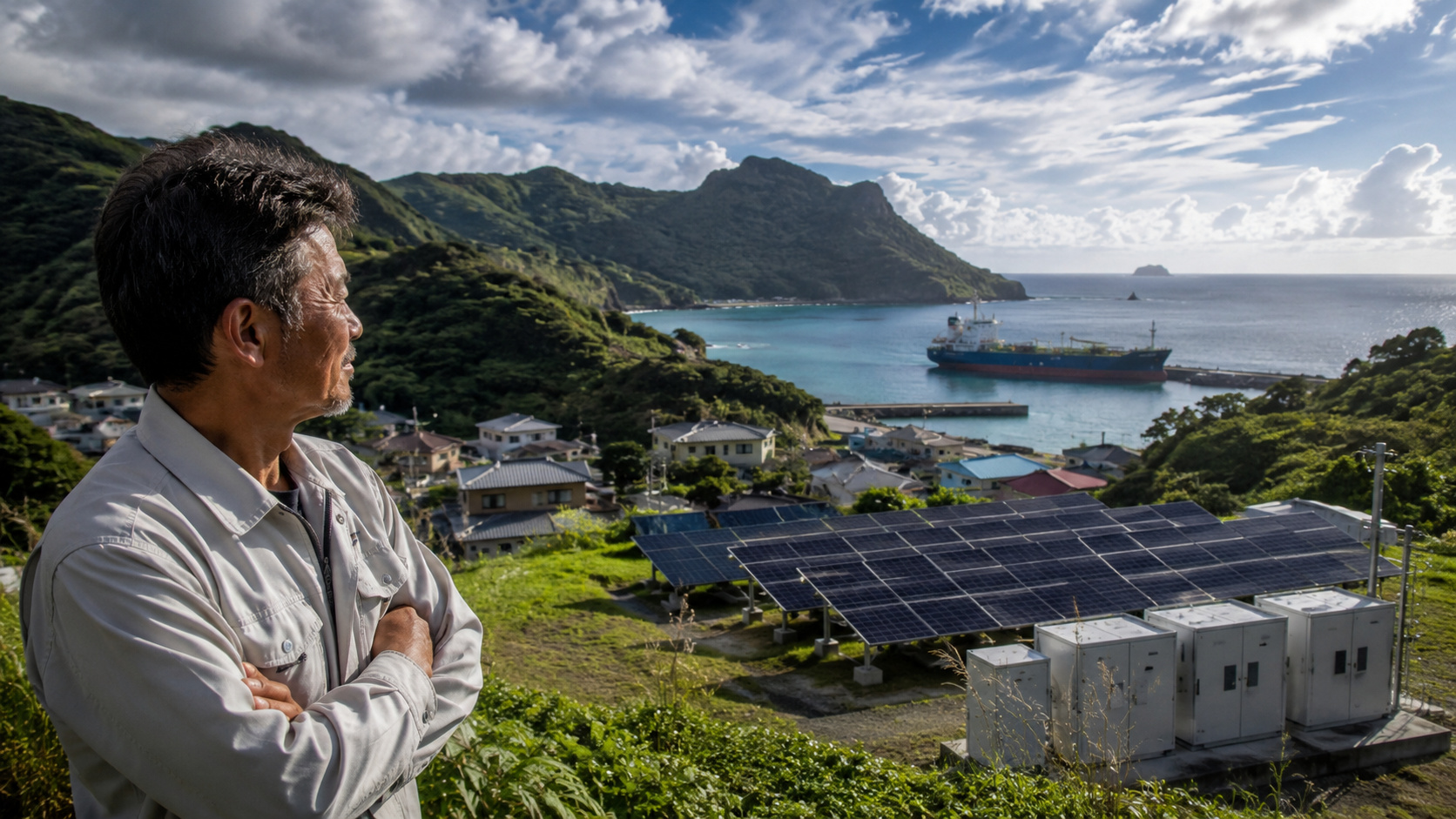
Japanese Island of 417 Residents to Test Living Half the Year Solely on Solar Power, Reducing Dependence on Diesel Brought by Ship
-
Brazilian Fishermen Use Solar Power to Produce Nearly One Ton of Ice Daily, Preventing Fish Spoilage Before Reaching Market
-
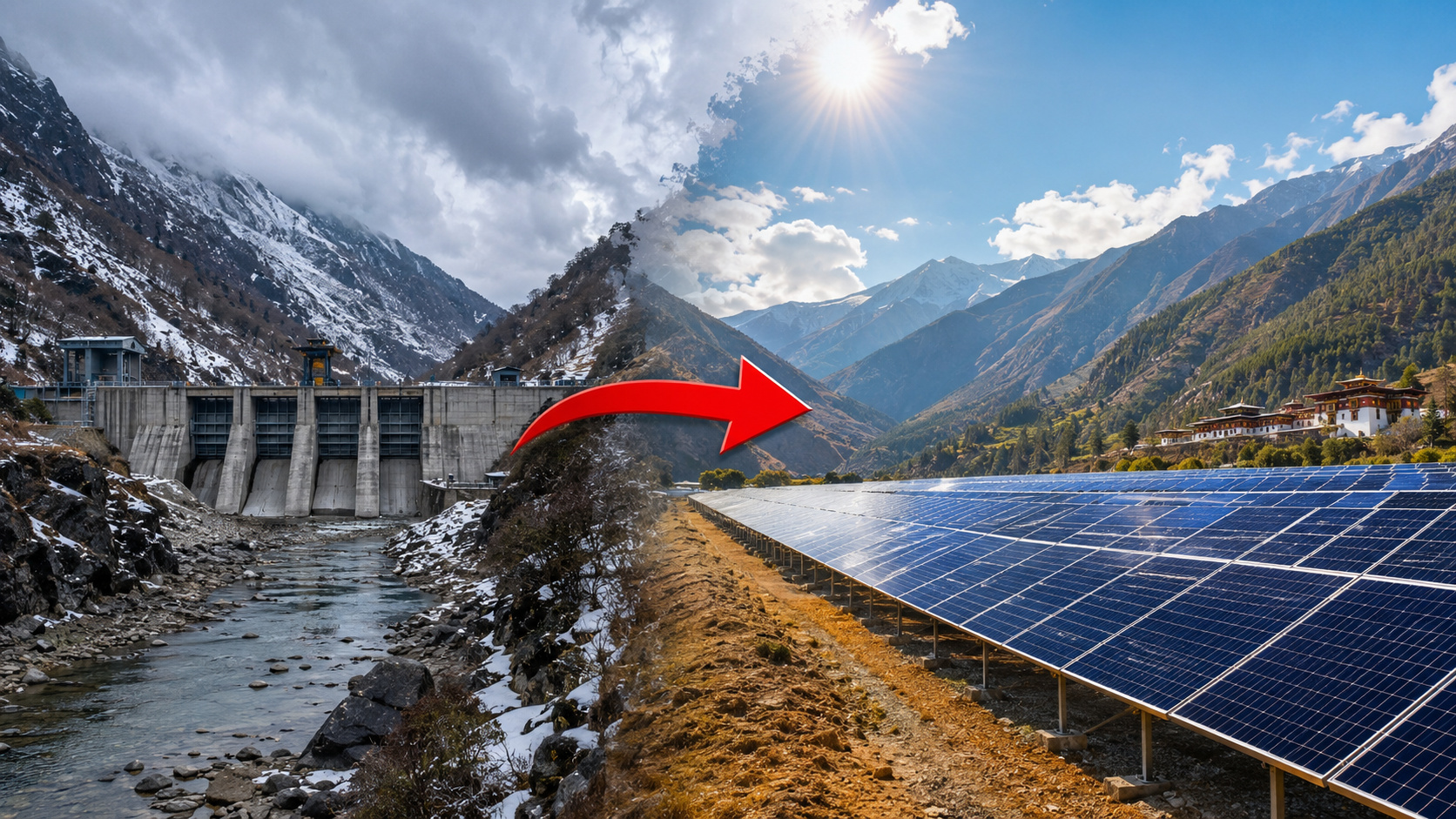
Brazil, known for its river-powered energy, installs solar plant in mountains to boost winter electricity production


Given this scale, the location presents itself as an ideal space for the installation of floating solar energy systems. This is because large areas of water allow for the deployment of panels without the need for deforestation or additional land use.
Moreover, the proximity to existing infrastructure facilitates connection to the electrical system, reducing costs and speeding up implementation.

Floating Solar Energy Can Complement Hydroelectric Generation
The proposal to install solar panels over the reservoir brings additional benefits to the energy system.
First of all, solar energy tends to produce more during periods of higher light incidence, which often coincide with times of lower hydroelectric generation.
Additionally:
- it reduces water evaporation from the reservoir
- it improves panel efficiency due to lower temperatures
- it utilizes areas already used for energy generation
Thus, a complementary, more efficient, and resilient system is created.
Project Can Double Generation Capacity
The solar generation potential at Itaipu is considered significant. In more advanced scenarios, the combination of hydroelectric and solar energy could significantly increase the total capacity of the dam.
In practice, this means that energy production could be expanded without the need for new dams or large environmental interventions.
This hybrid model has already been tested in other countries and is gaining traction as a strategic solution to expand the supply of clean energy.
Brazil advances in the diversification of the energy matrix
The project in Itaipu is part of a broader movement to expand renewable sources in Brazil.
In recent years, the country has increased its participation in solar and wind energy, gradually reducing exclusive dependence on hydroelectric plants.
In this context, the integration of different sources becomes essential to ensure energy security and stability in supply.
Challenges still need to be overcome
Despite the great potential, the implementation of large-scale solar energy in the Itaipu reservoir still faces some challenges. Among them:
- need for high investments
- regulatory and environmental issues
- adaptation of existing infrastructure
- definition of operation and management models
Still, technological advancement and the growing interest in clean energy tend to accelerate the project’s viability in the coming years.


What to expect from the next steps
The development of solar energy in Itaipu will depend on technical studies, political decisions, and strategic partnerships between Brazil and Paraguay.
Furthermore, the advancement of the project can serve as a reference for other hydroelectric plants in the country, further expanding the use of hybrid systems.
In this way, Itaipu can become a symbol not only of hydroelectric generation but also of innovation in renewable energy production.
What is at stake
More than increasing generation capacity, the project represents an important change in how Brazil utilizes its natural resources.
By integrating solar energy into the existing structure, the country moves towards a more sustainable, efficient model aligned with global demands for clean energy.
Thus, the potential of the Itaipu reservoir is not limited to water — it can become one of the largest renewable generation hubs in the world.