Portuguese
  Spanish


The Valuation of Companies with Renewable Energy Matrix Grows in Brazil and Worldwide, Driven by Technological Advances and a New Strategic Profile in the Sector.
Energy companies that invest in renewable sources have seen, in the last four years, a valuation 25% higher than those that maintain an energy matrix based on fossil fuels.
This is the main highlight of the global study Industry Insights Energy & Utilities, developed by Strategy&, the strategic consulting arm of PwC, which evaluated more than 3,000 companies in the energy, sanitation, distribution, oil, and gas sectors, including Brazilian companies.
In Brazil, the average valuation of companies in the energy sector was 20% over the same period.
-
Brazilian scientists are simultaneously advancing two research projects on clean hydrogen and driving solutions that could transform the energy matrix, enhance industrial competitiveness, and accelerate large-scale emission reduction targets.

-
Advancement in renewable energy: A R$ 150 million project launched by Petrobras and Finep aims to create state-of-the-art electrolyzers for green hydrogen, strengthening national research and preparing Brazil to compete in a billion-dollar energy market.
-
Illiterate or semi-literate grandmothers were trained to repair solar systems, open rural workshops, and light up homes that still depended on kerosene.
-
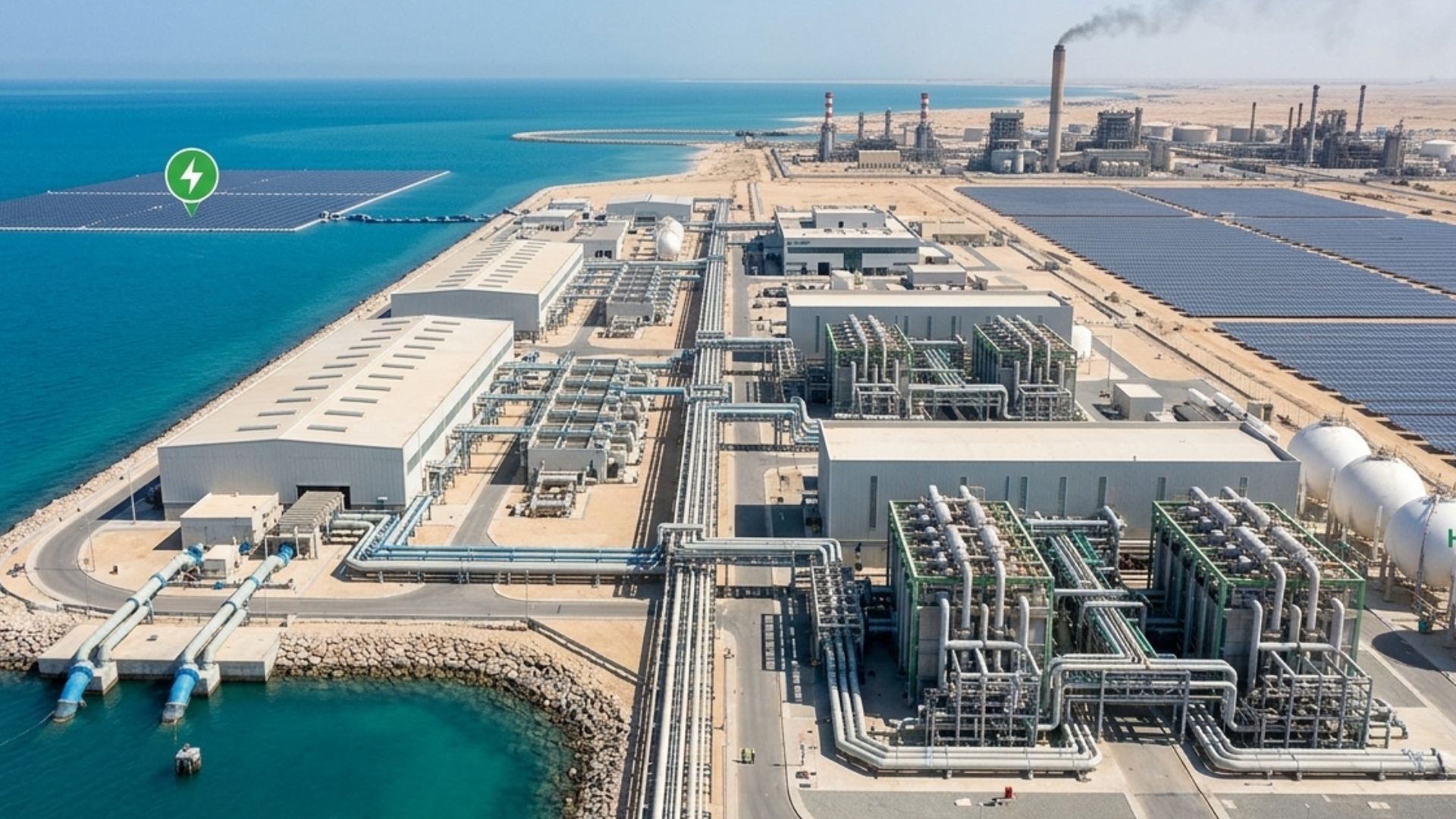
The world has bet on green hydrogen as the fuel of the future, but now faces the side effect: producing 1 kilogram requires about 9 liters of ultrapure water, and the largest projects on the planet are precisely in the driest regions of the Earth, where water is already scarce for people.




The research covers the period from 2018 to 2022 and shows that the energy transition, focusing on clean sources, is consolidating as a strategic growth factor.
The Electric Sector Dominates the National Scenario
In Brazil, the electric sector played a prominent role, representing 72% of the analyzed companies, a number considerably higher than the global average, which is 43%.
This data reinforces the importance of the sector in the national energy transformation process, as well as highlighting the faster pace of the adoption of sustainable practices by Brazilian companies.
Adriano Correia, partner and leader of the Energy and Public Utilities Services area at PwC Brazil, explains that the scenario is favorable for sustainable growth.
“The perception of risk regarding the viability of renewable sources is now a thing of the past. Today, they are growing in efficiency, generating returns, and continue to expand their installed capacity in the country. There is no turning back on this issue,” says the executive.
Companies with Clean Sources Stand Out in Performance
Companies that have adopted renewable energy sources showed better performance across multiple financial indicators, such as average returns, stability in results, and market pricing.
Additionally, these companies benefit from a regulatory and investment landscape that favors the diversification of the energy matrix, especially in light of instabilities in the fossil fuel sector.
Correia emphasizes that technological maturity has also influenced this movement.
“Today, renewable sources are seen as strategic assets. The valuation of these companies is positive not only for their portfolios but also for the planet,” he concludes.
Technological Advances Drive Renewables
The evolution of technologies such as batteries, biofuels, and smart storage systems has made the energy transition more accessible and secure.
These advances come alongside stricter regulations on carbon and emissions, as well as global concerns about energy security, especially in light of recent geopolitical crises.
The international instability, combined with the volatility of fossil fuel prices, has accelerated the adoption of sustainable solutions.
This movement reinforces the importance of public policies and private investments focused on innovation and sustainability in the energy sector.
Agile Strategies Favor Smaller Companies
The study also indicates that smaller or more specialized companies, with agile and dynamic strategies, tend to achieve better results in market valuation and growth.
These companies stand out for their ability to adapt to changes in the regulatory and technological environment, as well as responding more quickly to demands for energy efficiency.
On the other hand, larger integrated companies show greater solidity and consistency in results, even in the face of adversities.
This balance between agility and robustness is essential to tackle scenarios such as pandemics, economic crises, and geopolitical conflicts.
Integrated Portfolios Increase Resilience
Although renewables lead in valuation, fossil assets still show significant growth, mainly driven by concerns about energy security in an increasingly unstable world.
In this context, companies that operate with a diversified portfolio — including oil, gas, and clean sources — demonstrate greater business resilience.
“Having a complete and integrated portfolio is essential to weather crises with solidity,” notes Correia.
This combination allows companies to offset losses in one segment with gains in another, maintaining stability and competitiveness in critical moments.
Global Trend of Sustainable Growth
The analysis by Strategy& shows that the global energy and utilities sector has already surpassed pre-pandemic levels in revenue and market value.
This growth is occurring steadily and, according to the study, is above the inflation rate in several regions, including Brazil.
Even with challenges such as currency depreciation, Brazilian companies have kept pace with this movement in local currency, maintaining the rhythm of valuation and expansion.
The study also highlights that the ESG (environmental, social, and governance) agenda has consolidated as one of the main vectors of investment and strategic positioning in the energy sector.
The Future Passes Through Clean Energy
The energy transition is not just a trend, but a consolidated reality in the global sector.
With significant financial returns, reputation gains, and greater stability in the face of crises, renewable sources are no longer a gamble and have become a certainty in the long-term planning of energy companies.
PwC’s research reinforces that in the current scenario, investing in clean energy is synonymous with value, innovation, and commitment to the planet’s future.