Portuguese
  Spanish


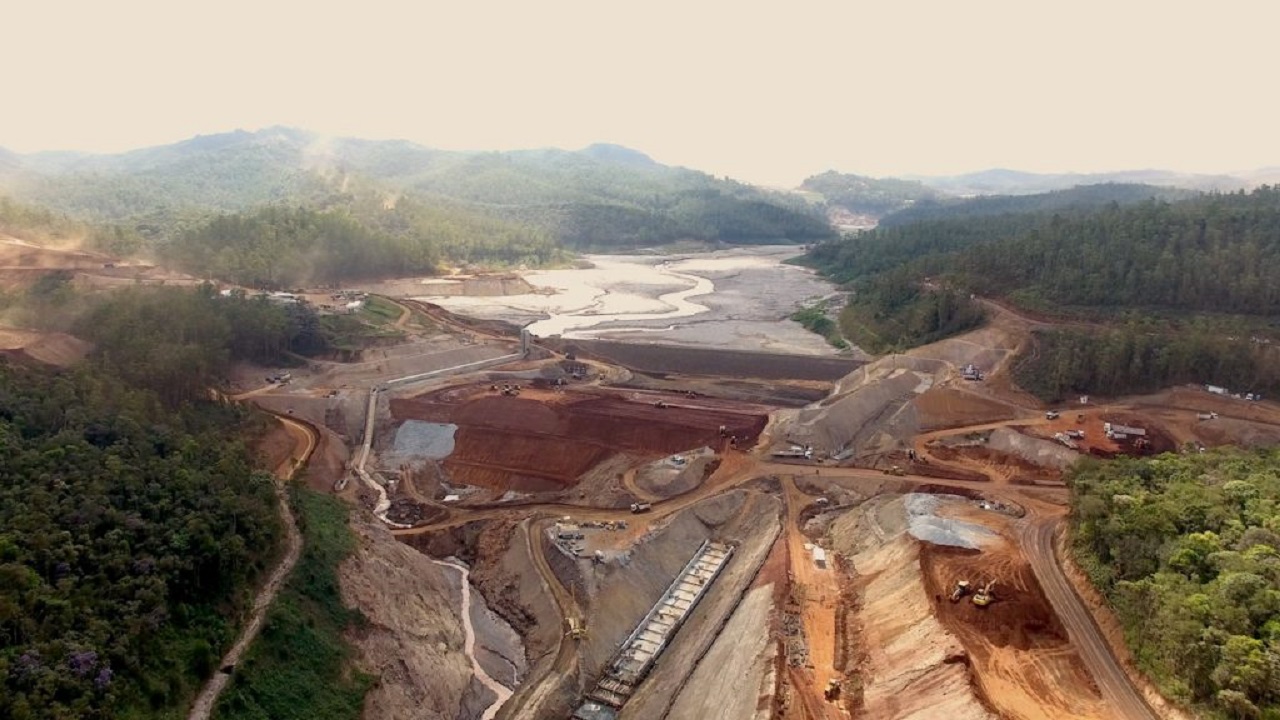

The Objective Is To Reduce Or Even Avoid Accidents Similar To Those Involving The Mining Giants Vale And Samarco In The Past
The National Mining Agency (ANM) announced that it would hold a public hearing on the new guidelines to strengthen the rules for safety and inspection of mining dams, mainly in the way companies manage tailings.
According to the agency, the suggestions obtained during the process, which is expected to last 45 days, will be used to outline the new standards.
Scrutiny around the safety of tailings dams has dramatically increased in the past two years, following the collapse of the dam at Brumadinho, Vale (NYSE: VALE) , which killed 270 people. It also triggered a global investigation into the status of 726 tailings dams.
-
The man who started in construction with his own house founded a company in 1957, went through a banking crisis in 1987, and ended up connected to 16,500 houses in Houston.

-
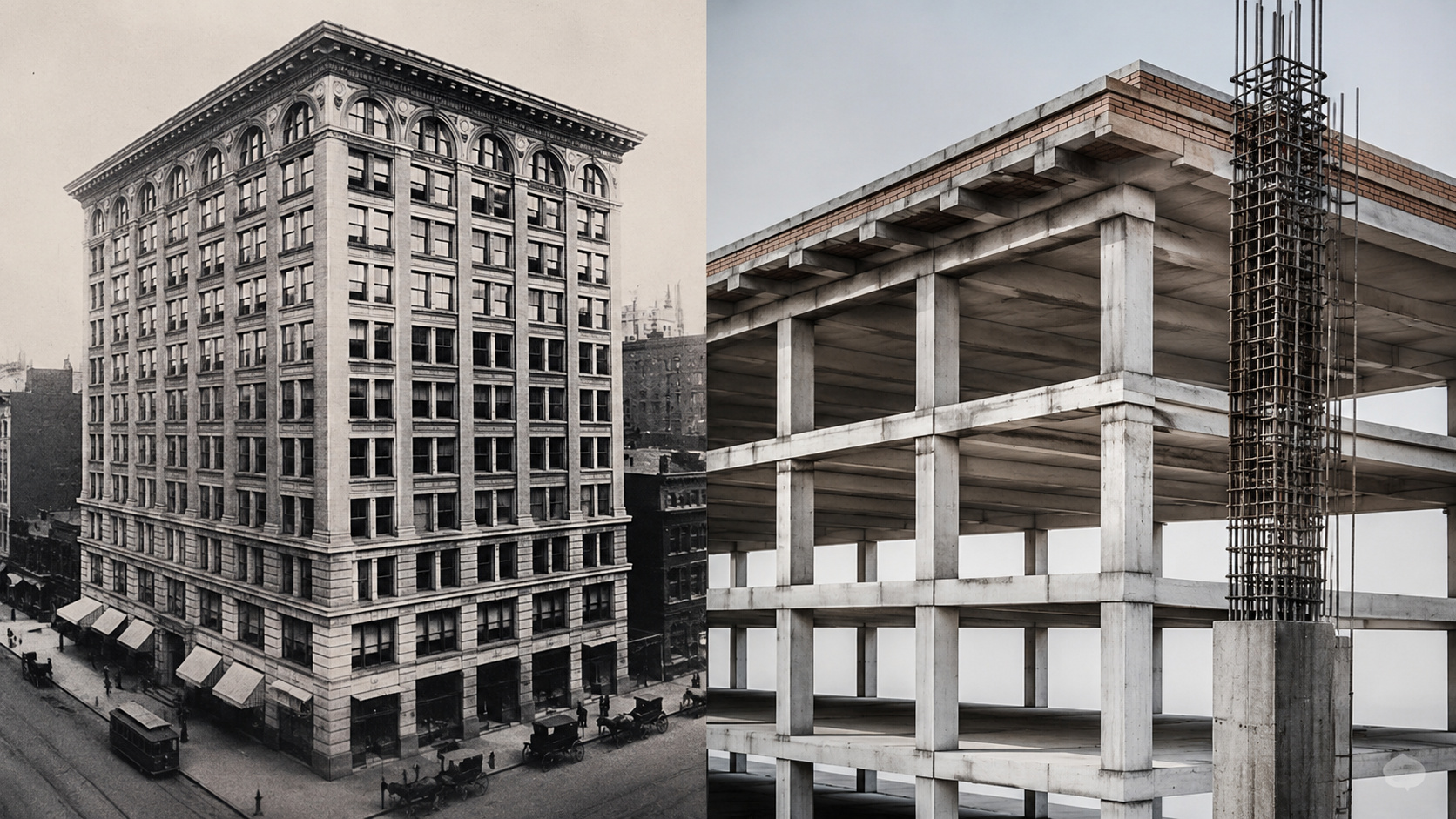
Builders challenged experts, erected a 16-story building using only reinforced concrete when the known limit was six floors, and proved that skyscrapers would never be the same again.
-
Up to 60 concrete mixer trucks pour 380 m³ of concrete onto the “big slab” of Niemeyer’s first work in Amazonas, in a decisive stage of the construction of the monumental oca that will mark the Parque Encontro das Águas in Manaus.

-
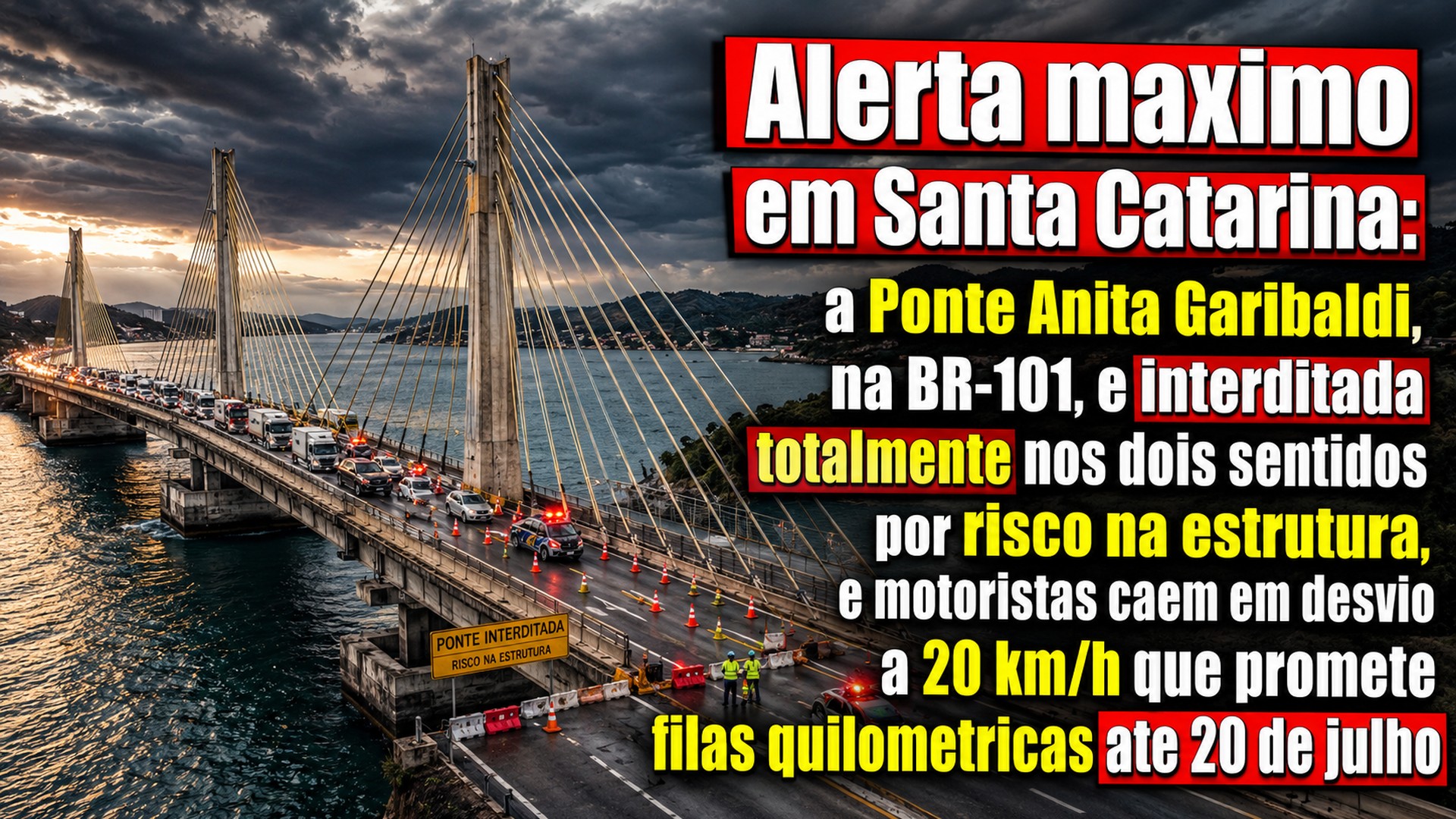
Alert in Santa Catarina: the Anita Garibaldi Bridge on BR-101 is completely closed in both directions due to “structural risk,” and drivers are diverted to a 20 km/h detour that promises kilometer-long queues until July 20.



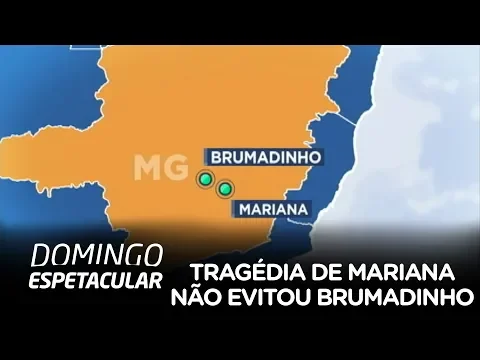
A similar accident in 2015 affected an iron ore mine operated by Samarco, a joint venture between BHP and Vale. The rupture of the Fundão dam became the worst environmental disaster in Brazil’s history.
Upstream dams were banned in February 2019 and companies were given deadlines to deactivate dozens of similar structures in the country. Initially, the ANM set 2021 as the deadline for companies to dismantle the dams.
In August 2019, the regulatory agency extended the deadline by nearly six years, to 2022, 2025, and 2027, depending on the size of the structure.
Vale, the world’s largest iron ore producer, is still facing legal action over the deadly accident, including allegations that the miner was aware of the unstable condition of the dam years before the accident occurred.
Global Efforts In The Mining Industry
After the accident, the International Council on Mining and Metals (ICMM), an industry group based in London that represents 27 large mining companies, formed an independent panel of experts to develop global standards for tailings facilities.



The Church of England, which invests in mining companies through its pensions for retired clergy, along with its partners, launched a global inquiry in April 2019 into the waste storage systems of over 700 resource companies.
It now calls on companies to regularly disclose data about tailings dams.
The Responsible Mining Foundation (RMF), based in Switzerland, published a study in early April of this year showing that investor-led action resulted in greater transparency regarding the status of these facilities.
However, the vast majority of mining companies still need to demonstrate that they are reviewing how they effectively manage risks related to tailings.