






 Portuguese
  Spanish
  2 min of reading
  1 comment


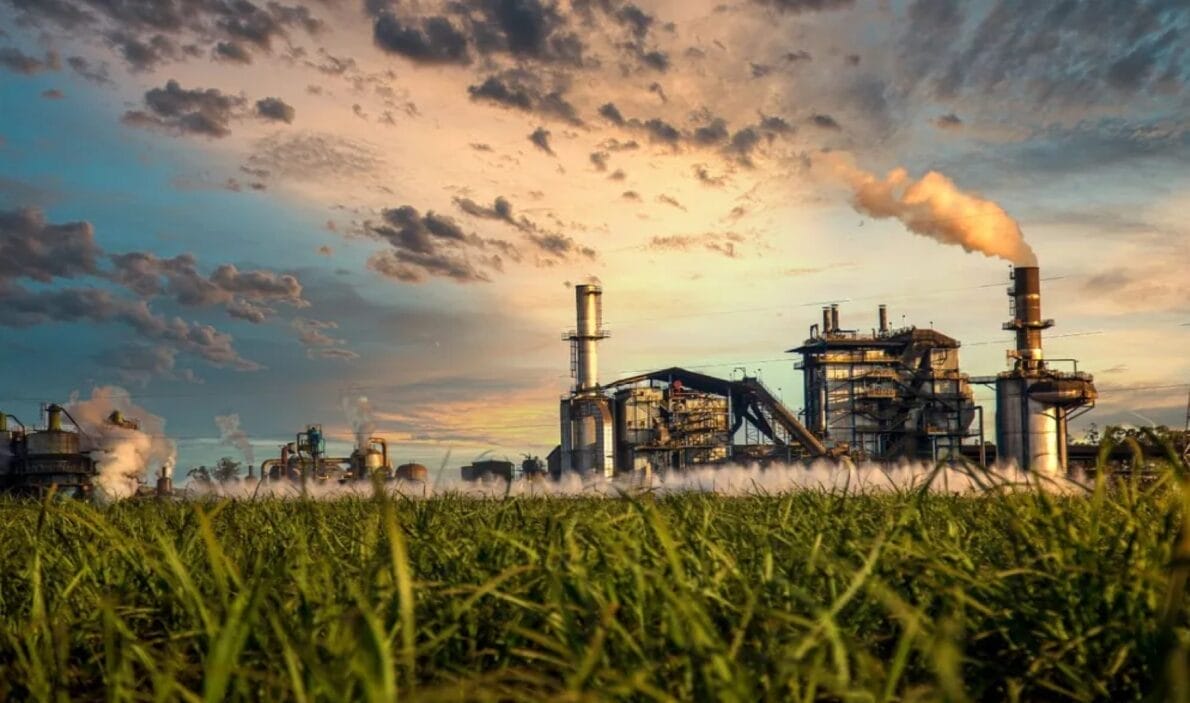

Sugarcane Juice Drives Sustainable Electricity Generation and May Become a Great Ally for Sustainability
Researchers from the Institute of Energy and Nuclear Research (Ipen), linked to USP, have discovered an innovative technique: the use of sugarcane juice to generate electricity in fuel cells. This method not only avoids the formation of harmful waste, such as vinasse, but can also be scaled up to industrial levels, according to the engineering website Engenharia Hoje.

Operation of Fuel Cells
Almir Oliveira Neto, coordinator of the research on sugarcane, explains that the fuel cell operates like a battery, using fuel to generate electricity. The cell has two electrodes: the anode (oxidation of the fuel) and the cathode (reduction of oxygen). A membrane between the electrodes acts as an electrolyte, conducting electricity.
In the developed device, the oxidation of sugarcane juice occurs at the anode and the reduction of oxygen at the cathode. The absence of hazardous waste, such as vinasse, makes the process environmentally friendly. The electricity generated can be directed towards the production of higher value-added products, such as gluconic, saccharic, lactic, levulinic, and furfural acids, with applications in the food, cosmetics, pharmaceutical, and polymer industries.
-
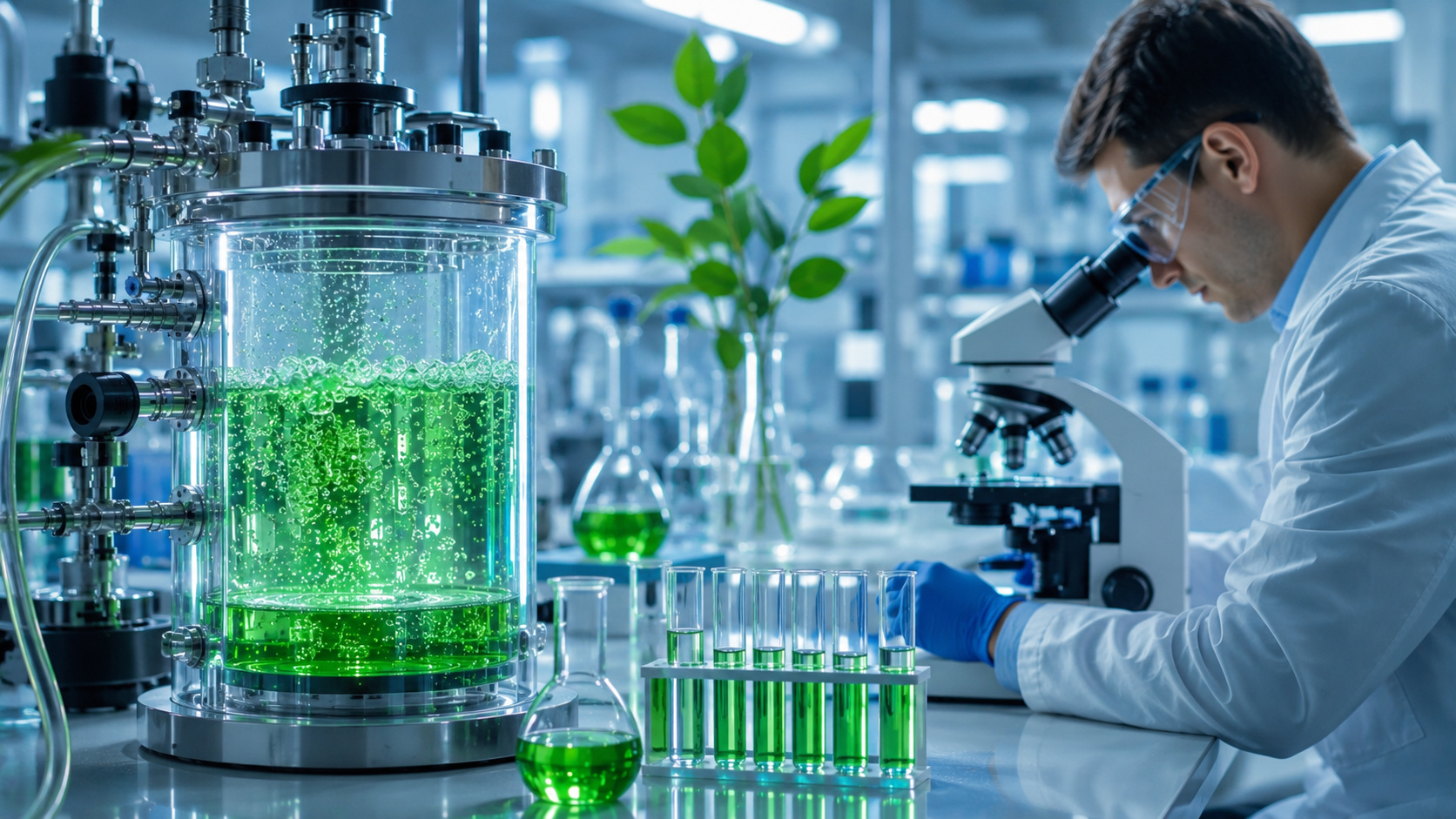
Brazilian scientists are simultaneously advancing two research projects on clean hydrogen and driving solutions that could transform the energy matrix, enhance industrial competitiveness, and accelerate large-scale emission reduction targets.

-
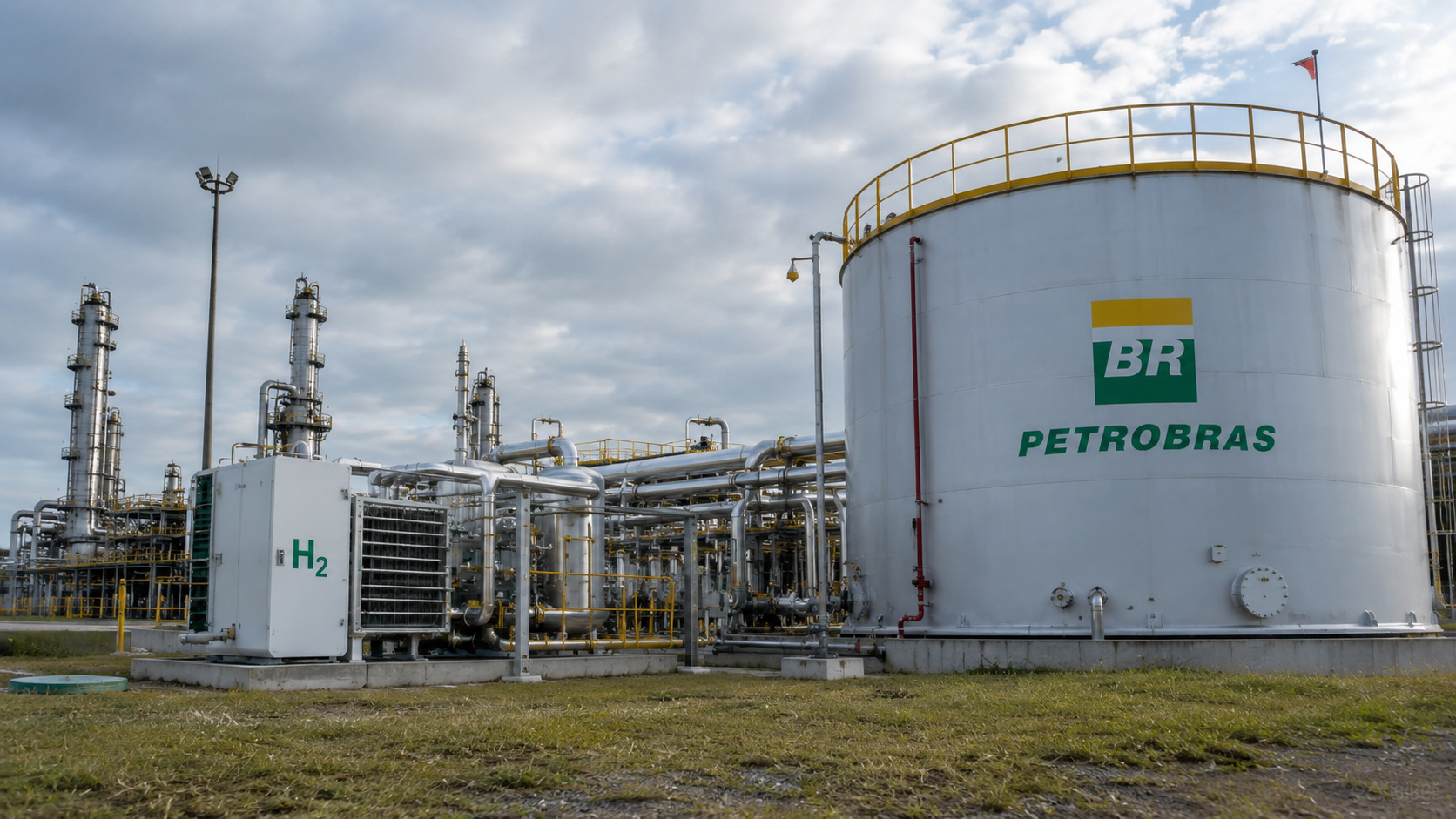
Advancement in renewable energy: A R$ 150 million project launched by Petrobras and Finep aims to create state-of-the-art electrolyzers for green hydrogen, strengthening national research and preparing Brazil to compete in a billion-dollar energy market.
-
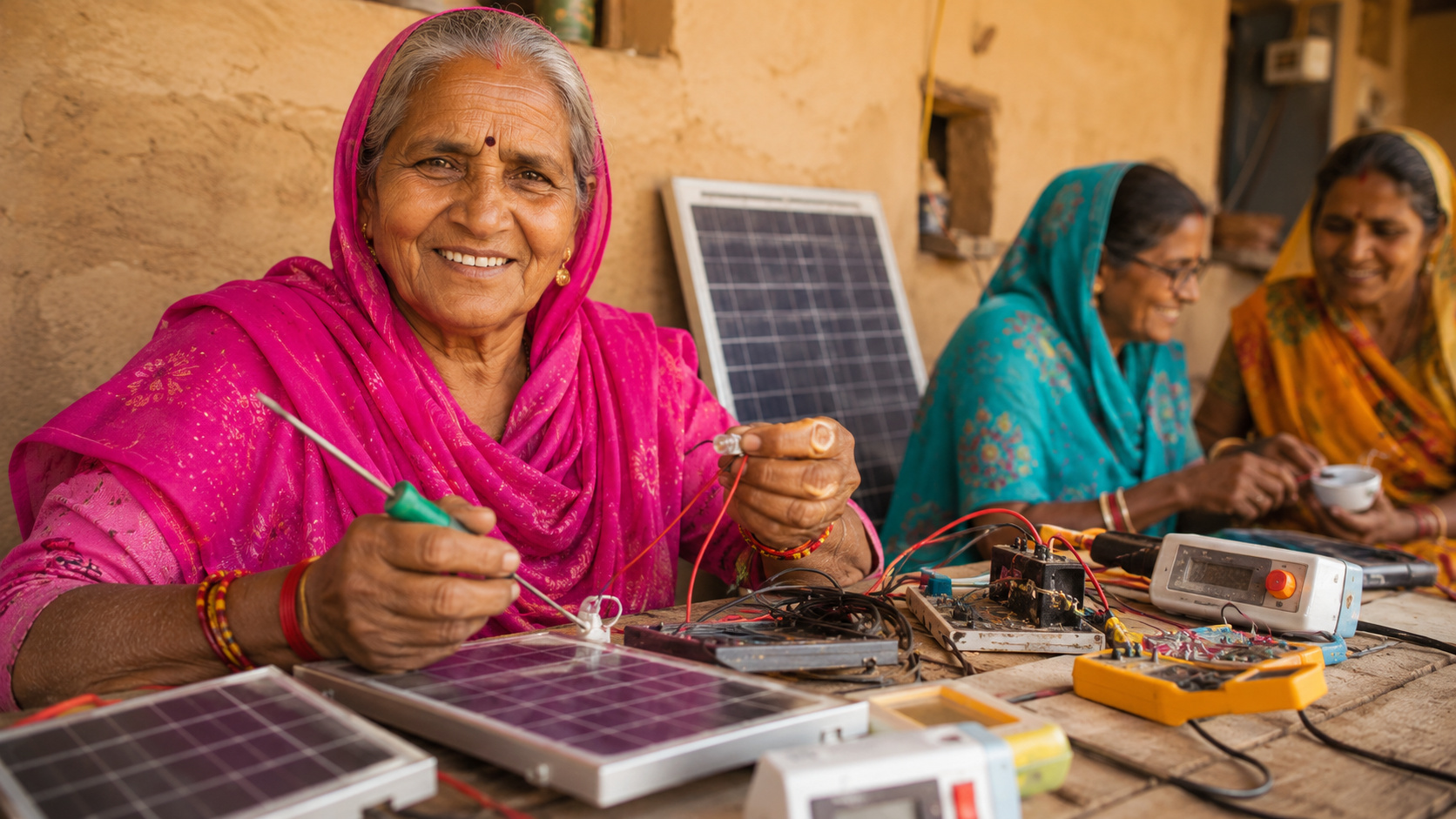
Illiterate or semi-literate grandmothers were trained to repair solar systems, open rural workshops, and light up homes that still depended on kerosene.
-
The world has bet on green hydrogen as the fuel of the future, but now faces the side effect: producing 1 kilogram requires about 9 liters of ultrapure water, and the largest projects on the planet are precisely in the driest regions of the Earth, where water is already scarce for people.

Learn More Details About Electricity Production from Sugarcane

Scalability of the Technology
The prototype showed that it is possible to scale up in the laboratory. To work with larger quantities of sugarcane juice and obtain more electricity, it will be necessary to increase the area of the electrodes and develop the technology for a larger scale. Public and private resources will be essential to realize the use of the device on an industrial scale.
The study involved researchers Bruno Villardi, Júlio Nadenha, Victória Maia, Priscila Zambiazi, and Rodrigo Souza, all from Ipen and the Nuclear Technology and Materials Program at USP. The supervision was by Almir Oliveira Neto, with co-guidance from Rodrigo Souza. The results were published in the Virtual Journal of Chemistry and SugarTech, demonstrating the electrocatalytic performance of different metal compositions for the generation of energy from sugarcane juice.




Parabéns à equipe do Almir e Rodrigo