






 Portuguese
  Spanish
  5 min of reading
  0 comments


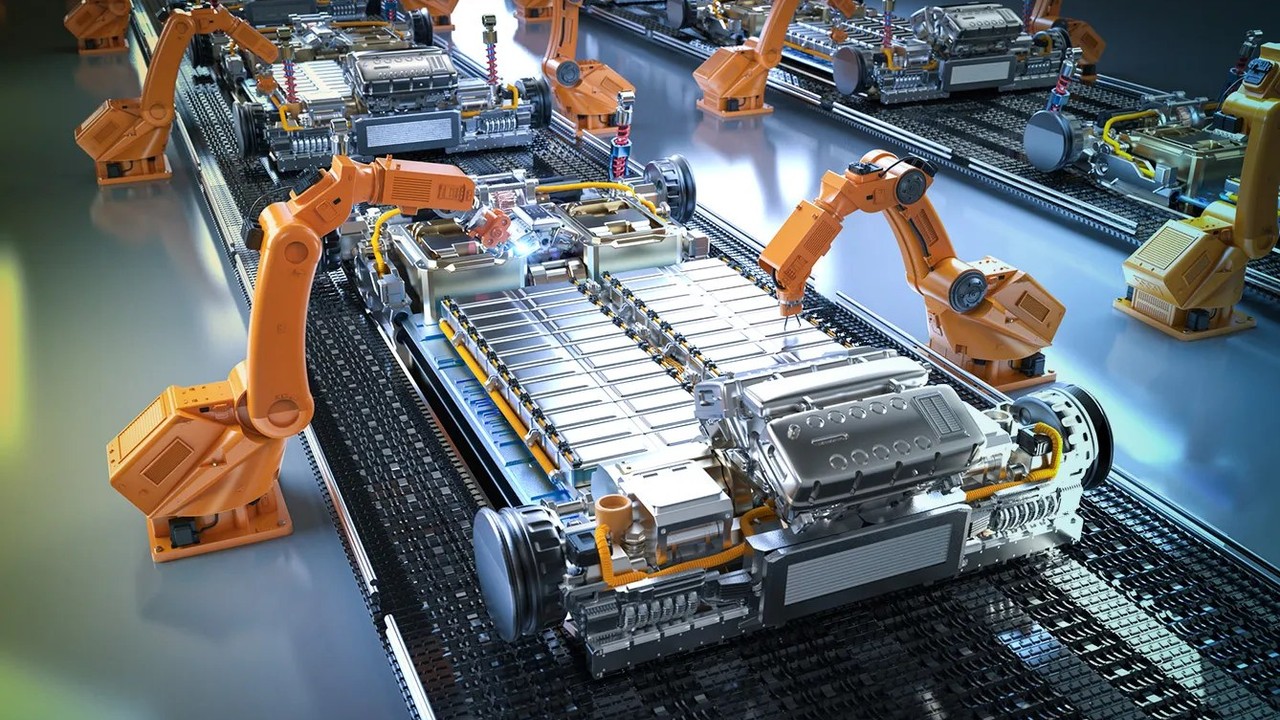
Inside a gigantic green complex in western India, Reliance has activated a battery factory capable of producing 40 gigawatt-hours per year, a centerpiece in the country’s bet to build the entire clean energy chain at home and compete in a market dominated by China.
The race for clean energy is not won only with wind and sun; it depends on something more discreet and fundamental, the batteries. Without a place to store the generated electricity, sources like solar and wind lose much of their value because the sun sets and the wind stops. That’s why the news that Reliance, one of India’s largest conglomerates, has activated a battery gigafactory carries such weight.
The unit, in Jamnagar, western India, starts with an initial capacity of 40 gigawatt-hours per year, a number that places it among the industry’s giants. And it is not alone; it is part of a green complex that brings together, in the same place, factories of solar panels and equipment to produce hydrogen, in an integrated clean energy project on a colossal scale. It is India trying to assemble an entire chain under the same roof.
Why the battery is the missing piece
To understand the importance of this factory, it’s worth thinking about the problem it solves. Solar and wind energy are clean and increasingly cheaper, but they have an annoying flaw; they are intermittent. They generate when the sun shines and the wind blows, and not necessarily when we need them. The battery is what corrects this, storing the surplus for later use, turning an unstable source into a reliable one.
-
Brazilian student creates a cheap formula that makes plants grow up to 90% faster and wins an award in a global scientific competition.

-
Europe unveils armored tank with remote turret, 1,500 horsepower, and 120-millimeter cannon

-
Old hard drives may hide neodymium, dysprosium, praseodymium, and terbium, and a United States company is expanding its network with a new 93,000-square-foot facility to recover rare earths used in electric cars, artificial intelligence, defense, and renewable energy.

-
Giant crane lifts up to 3,000 tons, requires special logistics to reach the site, and can transform 18-hour operations into just 3 hours, speeding up the hoisting of oil platforms, refineries, and plants in giant industrial projects.




I confess that I see batteries as the silent heroes of the energy transition. They don’t have the glamour of giant turbines or shiny panels, but without them, everything else is crippled. Mastering large-scale battery production is, in practice, mastering the key that unlocks the future of clean energy, and it’s exactly this key that India wants to have in its own hands.

The strategy of doing everything in the same place
What makes Reliance‘s project especially ambitious is the idea of integration. Instead of just setting up an isolated factory, the company built a complex where solar energy is produced, batteries are manufactured, and hydrogen is developed, all in the same hub. This logic of concentrating various stages of the clean chain in one place reduces costs, gains efficiency, and gives the country an independence that few have.
It’s a strategy that aims far. By mastering everything from generation to storage, India reduces the dependence on importing technology and components from abroad, especially from China, which today dominates much of this chain worldwide. Building everything at home is an expensive and complex bet, but it can yield strategic autonomy and millions of jobs for a country that is growing and consuming energy at an accelerated pace.
It’s worth understanding why integration makes such a difference in a project of this size. When panel, battery, and hydrogen factories are in the same complex, the clean energy generated there can power the production itself, components don’t need to cross the country, and technical knowledge is concentrated in a single hub that matures together. This type of industrial concentration is exactly what allowed other countries to leap ahead in strategic sectors, creating ecosystems where suppliers, engineers, and factories grow side by side. Reliance bets that repeating this recipe in Jamnagar will shorten the path that India needs to take to catch up with those who started ahead, transforming a land once linked to oil into a symbol of the shift to clean energy.

The global race for the battery throne
Behind this factory, there is a huge geopolitical dispute. Batteries have become a resource as strategic as oil was in the last century, and countries are racing to ensure they won’t depend on rivals to have them. China started ahead and currently dominates a large part of the world’s production, giving it a bargaining power that others do not want to accept passively. India enters this dispute wanting a seat at the table.
For the world, this competition is even healthy because such an important technology should not be in the hands of just one country. With more nations producing batteries at scale, innovation accelerates, prices drop, and the transition to clean energy becomes safer and less dependent on a single supplier. The Indian gigafactory is another piece on this board that defines who will lead the energy of the future.

India aiming for the future of energy
I imagine the size of the bet a country makes when it decides to build, from scratch and at home, an entire clean energy chain. India has a gigantic population, growing electricity demand, and the urgency to grow without repeating the polluting mistakes of those who came before. Setting up gigafactories like Reliance‘s is the way the country found to try to reconcile development and sustainability on the scale that its size demands.
If successful, India will not only supply its own energy transition but could become an exporter of clean technology, challenging China’s dominance. It is a bold plan full of obstacles, but it shows a country determined not to be left out of the greatest industrial race of our time, to build the future of energy before the future arrives without it.
Did you imagine that batteries would become as strategic a resource as oil once was?




Be the first to react!