Portuguese
  Spanish


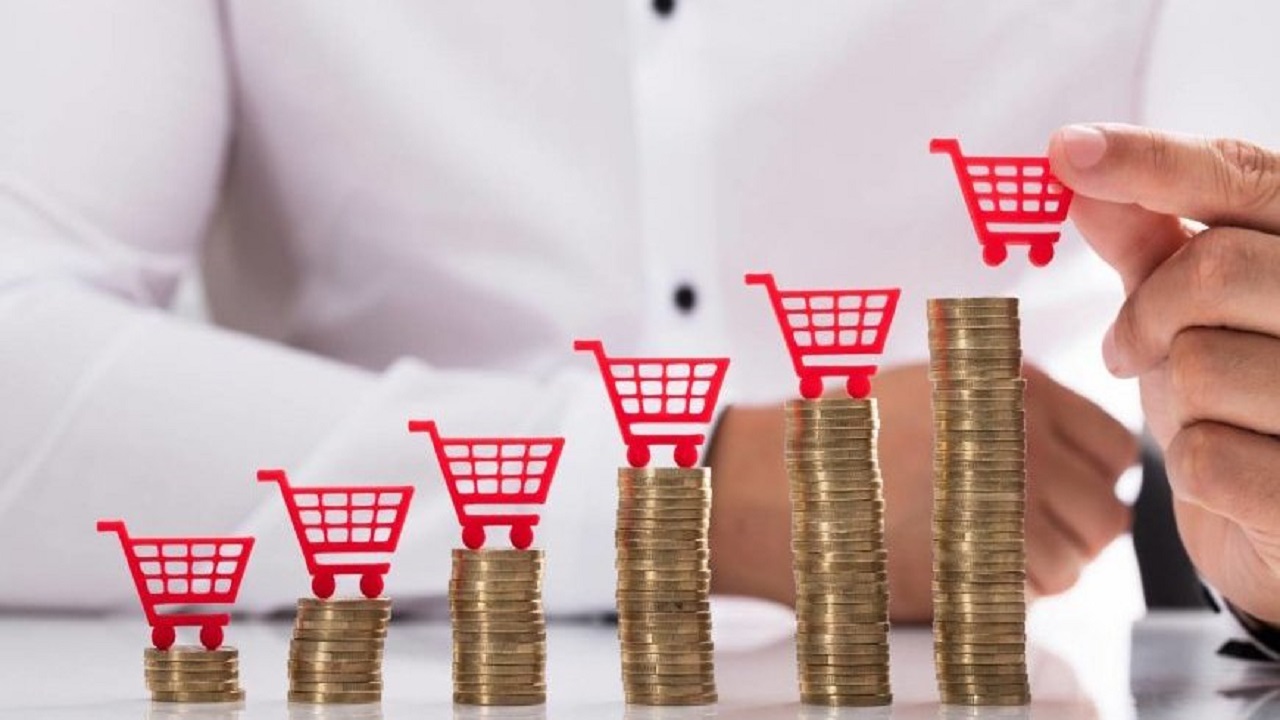

The Most Used Products by Brazilian Consumers, Such as Electricity, Fuels and Meat Reached the Highest Peak in History. To Mitigate the Situation, Governments from Several States Are Seeking to Reduce ICMS on a Series of Products
Fuel, electricity, and meat, in addition to the gas cylinder, are among the items that have most impacted Brazilian consumers. Besides these factors, there is the official inflation rate of the country, which reached 9.68% in one year, completing in August. According to IPCA specialists, if the prices of these items had remained stable instead of constantly rising, the National Consumer Price Index (IPCA) would be at a lower percentage than 5% and still within the target set by the government for 2021.
Also Read
ISAE/FGV Survey on Electricity, Fuel, and Meat
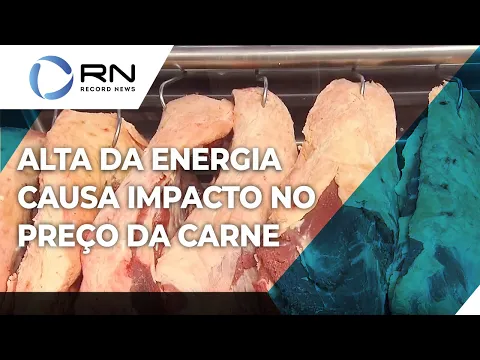

According to a survey by the Higher Institute of Administration and Economics of Fundação Getúlio Vargas (ISAE/FGV), conducted by Robson Gonçalves, a professor and economist, items such as fuel, gas cylinders, electricity, and red meats were responsible for over half of the accumulated rate in 12 months until August, equivalent to 5.31 percentage points of IPCA. In other words, without these items, inflation would be 4.37%, much lower compared to the current 9.68%.
According to Gonçalves, inflation is focused on fuel, electricity, meat, and kitchen gas, which are daily use products for consumers, clearly impacting low-income families.
-
A city with 8,000 inhabitants will receive R$ 25 billion to host the largest single-stage pulp mill in the world, with a production of 3.5 million tons per year and a cost of R$ 45 million.

-
He left India for Oman in 1976, entered through the door of luxury finishes, and took Sobha to the premium real estate market in the Middle East.

-
China wants to impress the world once again with a mega canal featuring giant locks, deep waters, and space for the largest ships, in a project aimed at shortening journeys, reducing queues, and rivaling the Panama Canal in global trade.

-
Brazil saved US$ 32.4 billion in 2025 by switching from fossil to renewable energy and only ranked behind China and the United States on the IRENA global podium.



Gonçalves also highlights that the inflation measured by the INPC, which targets families with incomes of up to 5 minimum wages, is above double digits and reached 10.42% in the accumulated 12 months until August.
Value of Basic Items for Brazilian Consumers Could Allow INPC to Reach 4.91%
The professor’s survey further shows that if fuel, electricity, and meat prices had remained stable, the INPC would be at 4.91% over the 12-month period until August, instead of the current 10.42%.
According to the professor, this inflation has an aspect that is difficult to escape from. And the implication of this is that some items end up being removed from the “cart” by consumers at the time of shopping so they can afford to pay the electricity bill, gas cylinder, and other items.
State Governments Try to Improve the Situation
Governments from several states are seeking to mitigate the situation for consumers by aiming to reduce the notorious ICMS, pointed out by President Jair Bolsonaro as one of the biggest villains of high prices.
As is the case with the Government of Roraima, which submitted this week the bill that reduces the ICMS on kitchen gas, which is currently an average of R$ 120 in the state. According to the state’s governor, the reduction is of utmost importance at this time.
In addition to planning the reduction of ICMS on the product, the government also intends to eliminate it by next year. Seeking to ease the burden on consumers in Mato Grosso do Sul, the governor announced last week that he will waive the ICMS on electricity bills, due to the new flag from Aneel, which has been in effect since the beginning of September. The new flag makes consumers pay an additional R$ 14.20 for every 100 kilowatts used.