






 Portuguese
  Spanish
  5 min of reading
  0 comments


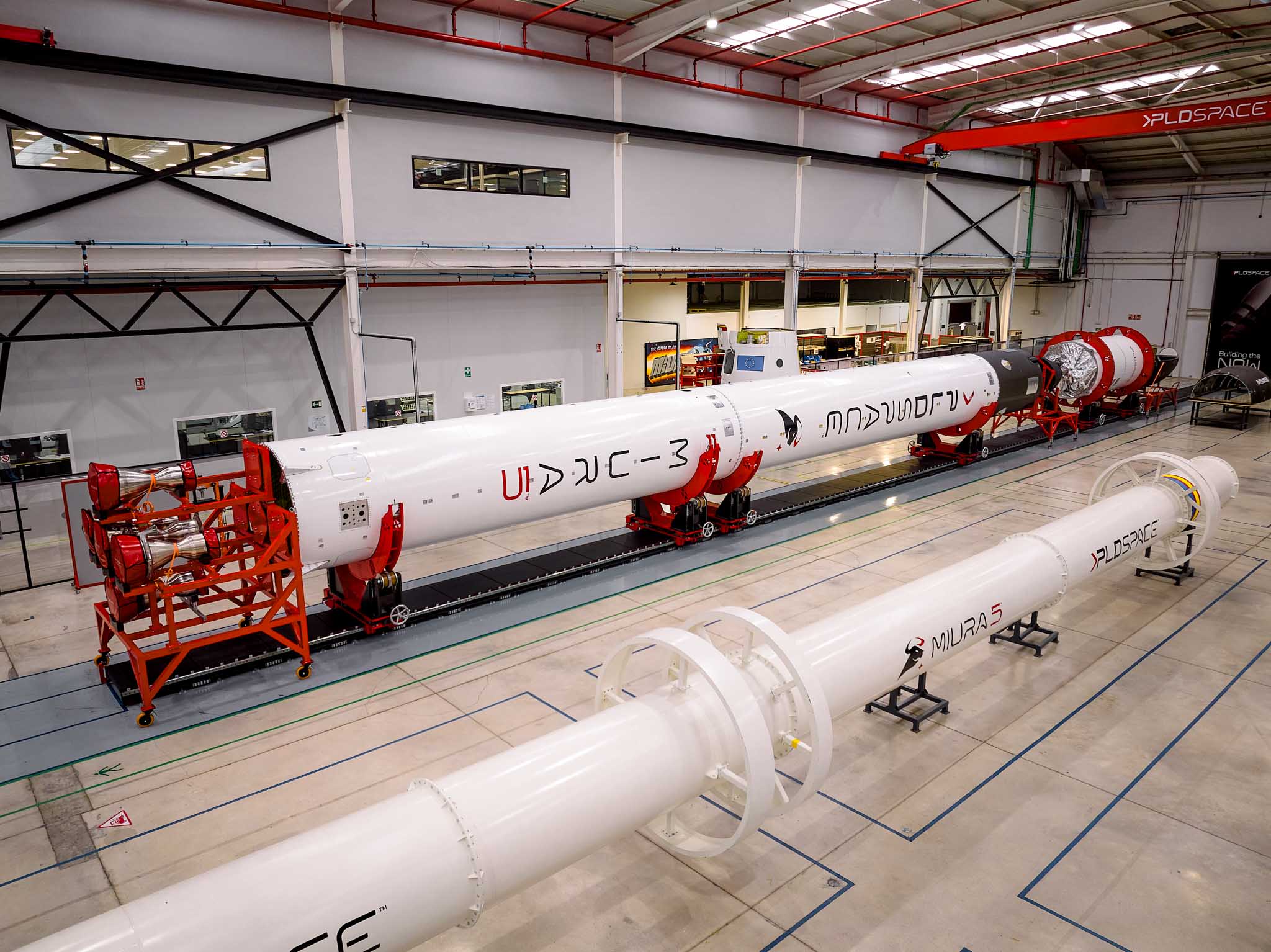
Miura 5 is the reusable rocket from the Spanish PLD Space, will have a base in Kourou and aims for up to 30 launches per year for small satellites.
While the United States and China compete for dominance in the next generation of orbital launchers, a Spanish company is trying to build an alternative path so that Europe does not rely entirely on foreign giants. The project is called Miura 5, a partially reusable orbital rocket developed by PLD Space to launch small satellites and compete in a rapidly growing market with constellations for Earth observation, communications, and defense.
The goal is not to compete directly with SpaceX’s mega rockets or heavy Chinese vehicles. The company’s bet is different: to create a more flexible European system for smaller payloads, with recovery of the first stage and operation from the Guiana Space Center in Kourou, one of the most strategic space bases on the planet.
Miura 5 was born after Miura 1 and became PLD Space’s main orbital bet
PLD Space was founded in Spain focusing on smaller reusable vehicles. The first step was Miura 1, a suborbital rocket that allowed the validation of propulsion, navigation, and recovery technologies.
-
Engineering students create a low-cost 3D-printed wheelchair for dogs and help the paralyzed dog Bili, who was born without legs, walk again for R$ 448.

-
Man creates ingenious hack with pipes buried 2.4 meters deep and transforms snow into a tropical fruit greenhouse; system created by a retired mailman uses ground heat, produces oranges and lemons in Nebraska’s winter and has already turned into more than 700 kits sold.
-
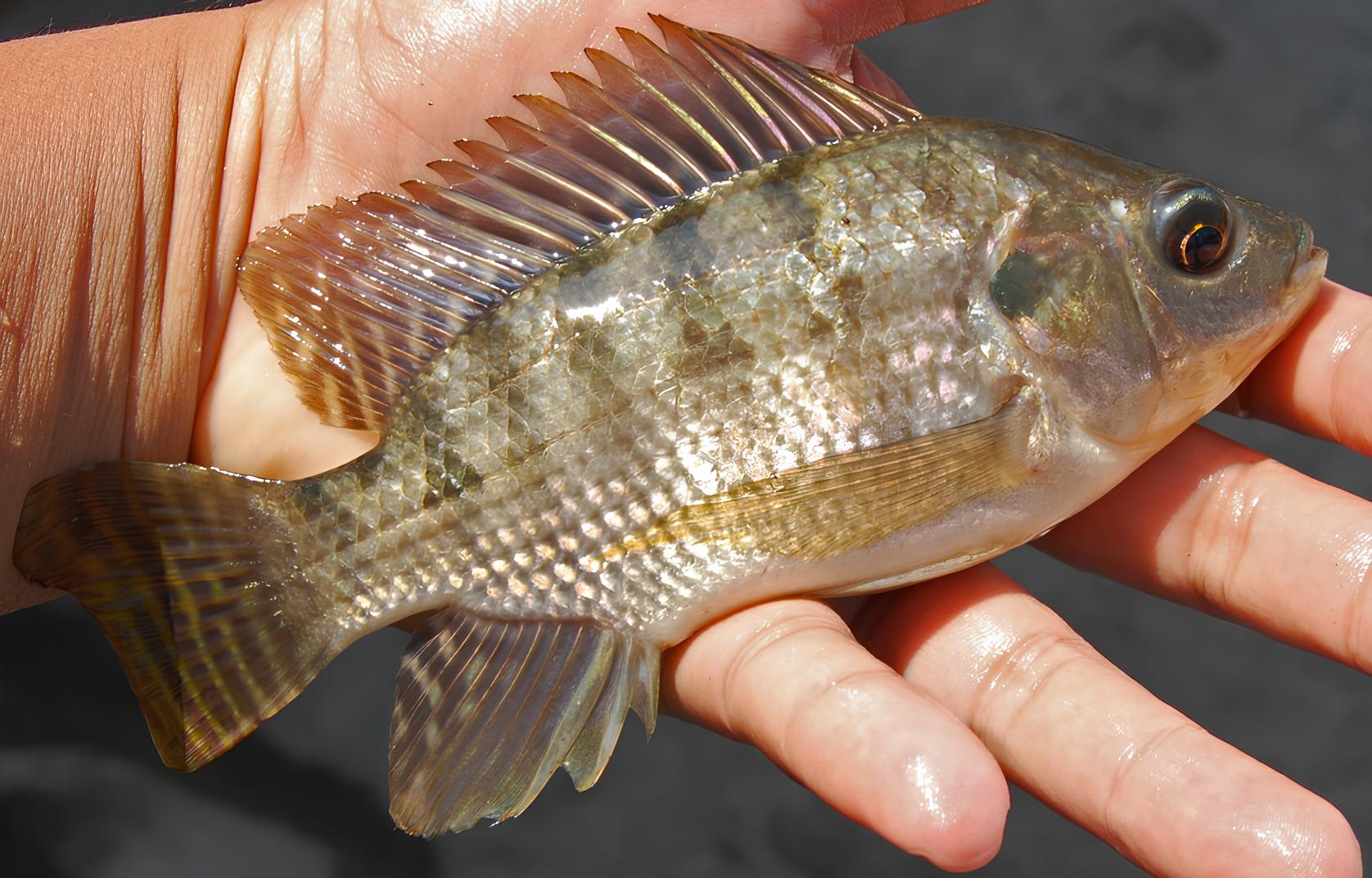
An African fish is terraforming lakes by altering sediments, increasing turbidity, and changing the food chain: the silent advance of the tilapia Oreochromis niloticus

-
In the USA, thousands of people are being paid to wash dishes and clean the house with body cameras, every movement turning into data to train robots to imitate humans, in a new “digital gig” that could redefine the future of domestic work.





With the accumulated experience, the company advanced to Miura 5, a two-stage orbital launcher designed to place small satellites in orbit without relying on much larger vehicles.
According to PLD Space itself, Miura 5 was designed to perform dedicated or shared missions for small payloads, reducing schedule risks normally associated with medium and heavy rockets.
Reusable rocket attempts to place Spain in a sector dominated by few countries
The most important aspect of Miura 5 is its reuse. PLD Space states that the first stage was designed to be recovered after launch, using a combination of braking systems, parachutes, and maritime recovery operations.
The reuse does not occur at the same operational level as SpaceX, but it represents a European attempt to reduce costs and increase the frequency of launches.
The ESA also highlights that the first stage is expected to be recovered for reuse in future missions, a feature still rare among the new European microlaunchers.
Kourou became a central piece of the Spanish strategy to reach space
One of the most important moves by PLD Space was securing infrastructure within the French Guiana Space Center.
The company announced an investment of 10 million euros to build its launch complex at the European spaceport located in Kourou.

The project includes preparation, integration, and launch areas within the ELM-Diamant zone, a historic site associated with European attempts for independent access to space.
According to the company, the goal is to become the first non-institutional private operator to launch an orbital rocket from this area of the European space base.
Europe tries to regain space autonomy after the Russian launch crisis
The race for Miura 5 gained additional importance after the break between Europe and Russia. For years, European launches used Soyuz rockets operated from French Guiana. With the end of this cooperation, the continent has faced increasing pressure to rebuild its own space access capability.
It is in this scenario that companies like PLD Space, Isar Aerospace, Rocket Factory Augsburg, and MaiaSpace are trying to occupy space.
Miura 5 emerges as one of the most advanced private initiatives within this strategy for European orbital autonomy.
Company projects up to 30 launches per year and accelerated industrial expansion
PLD Space states that it intends to rapidly scale its operation. The company declared that Miura 5 was designed to achieve up to 30 annual launches, using different space bases and expanding industrial capacity throughout the decade.

Documents released by the company show expansion of test facilities in Spain, construction of infrastructure in Kourou, and simultaneous development of multiple rocket qualification units.
The strategy follows a model similar to that adopted by modern private space companies: rapidly testing, internally producing critical components, and accelerating development cycles.
Small satellite market has become the target of a billion-dollar dispute
The growth of the light satellite sector is one of the reasons explaining the emergence of projects like the Miura 5.
Universities, private companies, governments, and armed forces have started launching increasing quantities of small satellites for earth monitoring, internet, meteorology, remote sensing, and communications.
In this market, launch flexibility has become as important as payload capacity. PLD Space is betting precisely on this niche, offering dedicated missions for smaller payloads without relying on large shared rockets.
Miura 5 has also become a platform for larger space projects
The rocket does not represent just a commercial mission. The company has already presented future concepts such as the Miura Next and heavier reusable variants, showing ambition to significantly expand its orbital capacity in the next decade.
Among the disclosed concepts are vehicles capable of transporting more than 10 tons to low reusable orbit and even systems associated with future space capsules.
Although these projects are still in development and do not represent current operational capacity, they show that PLD Space sees the Miura 5 as just the first step of a much larger strategy.
Technical specifications of Miura 5
- Company: PLD Space (Spain)
- Category: partially reusable orbital launcher
- Configuration: two stages
- Height: between 34 and 35.7 meters, depending on the disclosed configuration
- Diameter: 2 meters
- Fuel: LOX/RP-1 (liquid oxygen and kerosene)
- First stage engines: 5 TEPREL-C engines
- Second stage engine: 1 TEPREL-C Vacuum
- Low Earth orbit capacity: up to about 1,000 kg, depending on the mission and disclosed configuration
- Sun-synchronous orbit capacity: about 540 kg according to ESA and program partners
- Main planned base: Guiana Space Centre (Kourou)
- Reuse: planned recovery of the first stage
- Announced operational target: up to 30 launches per year









Be the first to react!