Portuguese
  Spanish


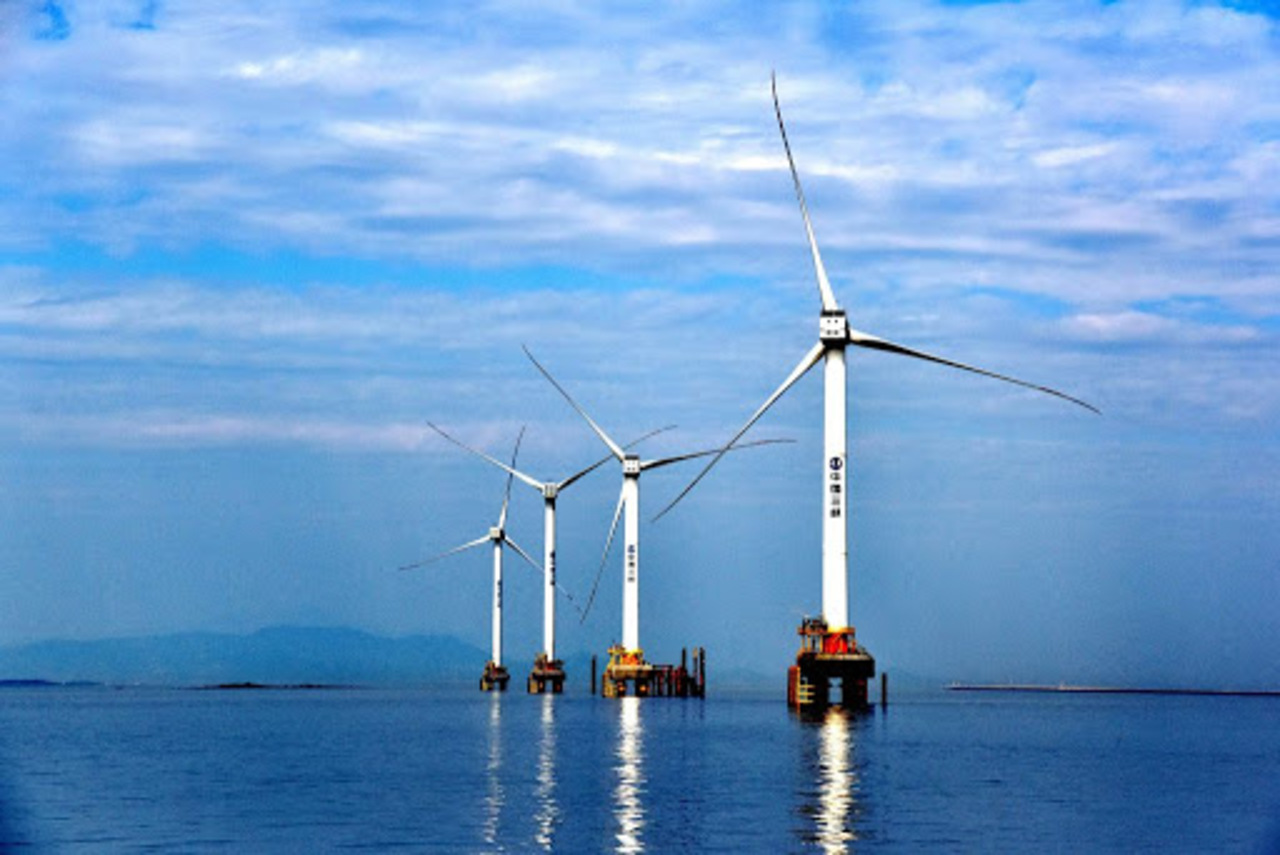

Brussels Presents A New Strategy For Offshore Wind Energy Today. Floating Wind Will Represent Up To A Third Of The Total Installed Capacity And There Are Opportunities In The Seas Of Portugal.
Also Read
Brussels’ New Strategy For The Offshore Wind Energy Market
The European Union’s new strategy for offshore wind energy will be presented this Thursday in Brussels by the Executive Vice-President of the European Commission, Frans Timmermans, and the Commissioner for Energy, Kadri Simson. A total of 300 GW of offshore wind energy is expected in the European Union by 2050, and there are opportunities in the seas of Portugal.
By around 2040, offshore wind power generated from winds in European seas is expected to already be the main source of electricity consumed in most countries. Before that, the strategy revealed today sees offshore wind capacity in the European Union (EU) growing from the current 12 GW to 60 GW by 2030, meaning a fivefold increase in capacity over the span of 10 years. Taking into account the expectation of having 300 GW by 2050, this means multiplying the available GW by 25 over 30 years.
Portugal Should Grow In The Renewable Energy Market
Currently, countries like Portugal are still limited in renewables, primarily regarding offshore wind energy, due to the deep waters where it is not possible to fix the turbines to the seabed, as is done in Denmark, for example, in the North Sea.
-
Brazilian scientists are simultaneously advancing two research projects on clean hydrogen and driving solutions that could transform the energy matrix, enhance industrial competitiveness, and accelerate large-scale emission reduction targets.

-
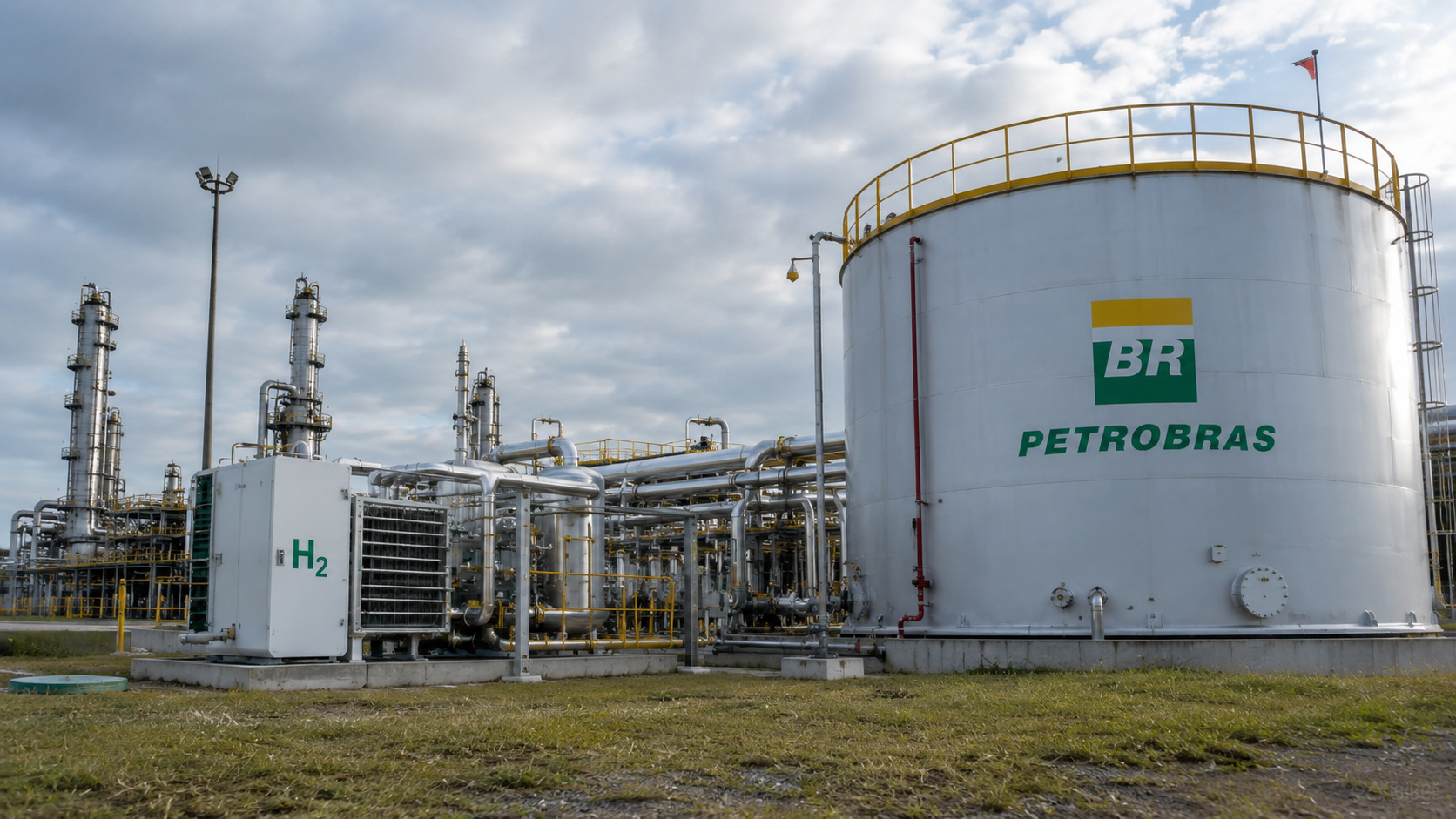
Advancement in renewable energy: A R$ 150 million project launched by Petrobras and Finep aims to create state-of-the-art electrolyzers for green hydrogen, strengthening national research and preparing Brazil to compete in a billion-dollar energy market.
-
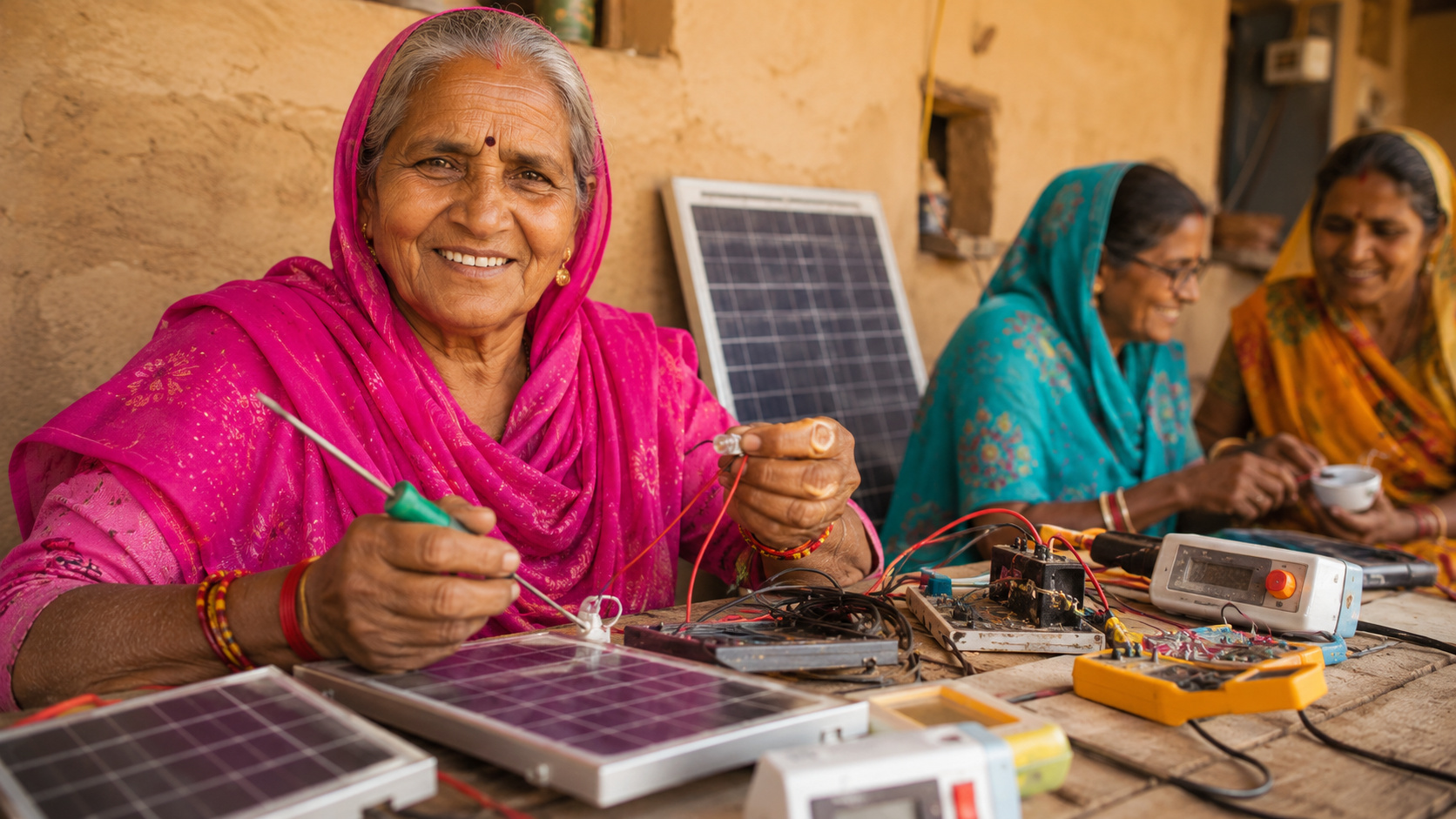
Illiterate or semi-literate grandmothers were trained to repair solar systems, open rural workshops, and light up homes that still depended on kerosene.
-
The world has bet on green hydrogen as the fuel of the future, but now faces the side effect: producing 1 kilogram requires about 9 liters of ultrapure water, and the largest projects on the planet are precisely in the driest regions of the Earth, where water is already scarce for people.


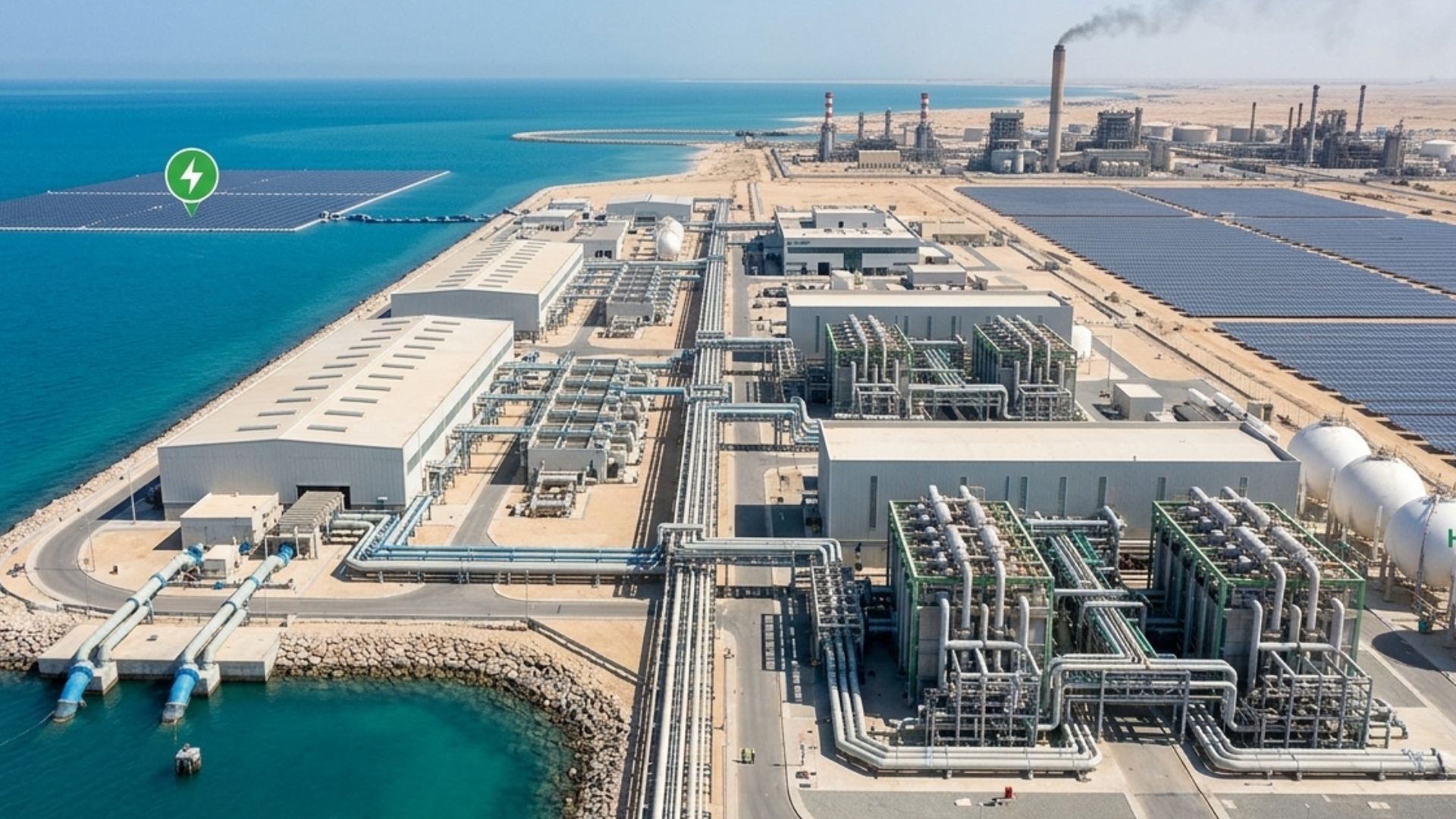
The new strategy for wind energy in Portugal now advocates for “all European coasts to benefit from this energy” and supports the expansion of floating turbines. This is, for now, the only technology compatible with the greater depths found in the waters of the Atlantic Ocean, the Mediterranean Sea, and the Black Sea. Not to mention the islands that exist there, which will also benefit.
So far, Europe has only two small offshore wind farms — one of them from the Windplus consortium, led by EDP, Engie, and Repsol, off the coast of Viana do Castelo: the Windfloat Atlantic, with three turbines and an installed capacity of 25 MW. But it is expected to have 300 MW of floating capacity by 2022 and 7 GW by 2030 with expansion plans for Portugal.
Each Turbine Can Generate 15 Million Euros For Portugal
The CEO also argues that the expansion of offshore wind energy in Europe will help in the economic recovery post-Covid-19. “Each new offshore wind turbine generates 15 million euros of economic activity. The EU Recovery Plan can help support the necessary infrastructure investments, notably in grids and ports. Member States must reflect this in their Recovery and Resilience Plans,” he argues.
The official believes that the strategy presents important points about maritime spatial planning and a legal framework for offshore wind farms connected to two or more countries.
These parks known as “hybrids” will play an important role because they allow saving money and space and also improve energy flows between neighboring countries of Portugal. Up to 7 GW of offshore hybrid parks are already under development, he notes.