






 Portuguese
  Spanish
 3 min of reading
  0 comments


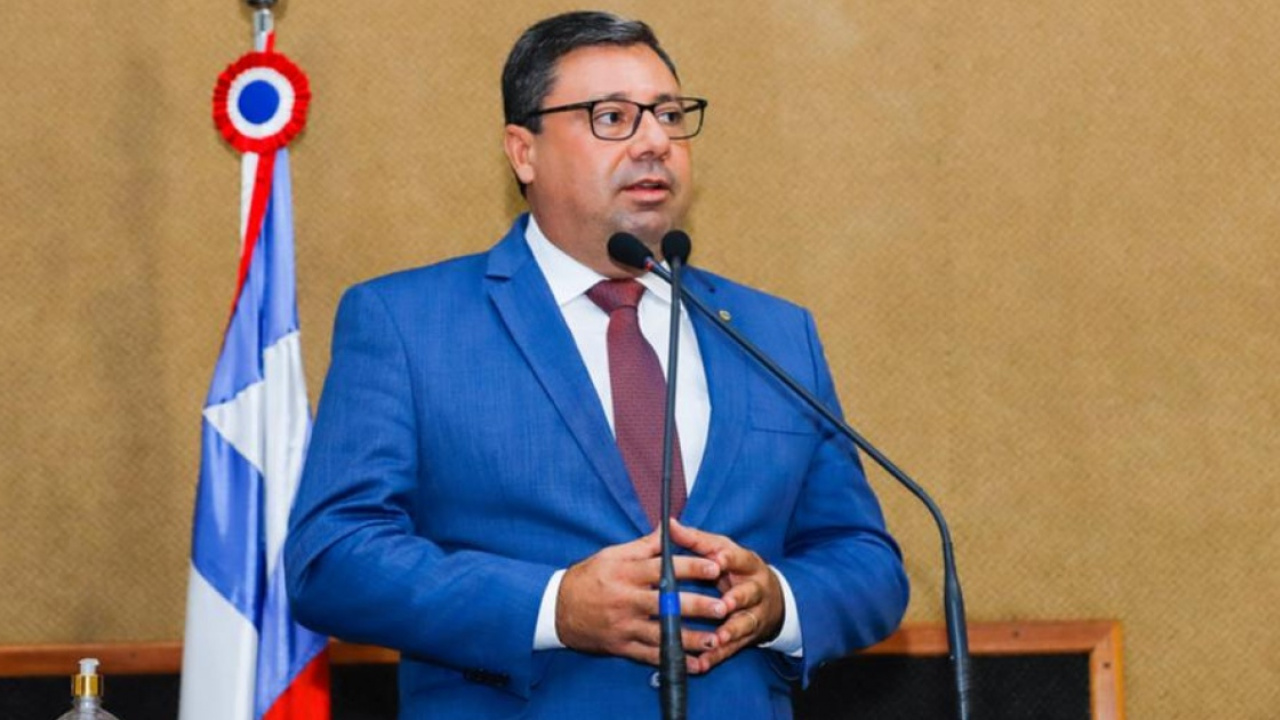
Proposal Presented to the Bahian Government Suggests the Creation of the Inclusive Energy Program, Which Will Bring Solar Energy to Low-Income Families and Isolated Communities, Ensuring Access to Electricity Through Photovoltaic Kits.
The expansion of solar energy in isolated areas has gained a new chapter in Bahia. This is because state deputy Emerson Penalva (PDT) presented to Governor Jerônimo Rodrigues (PT) the proposal to create the Inclusive Energy program, an initiative aimed at ensuring clean and continuous electricity for rural populations that still live without access to the conventional grid.
The idea relies on the use of photovoltaic kits, presented as a viable and sustainable solution to transform the daily lives of families that depend on precarious lighting alternatives.
Solar Energy as an Alternative to Reduce Inequalities
According to the document submitted to the state government, solar energy stands out as an essential option in remote regions. This is because, in addition to being clean and renewable, it reduces costs, strengthens family autonomy, and directly improves their well-being.
-
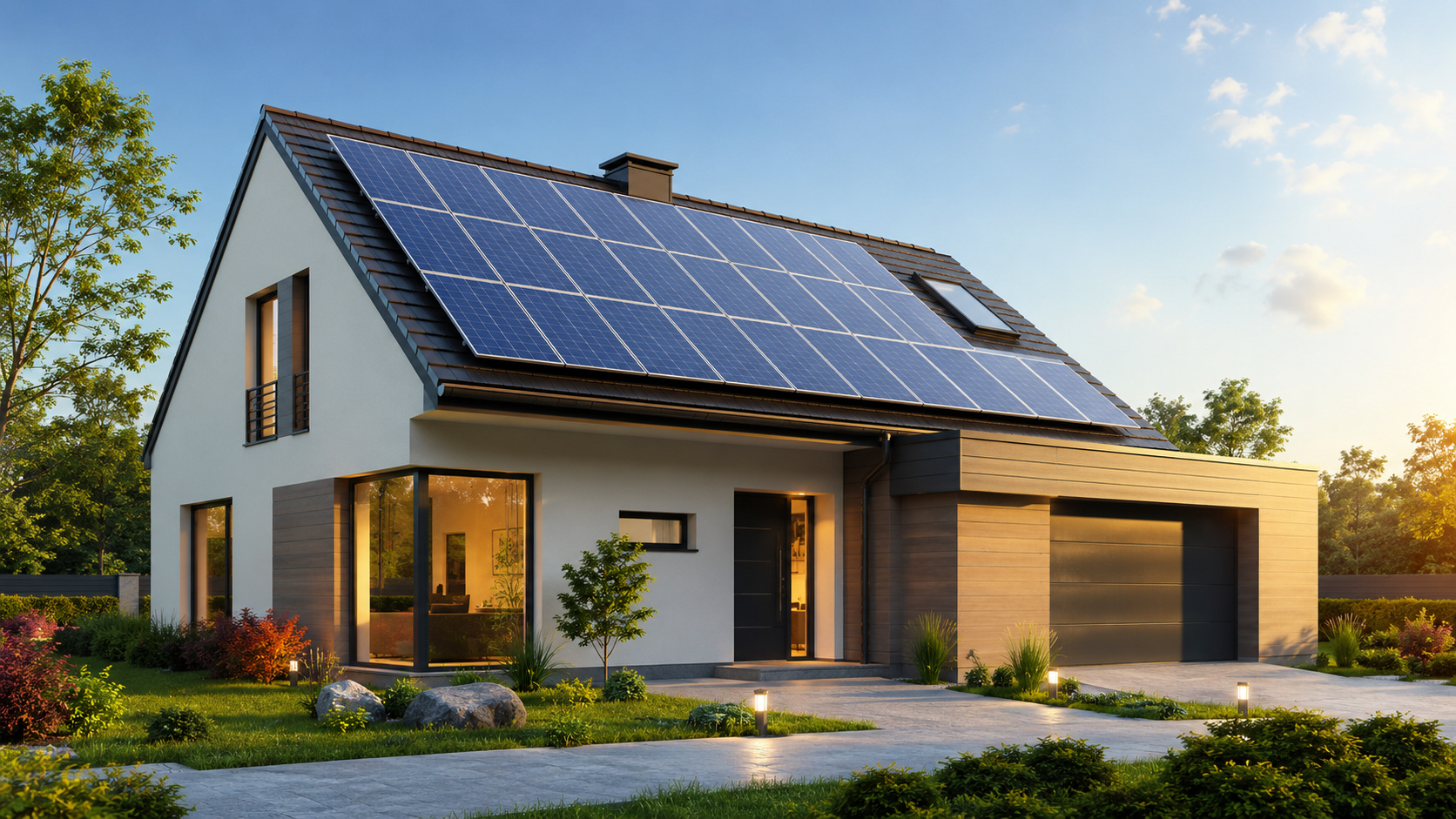
Solar energy can increase property value by up to 10% and become a selling point.

-
Solar and wind energy surpass natural gas for the first time in the world and accelerate energy revolution

-
Africa has about 500,000 cell towers and most still burn diesel to operate, while companies rush to cover antennas with solar energy and avoid signal blackouts.
-
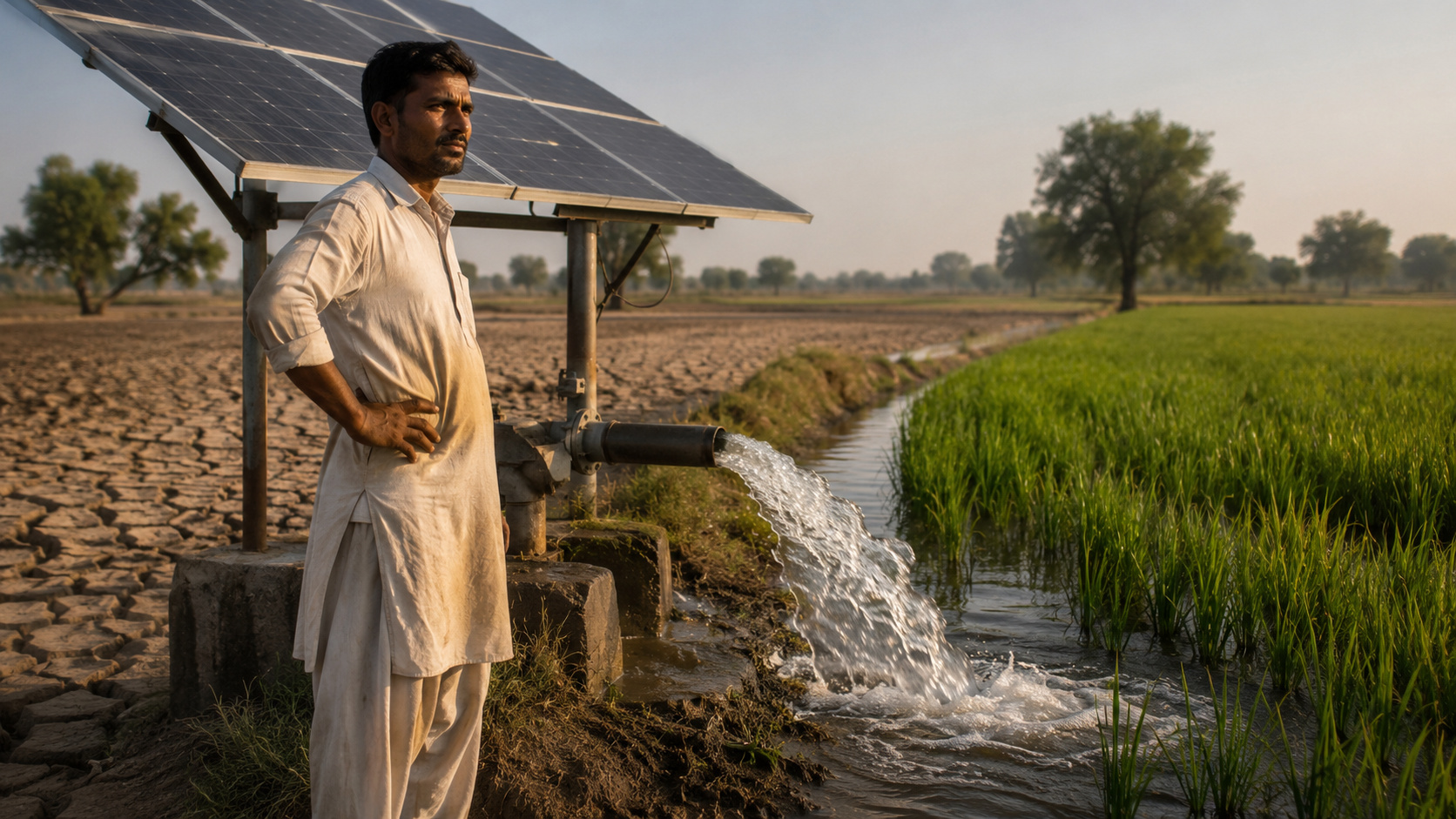
Farmers swapped diesel for solar panels in Pakistan, powered irrigation pumps almost cost-free, expanded rice fields, and now groundwater has become a red alert in the countryside.


Thus, the Inclusive Energy program aims to address a historical gap, since several rural areas in Bahia still face a total absence of electricity.
The legislator emphasizes that the lack of energy limits basic rights, affects productive activities, and hinders local development.
Therefore, the proposal seeks to repair inequalities that span generations, especially in communities where expanding the electricity grid is not considered economically viable.
Priority for Low-Income Families and Isolated Territories
The program suggested by Penalva outlines a priority social focus. The following groups would be included:
- Families registered in CadÚnico;
- Small family farmers without access to the grid;
- Isolated rural communities;
- Riverside peoples, extractivists, and artisanal fishermen;
- Homes located in hard-to-reach areas.
The idea is to reach where conventional service does not. According to the deputy, many of these groups depend on lanterns, diesel generators, or other improvised solutions, which increase costs and harm health.
Solar Energy to Strengthen Family Agriculture and Local Production
In addition to the social impact, the Inclusive Energy program directly engages with the rural economy. This is because access to solar energy enables refrigeration, irrigation, food processing, and other activities that strengthen small producers.
The proposal highlights that sustainable electrification can generate new productivity cycles, increasing income and reducing rural exodus.
To ensure the program’s viability, Penalva recommends broad collaboration with different institutions. Among the proposed partners are Neoenergia Coelba, the Department of Rural Development (SDR), the Coordination of Agricultural Development (CDA), the Department of Infrastructure (Seinfra), and the State Energy Company of Bahia.
Additionally, the document suggests that the state government engage with the Ministry of Mines and Energy, with Eletrobras—especially through Light for All—and with international organizations dedicated to energy transition.
In this way, the legislator bets on the unity of efforts to expand the reach of solar energy and accelerate its implementation in remote communities.
The proposal reinforces that the Inclusive Energy program can integrate with existing national programs, optimizing resources and expanding impacts.
The deputy argues that cooperation between the State and the Union opens pathways to increase investments and expedite the arrival of solar energy where it is most urgent.



-

1 person reacted to this.