Portuguese
  Spanish


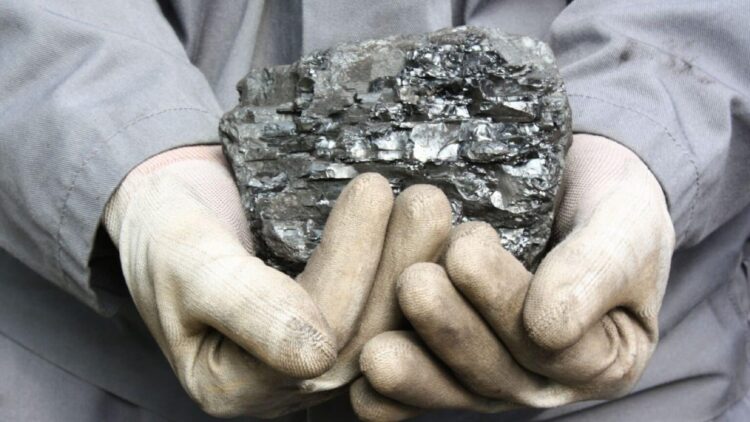
Rocks With Potential to Be a Source of Energy Have Been Discovered in America, Offering a Promising Solution to Climate Challenges
In a discovery that could transform the global energy landscape, the United States has revealed a source of energy previously unexplored: white hydrogen. Trapped beneath geological formations and invisible for centuries.
Although the concept of white hydrogen is still new, its natural and sustainable properties position it as a promising solution to the energy crisis and the transition to cleaner sources.
What Is White Hydrogen? A Sustainable Source of Energy
White hydrogen, also known as natural hydrogen, is a variant that occurs spontaneously in the Earth’s crust. Unlike hydrogen produced industrially, it is extracted directly from geological formations, such as basaltic rocks.
-
Sixth-grader in Miami wins Lemelson Young Inventor Prize for creating water-absorbing concrete using discarded oyster shells and charcoal.

-
Brazilian Researchers Develop Portable, Painless, Radiation-Free Breast Cancer Tracker Using Microwaves, Costing Around $200 and Potentially Replacing $240,000 Mammograms
-
Beer as a Vaccine? Scientist Develops Experimental Method with Live Yeasts, Tests Own Brew, and Publishes Results on Zenodo

-
Brazilian Researchers Develop ‘Rapha’ Device Using Natural Latex and LED Light to Heal Diabetic Foot Ulcers and Prevent 50,000 Annual Amputations


This formation process is the result of natural reactions between water and iron-rich minerals or the decomposition of organic matter over millions of years.
This characteristic distinguishes it from other types of hydrogen, such as gray, which is produced from natural gas, and green, derived from renewable sources through processes that require high energy. White hydrogen, on the other hand, does not require intensive stages to be accessed, making it a potentially cheaper and more sustainable alternative.
A Great Discovery
In the United States, a promising area for the exploration of white hydrogen is the Mid-Continent Rift System, which extends from Kansas to the Great Lakes. This geological system contains iron-rich rocks that, when interacting with water, naturally generate hydrogen gas.
Researchers indicate that injecting water into these formations could stimulate the production and collection of white hydrogen, offering a new route for clean energy.
In addition, companies like HyTerra have been leading efforts to map and assess the potential of white hydrogen reserves in American territory. Although still in its infancy, the exploration is paving the way to understand the commercial viability of this resource.
Revolutionary Potential
White hydrogen is celebrated as an innovative solution to various energy challenges. Its carbon footprint is extremely low, and its direct extraction reduces the need for costly and polluting processes. It can also be a catalyst for advancing the hydrogen economy, especially in sectors such as transportation, energy generation, and industrial processes.
Studies indicate that global reserves of white hydrogen may be significantly larger than those of fossil fuels. This abundance creates the prospect of a sustainable energy source in the long term. However, as experts warn, the distribution of reserves is uneven, making mapping and responsible exploration crucial.
Challenges Ahead for This Source of Energy
Although white hydrogen promises a transformative impact, the industry faces significant barriers to its large-scale implementation:
- Exploration and Extraction: Identifying deposits requires advanced geological research and drilling technologies, which can be costly and technically complex.
- Environmental Impact: Despite its theoretical sustainability, it is necessary to ensure that extraction is carried out without harming the environment, especially concerning groundwater contamination.
- Commercial Acceptance: The lack of practical examples of white hydrogen usage makes acceptance by investors and the market challenging.
“Overcoming these obstacles will be inevitable”, comments a renewable energy expert. “But the unique and promising characteristics of white hydrogen justify the efforts for its exploration.”
Promise and Future Prospects
If well explored, white hydrogen could fill a critical gap in the global energy transition. It is particularly appealing for the production of green ammonia, which can be used as fuel and fertilizer. Furthermore, its relative abundance and low production costs position white hydrogen as a viable alternative to replace fossil fuels on a large scale.
In France, for example, considerable deposits have been identified in Lorraine, reinforcing the global potential of this resource. With continued investments, white hydrogen could emerge as a game changer in the fight against climate change and the search for energy alternatives.
A New Paradigm for Energy
The discovery of white hydrogen reserves represents more than a scientific innovation; it may symbolize a paradigm shift in how energy is produced and consumed. By eliminating the need for carbon-intensive processes and harnessing the Earth’s natural resources, white hydrogen offers an optimistic vision of a sustainable future.
Although inevitable challenges lie ahead, a commitment to responsible practices and ongoing research can unlock the full potential of this energy source. With this, the United States and other countries can lead an energy revolution that aligns with global sustainability goals.
However, success will depend not only on technology and investments but also on robust collaboration among governments, businesses, and scientific communities. White hydrogen could be the answer to many questions society faces, but, like any solution, it will require time, effort, and innovation to reach its full potential.
The future of white hydrogen is filled with promises but also uncertainties. For this discovery to become a viable and widely accepted resource, it will be necessary to overcome technical, economic, and environmental challenges. However, its ability to provide clean, accessible, and abundant energy could transform the way humanity consumes natural resources.
By exploring the depths of the Earth in search of solutions, perhaps the United States has found not only a new source of energy but also a new hope for the global energy future. And, perhaps, also to correct small missteps on the path to perfection.