





 Portuguese
  English
  Spanish
  5 min of reading
  0 comments


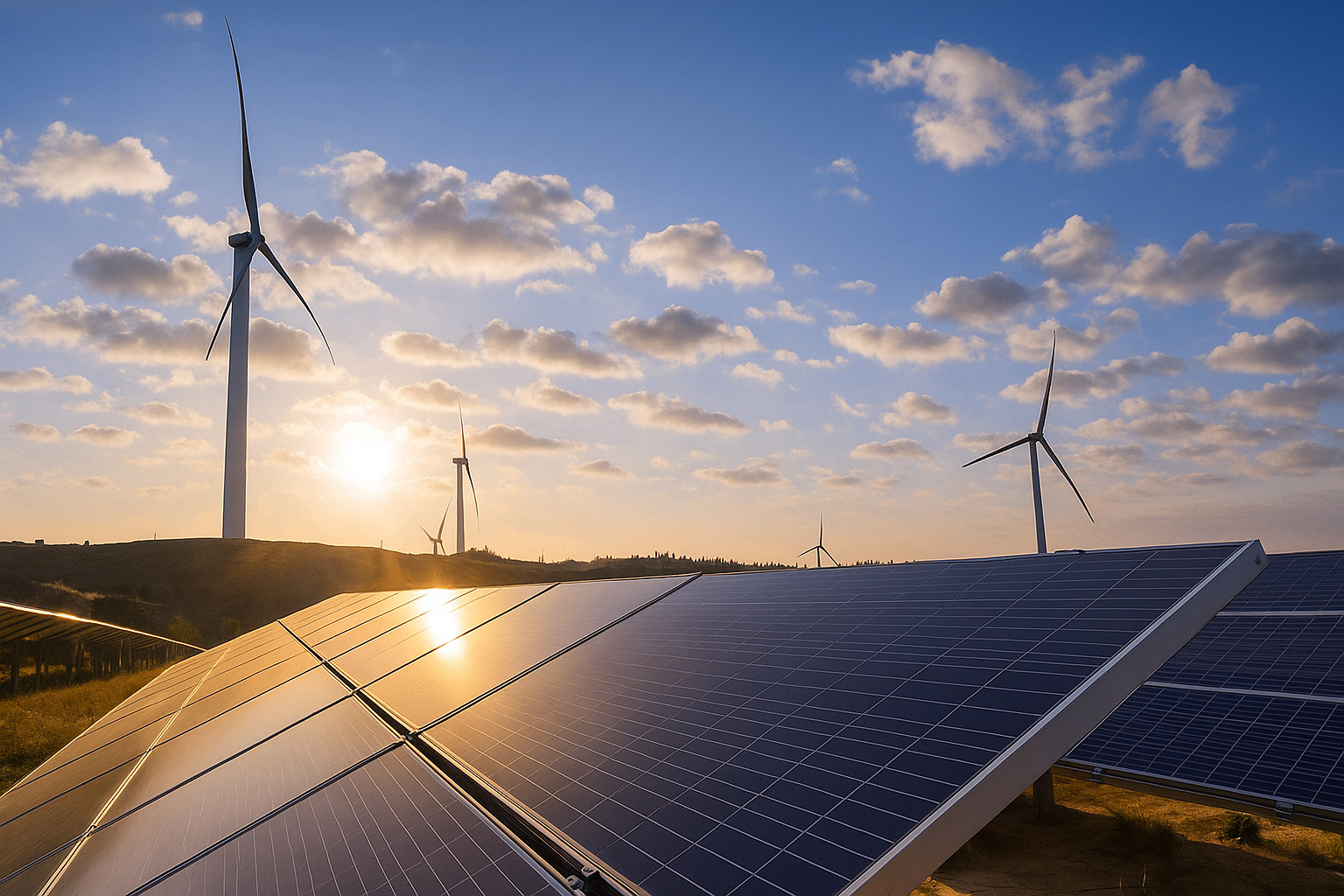
Discover How Clean Energy Becomes More Accessible and Benefits Millions of Brazilians Without Investing in Their Own Equipment.
In recent years, Brazil has recorded significant advancements in the area of renewable energy; consequently, clean energy becomes more accessible to millions of Brazilians.
In fact, distributed generation has played a central role, as it allows homes, businesses, and institutions to access sustainable energy sources without having to invest heavily in their own equipment.
Moreover, this model reduces electricity bills and, therefore, democratizes the use of renewable sources, promoting energy inclusion and environmental sustainability.
-
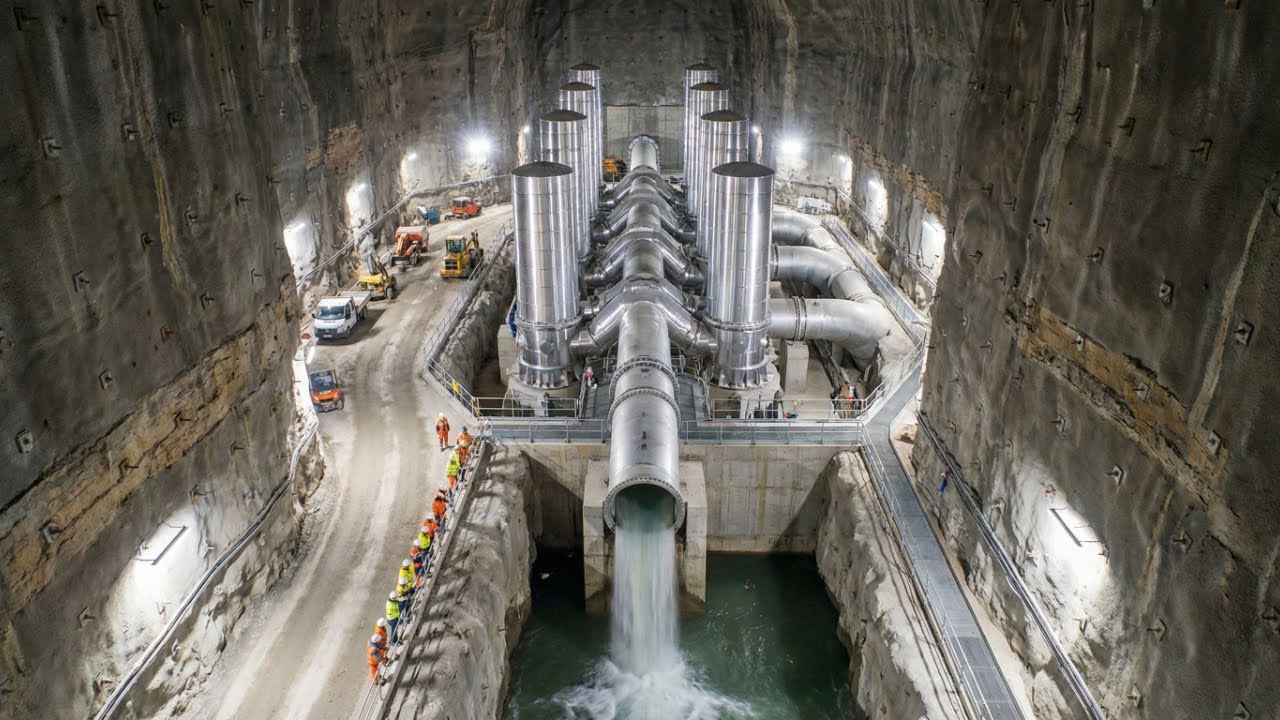
Canadian engineers want to compress air in underground caverns and build plants of up to 500 MW that function as giant lungs to store renewable energy for hours and stabilize entire electrical grids.
-
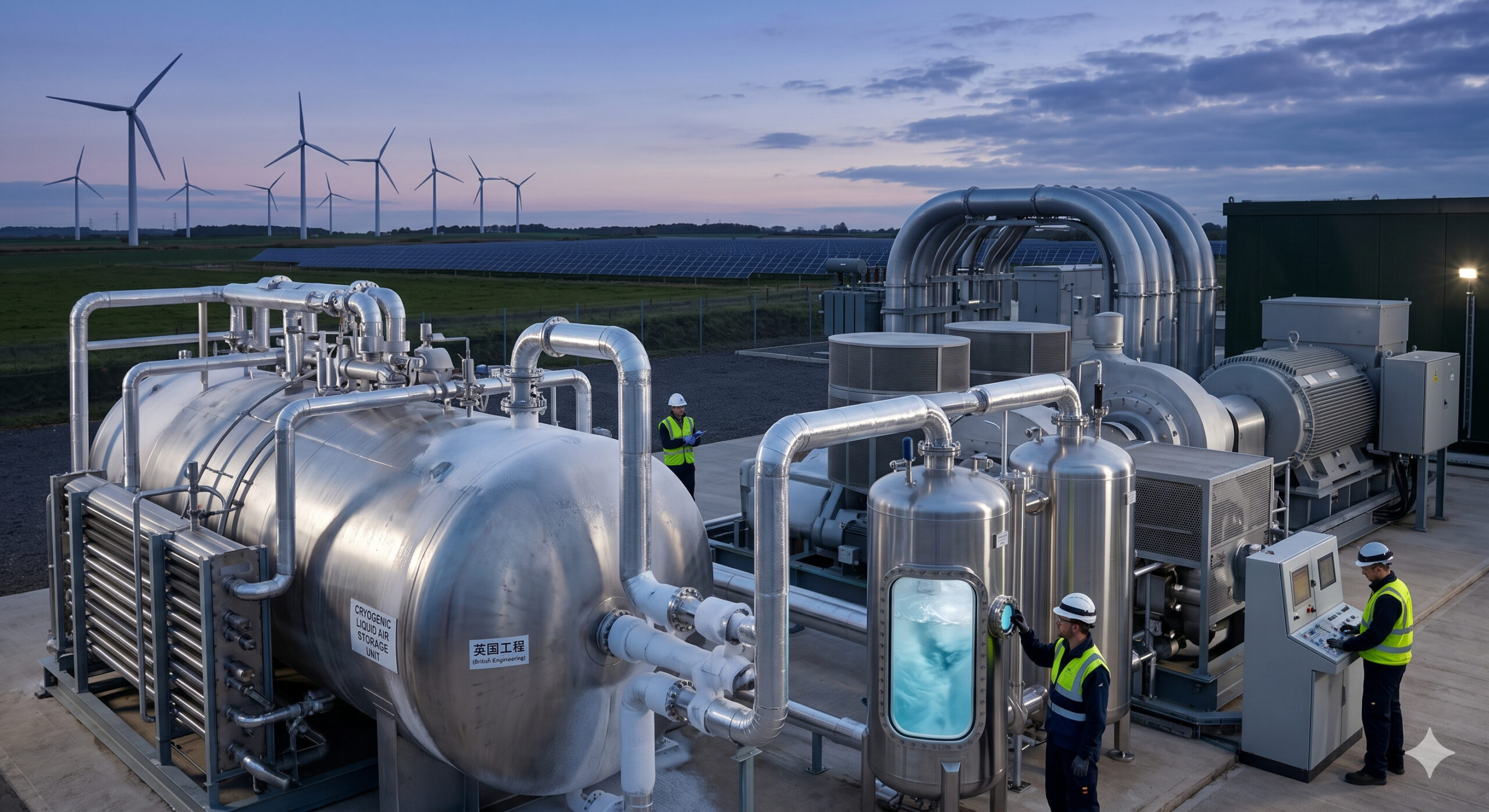
British engineers cool air until it turns into liquid, store energy for weeks, and create an “invisible battery” capable of sustaining the power grid when the wind stops and the sun disappears.
-
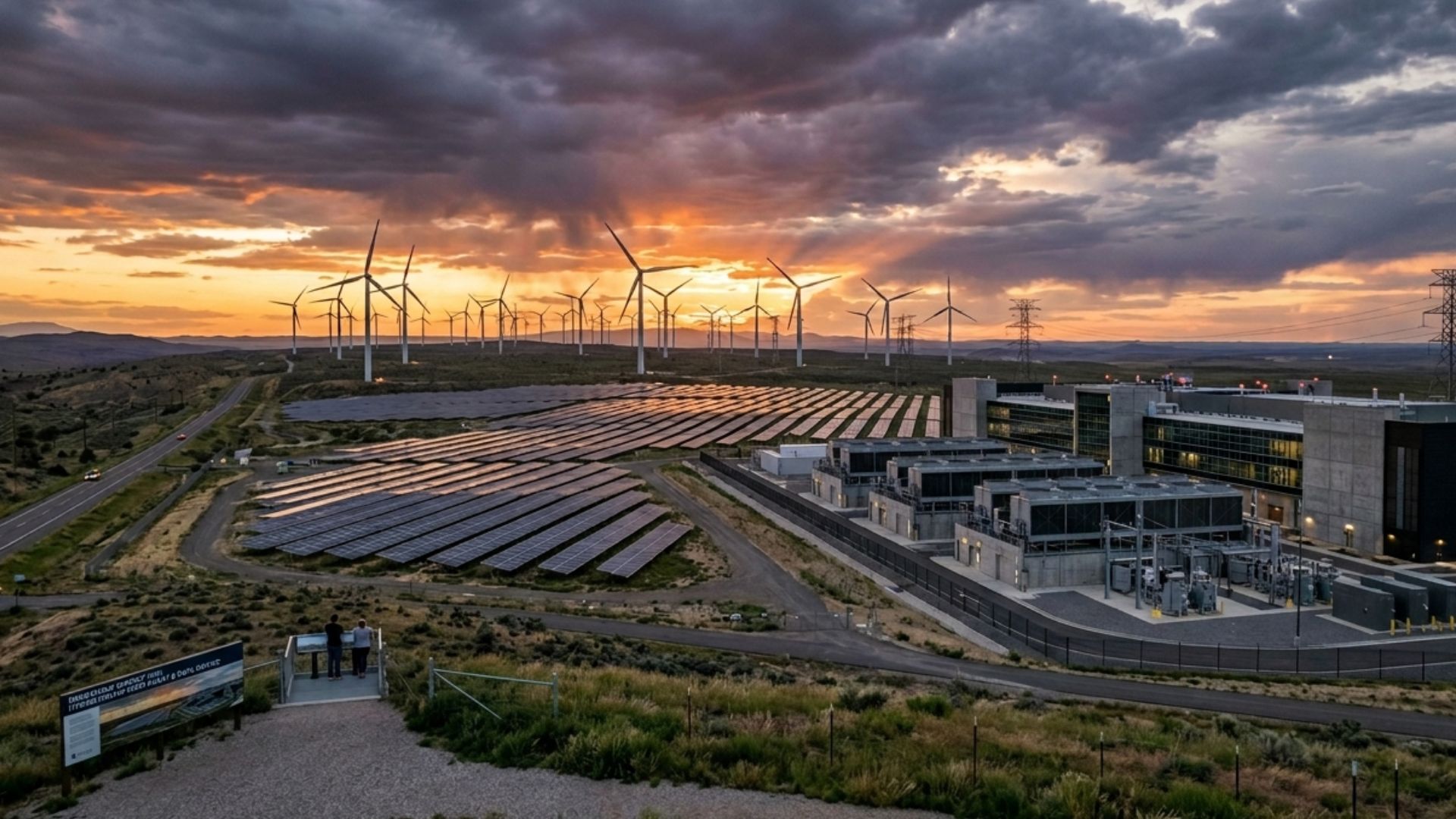
How IBM and UNDP are using AI to map those who still live without renewable energy and accelerate solutions that promise to transform local economies and reduce deep inequalities.
-
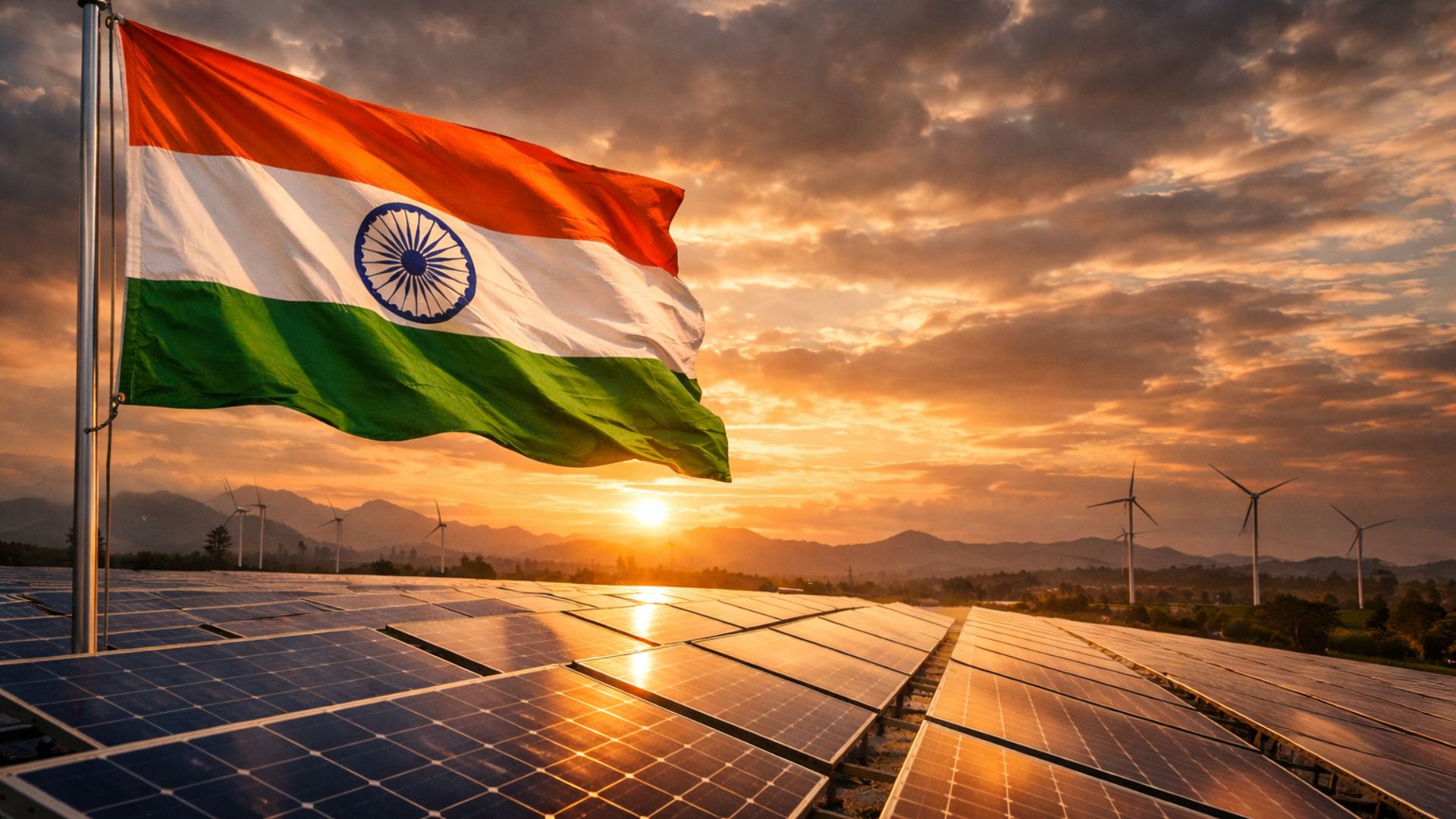
India takes the 3rd position globally in installed renewable energy capacity and accelerates the energy transition at an unexpected pace, reducing costs, attracting foreign capital, and consolidating its global energy leadership.
Historically, the Brazilian energy matrix has always prioritized hydroelectric plants; however, since the mid-20th century, the country has invested in the construction of large dams, taking advantage of the abundance of rivers and waterfalls.
Thus, the model ensured decades of reliable and relatively cheap electricity supply. But at the same time, it brought challenges, such as the environmental impact of large projects and vulnerability to dry periods.
For this reason, the need to diversify energy sources became evident, incorporating solutions that are less weather-dependent and more compatible with global sustainability goals.
Additionally, the increase in energy consumption, driven by population growth and industrial development, showed that the centralized model would face long-term limitations.
Therefore, the more remote regions, especially in the North and Northeast, faced difficulties accessing reliable electricity.
In this context, distributed generation solutions emerged as a technological alternative and a tool for social inclusion.
Technological Revolution and Regulation of Distributed Generation
In the 21st century, there has been a true technological and regulatory revolution in the electric sector.
Thus, starting in 2012, with the approval of the first legislation on distributed generation, Brazil began to experiment with alternative energy production methods.
In fact, the concept of distributed generation allows production to occur close to the consumption point, reducing transmission losses and increasing the efficiency of the electrical system.
More recently, Law No. 14.300/2022 consolidated and regulated this model, including clear rules about credit compensation and the cooperative figure.
Thus, clean energy becomes more accessible and legally secure for all consumers.
Among the most innovative models of distributed generation, collective cooperation stands out.
As a result, individuals and companies can unite to share the energy production from plants already connected to the electrical grid.
Moreover, each participant receives credits proportional to their share, which are directly deducted from the monthly bill.
This way, it is not necessary to invest in solar panels, turbines, or individual biogas systems.
Therefore, this approach has been decisive in breaking down barriers that limited access to renewable energy, such as high initial costs and lack of physical space in homes or small businesses.
Furthermore, the social impact of this model is also significant.
By allowing more Brazilians to access renewable energy, cooperatives promote energy inclusion and reduce inequalities in access to essential services.
Additionally, shared generation strengthens the local economy, as many cooperatives and companies hire regional labor to operate and maintain the plants.
Consequently, this movement creates jobs, encourages innovation, and promotes awareness of responsible natural resource use.
Environmental and Economic Benefits of Shared Generation
In environmental terms, the increased access to renewable energy is equally important.
Although Brazil generates about 93% of its electricity from clean sources in 2023, the dependence on hydroelectric plants is still concerning.
Thus, during drought periods, the activation of thermal plants increases costs and pollutant emissions.
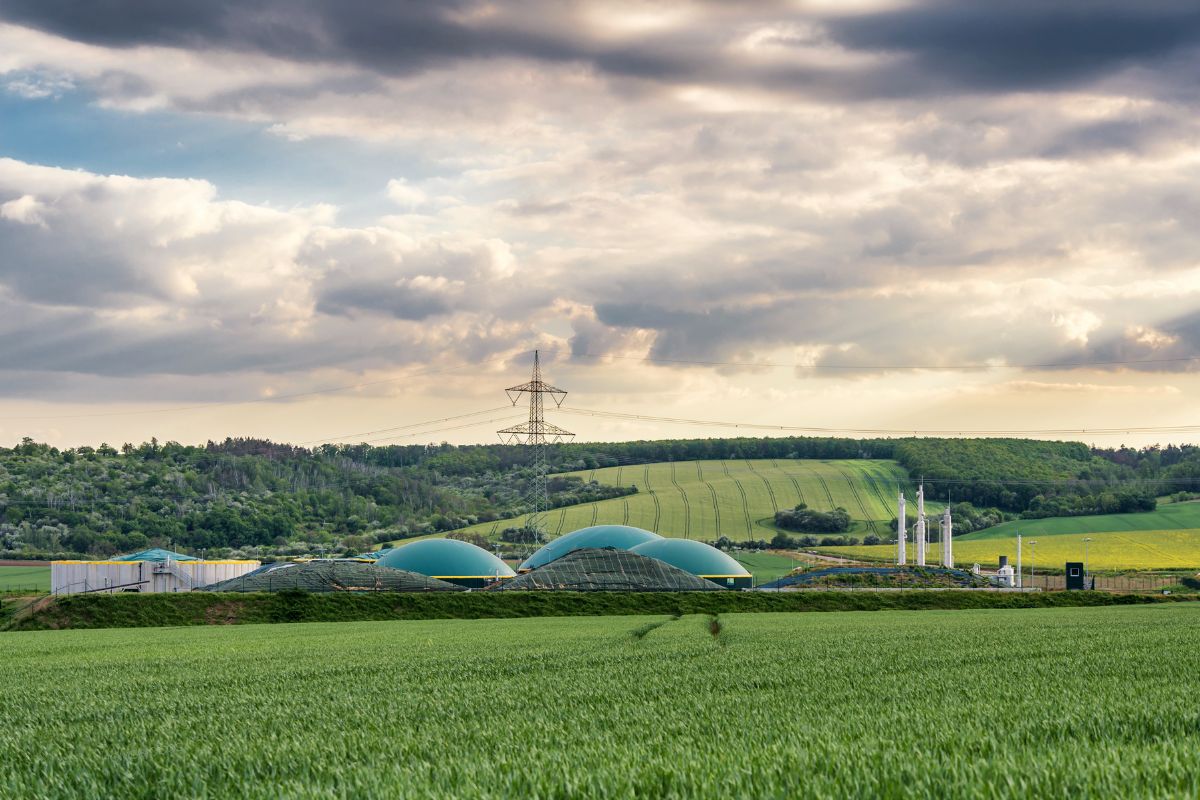
Therefore, diversification with sources such as solar photovoltaic, biogas, biomass, and small hydropower plants ensures that clean energy becomes more accessible, while strengthening the stability of the electrical system and reducing the environmental footprint.
Moreover, specialized companies play a crucial role in this process.
They act as cooperative managers and ensure that energy credits are correctly delivered to consumers.
For example, Nex Energy manages plants in different regions of the country and allows homes and businesses on low voltage to access clean energy without investing in their own equipment.
Thus, these companies function as reliable intermediaries, offering legal and technical security, as well as facilitating the expansion of access to renewable energy on a national scale.
Another relevant point is the economic effect of distributed generation.
For residential and commercial consumers, reducing electricity bills protects against tariff fluctuations and changes in tariff flags.
This is especially important in a country like Brazil, where climatic variations and water crises directly impact electricity costs.
Thus, clean energy becomes more accessible not only financially but also in terms of predictability and supply security.
Furthermore, the model strengthens the circular economy.
By prioritizing local renewable sources, cooperatives decrease the dependence on imported fossil fuels.
They also encourage the recycling of organic waste and promote energy efficiency practices.
Therefore, this combined effect links sustainability to economic prosperity.
Global Growth and Future Perspectives
The growth of this model also reflects global trends.
According to the International Energy Agency (IEA), the world added about 507 gigawatts of renewable capacity to the electrical matrix in 2023, setting a new global record.
Thus, these figures reinforce the importance of public policies, regulatory incentives, and technological innovation to make renewable energy accessible and reliable.
In this sense, Brazil, with its history of leadership in clean energy production, is positioned to become a global example of democratizing access to sustainable electricity.
Furthermore, the trend of expanding shared generation aligns with the goals of ESG (Environmental, Social, and Governance) practices.
Micro and small businesses adopting this model reduce costs and strengthen their sustainable reputation in the market.
They also attract clients and investors concerned with social and environmental responsibility.
The Brazilian Association of Photovoltaic Solar Energy (Absolar) projects that shared generation will continue to grow.
Especially in systems of up to 5 megawatts, like those operated by cooperatives, the model will further expand the reach of accessible clean energy in the country.
In the historical context, the democratization of renewable energy represents a significant advance.
From a centralized system dependent on large hydroelectric plants, Brazil is moving towards a diversified and inclusive model, in which citizens and businesses from different regions actively participate in the energy transition.
Thus, this movement strengthens the energy security of the country and contributes to global goals of emission reduction and sustainable development.






Seja o primeiro a reagir!