






 Portuguese
  Spanish
  3 min of reading
  0 comments


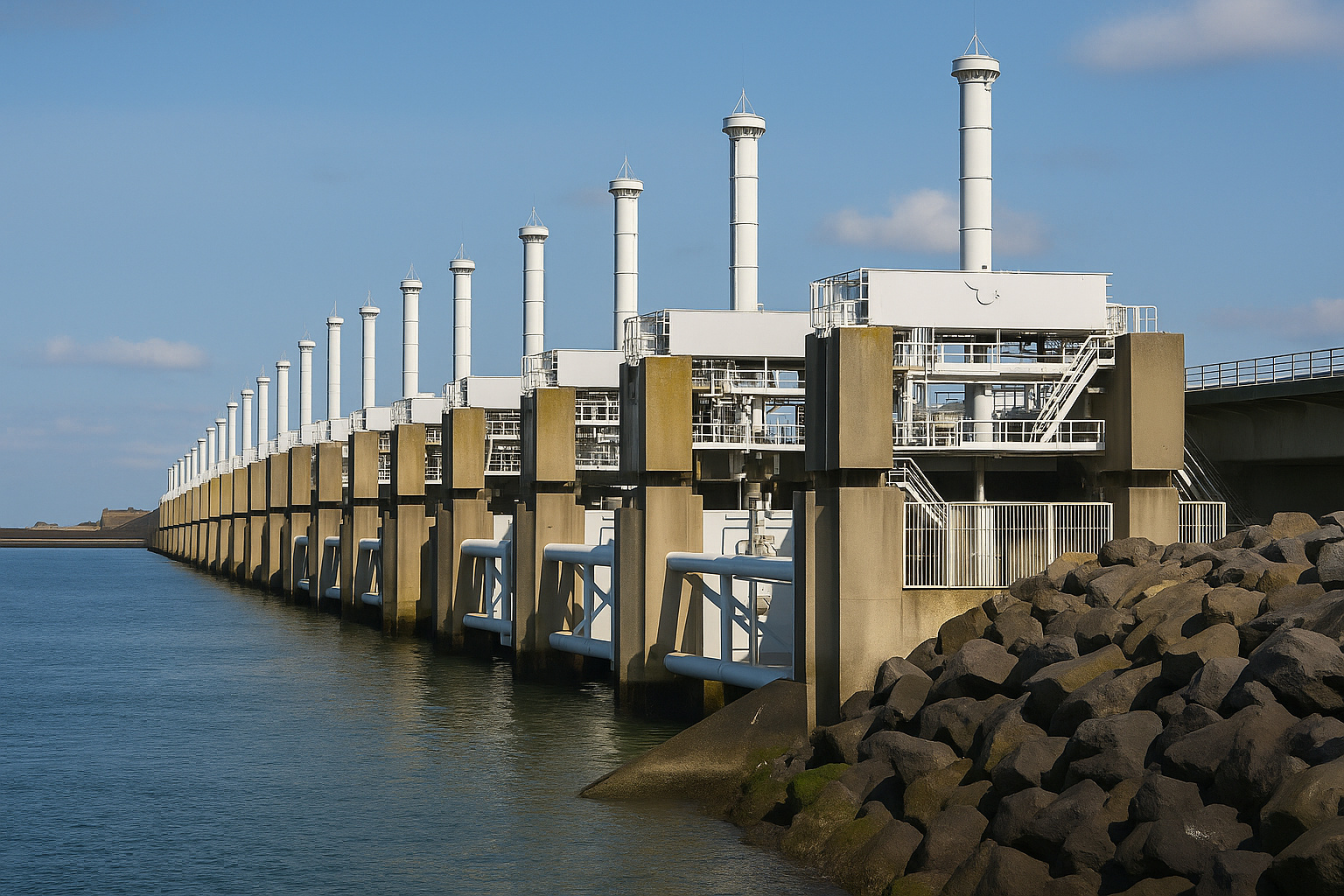
Tidal Power Can Generate Clean Electricity, But Costs and Impacts Still Limit Technology Expansion
Despite global advances in decarbonization, fossil fuels still dominate the world energy matrix, according to the Global Energy Sector Overview released by PUC-Rio in 2024. In Brazil, however, emissions are more linked to deforestation and wildfires than to electricity production. Nevertheless, the search for clean alternatives is advancing, and tidal energy emerges as a bold option.
Experts emphasize that this source uses the movement of tides to generate electricity, harnessing the ocean’s kinetic energy. Although it is considered renewable and clean, high costs and environmental impacts still hinder its large-scale adoption.
Technical Advances and Installation Barriers
Professor Frederico Tigroso from the Federal University of ABC and PhD in Energy from USP stated in 2023 that the construction of tidal power plants alters salinity, sedimentation, and water turbidity. Additionally, he highlighted detrimental effects on navigation, fishing, and coastal recreation, not to mention the visual and noise impacts of the turbines.
-
Brazilian scientists are simultaneously advancing two research projects on clean hydrogen and driving solutions that could transform the energy matrix, enhance industrial competitiveness, and accelerate large-scale emission reduction targets.

-
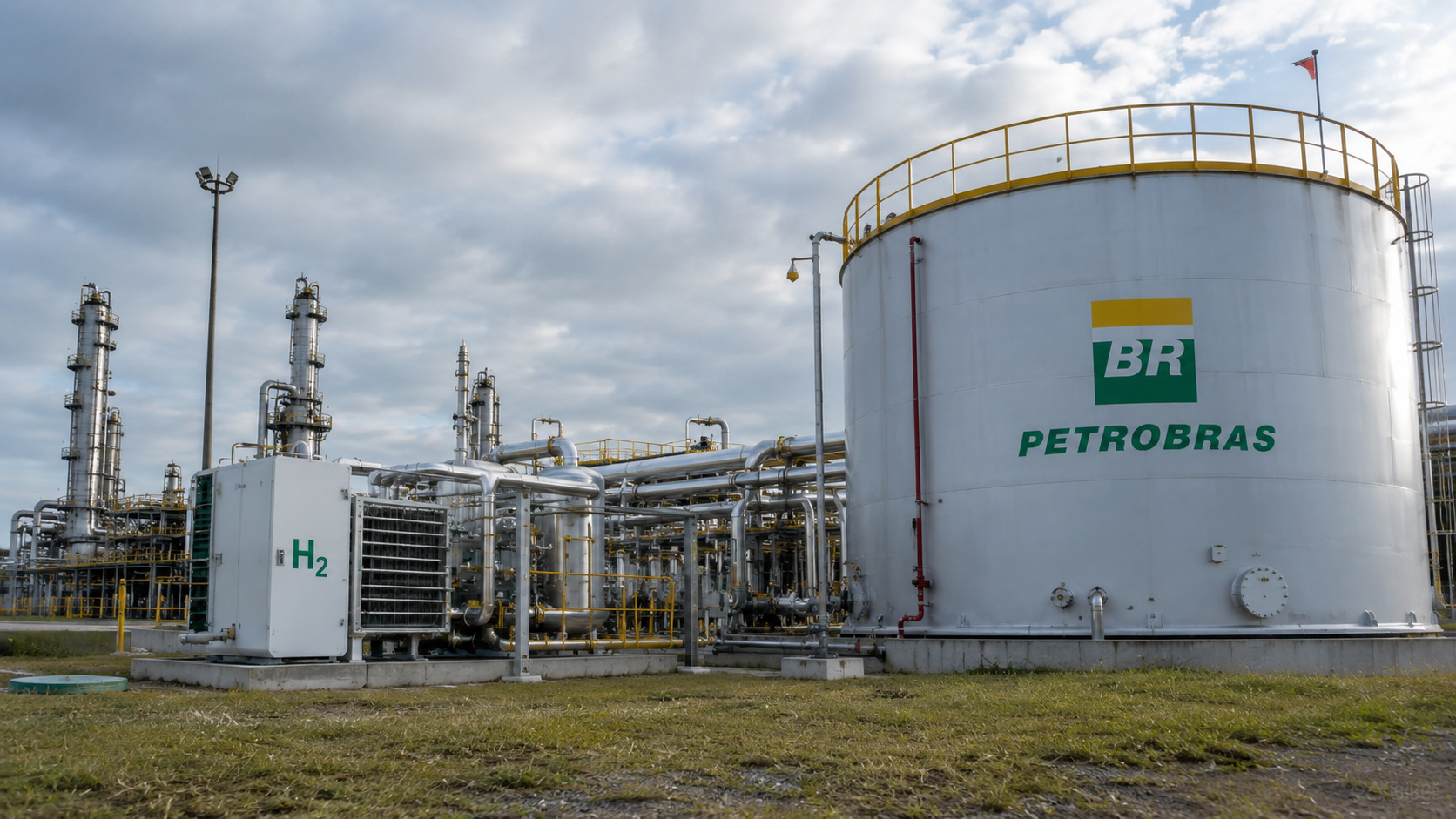
Advancement in renewable energy: A R$ 150 million project launched by Petrobras and Finep aims to create state-of-the-art electrolyzers for green hydrogen, strengthening national research and preparing Brazil to compete in a billion-dollar energy market.
-
Illiterate or semi-literate grandmothers were trained to repair solar systems, open rural workshops, and light up homes that still depended on kerosene.
-
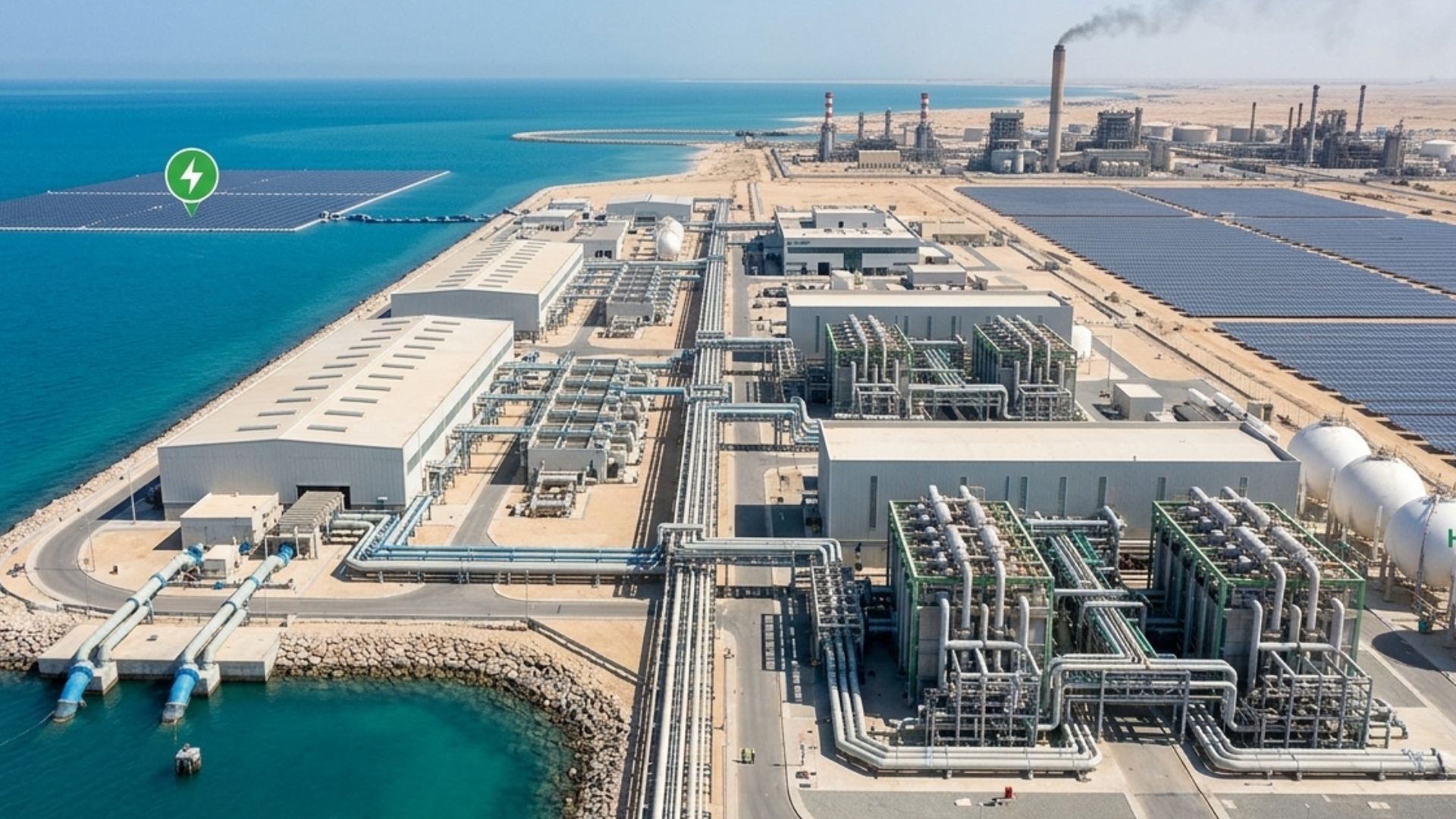
The world has bet on green hydrogen as the fuel of the future, but now faces the side effect: producing 1 kilogram requires about 9 liters of ultrapure water, and the largest projects on the planet are precisely in the driest regions of the Earth, where water is already scarce for people.



Another challenge is the cost. The turbines and blades need to be very robust since water density is 800 times greater than that of air. As a result, the initial investment becomes much higher than in sources like wind energy.
As Tigroso reinforced in 2022, technical viability requires specific conditions. The minimum difference in height between tides must be 7 meters, and the average current speed needs to reach at least 2 m/s.
International Generation Examples
Tidal energy is already operational in countries like France and South Korea. The La Rance power plant began operations in 1967, with about 250 MW of power, and the Sihwa plant started its operations in 2011, also with an approximate capacity of 250 MW.
Although both deliver competitive electricity, the environmental impacts were different. In La Rance, the closure of the estuary in 1970 brought negative effects. However, in 1976, a new ecological balance emerged. Research from 1980 showed that the area housed 110 species of worms, 47 species of crustaceans, and 70 species of fish.
In Sihwa, the results appeared more positively. Besides generating electricity, the plant helped recover a lake polluted by industrial waste and offered a new recreational area for the community.
Brazilian Potential and Recent Experiences
In Brazil, the greatest potential lies in the North and Northeast coast. In 2012, the country inaugurated the Pecém test plant in Ceará, which was interrupted in 2016 and resumed in 2017. This experience showed that, despite its viability, the environmental impacts in biodiversity areas require caution.
According to Tigroso, a promising alternative is the use of submerged turbines that work with ocean currents, in a model similar to wind turbines. This way, it would be possible to reduce the need for dams and minimize environmental damage.
Environmental and Social Impacts Under Debate
Like the international examples, experts argue that tidal energy requires rigorous environmental studies. The French experience demonstrated that, after the initial imbalance, a new ecological cycle increased biodiversity. In South Korea, the model was able to combine electricity generation and environmental recovery.
In Brazil, however, coastal ecosystems show greater sensitivity. The North region concentrates unique and very vulnerable species. Therefore, researchers advocate for transparency, cooperation, and planning for the expansion of tidal energy.
The Future of Ocean Energy
With the advance of climate change, experts see ocean energy as a key piece of the energy transition. Tigroso stressed in 2024 that universities, businesses, and governments need to work together on the development of more efficient technologies.
Besides tidal energy, other sea-related sources, such as energy from currents, waves, and temperature gradients, are also under analysis. The great challenge will be to reconcile innovation, costs, and environmental preservation.
Thus, the central question remains: will it be possible to transform the power of tides into clean electricity without compromising the oceans?








-

1 person reacted to this.