






 Portuguese
  Spanish


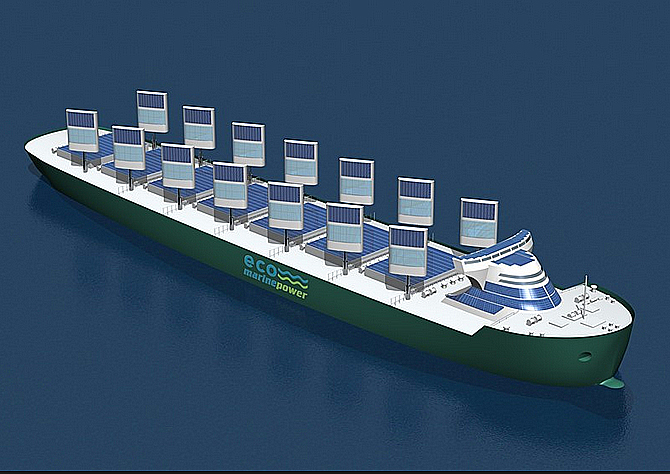

Canadian Nuclear Laboratories Win Agreement to Research Renewable Energy Technologies to Decarbonize Offshore Ships
Canadian Nuclear Laboratories (CNL), Canada’s nuclear science and technology organization, has won a contract from Transport Canada to develop an assessment tool to examine renewable energy technologies that could reduce greenhouse gas emissions and the release of other pollutants from ships.
See Also
- JBS Biodiesel is Among the First Biofuel Companies to Obtain Certification for RenovaBio
- FGV Discusses the Role of Renewable Energies in Brazil’s Energy Transition
- Multinational with Offshore Vacancy for Immediate Hiring
- UFRJ Macaé Will Receive R$305 Thousand from Ocyan for the Implementation of a Campaign Laboratory to Combat Coronavirus
Renewable Energy Technology Can Help Ships
Using what is known as the Marine-Zero Fuel TM Assessment Tool (MaZeF TM) from CNL, the goal is to help Canada evaluate and seek the use of hydrogen and other renewable energy technologies to transition from traditional fuel forms that are contributing to marine pollution and climate change.
This three-year renewable energy project is funded by the Transport Canada Innovation Centre. Once completed, the assessment tool will be applicable to maritime operations in Canada, both nationally and internationally, and comes as the Government of Canada works with the International Maritime Organization and international partners to reduce greenhouse gas emissions.
-
Brazilian scientists are simultaneously advancing two research projects on clean hydrogen and driving solutions that could transform the energy matrix, enhance industrial competitiveness, and accelerate large-scale emission reduction targets.

-
Advancement in renewable energy: A R$ 150 million project launched by Petrobras and Finep aims to create state-of-the-art electrolyzers for green hydrogen, strengthening national research and preparing Brazil to compete in a billion-dollar energy market.
-
Illiterate or semi-literate grandmothers were trained to repair solar systems, open rural workshops, and light up homes that still depended on kerosene.
-
The world has bet on green hydrogen as the fuel of the future, but now faces the side effect: producing 1 kilogram requires about 9 liters of ultrapure water, and the largest projects on the planet are precisely in the driest regions of the Earth, where water is already scarce for people.




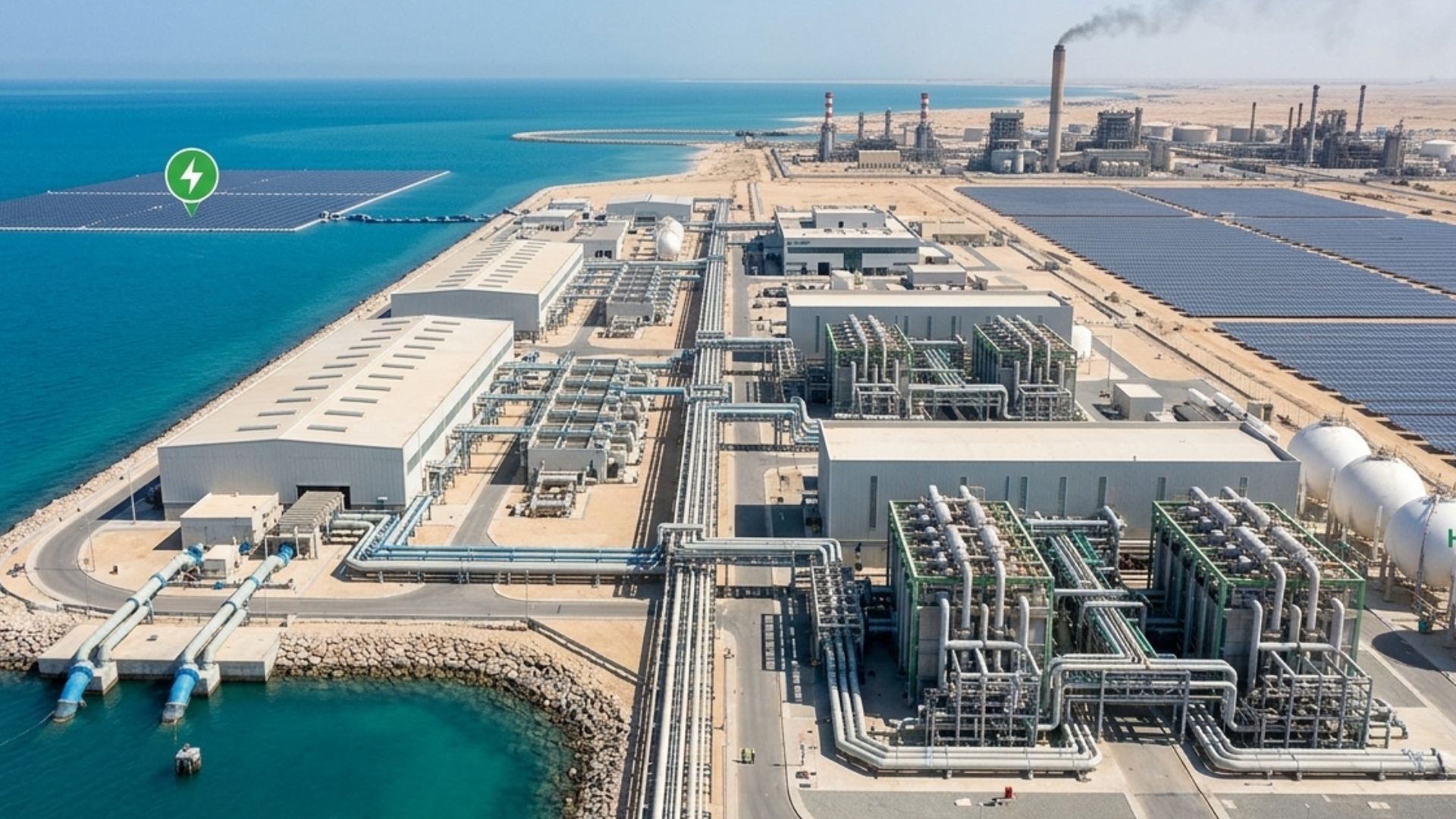
“CNL is excited to work closely with Transport Canada to help reduce greenhouse gas emissions from ships and address ongoing environmental issues in the marine sector with renewable energy,” commented Joe McBrearty, President and CEO of CNL.
Renewable Energy in the Shipbuilding Industry
The project will focus on developing the MaZeF TM assessment tool to analyze the energy ecosystem within the shipbuilding industry and identify opportunities for Canadian operators to transition to renewable energy technologies.
CNL scientists will also examine different technologies that can be used for the production, storage, and handling of hydrogen for ships.
In general, these renewable energy activities will produce a better understanding of the various propulsion methods available for ships, including fuel cell engines and ammonia combustion technologies in existing engines.









