






 Portuguese
  Spanish
  3 min of reading
  0 comments


How China’s Leadership in Solar Energy Production Is Shaping the Global Market and Influencing Countries Like Brazil. Read More!
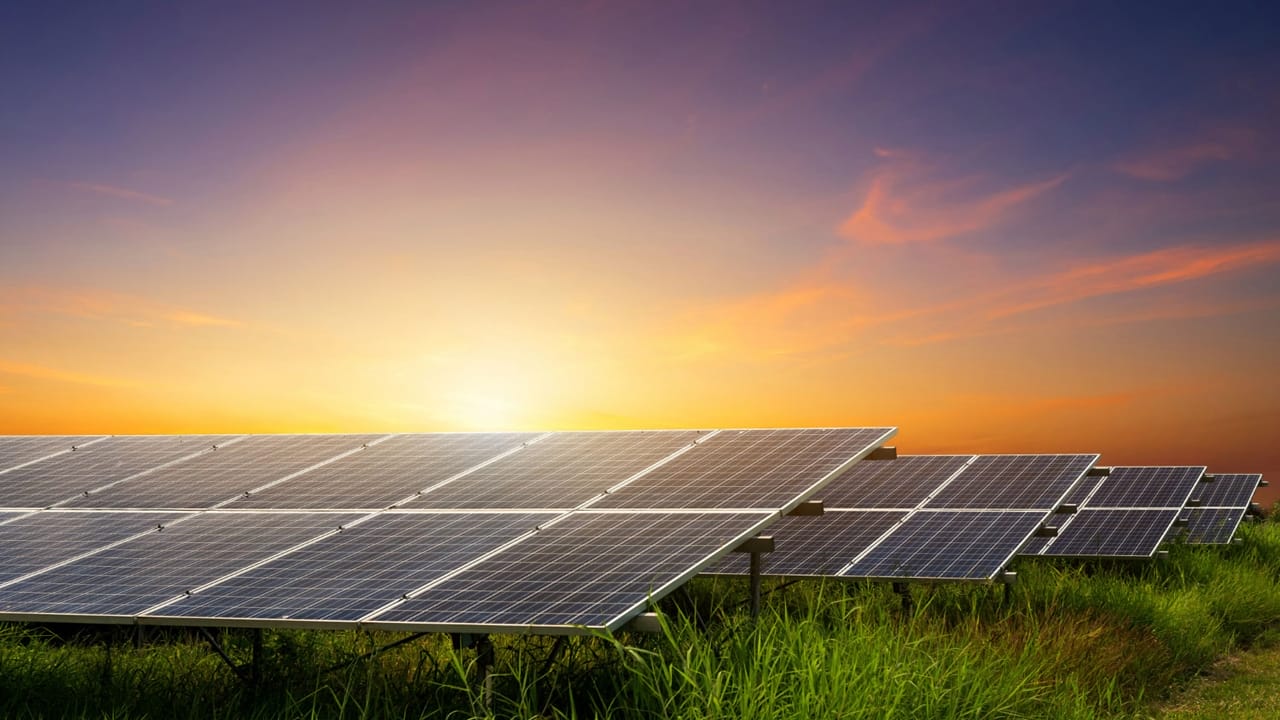
Solar energy is one of the most important sources of electricity in today’s world. One of the countries leading the production and market of solar panels is China. While some countries seek to protect their markets and maintain competitiveness, China has managed to outpace its competitors on a global scale. In this article, we will analyze how China has become an undisputed leader in solar energy production and the impact this has had on other countries.
The Rise of China in the Photovoltaic Market
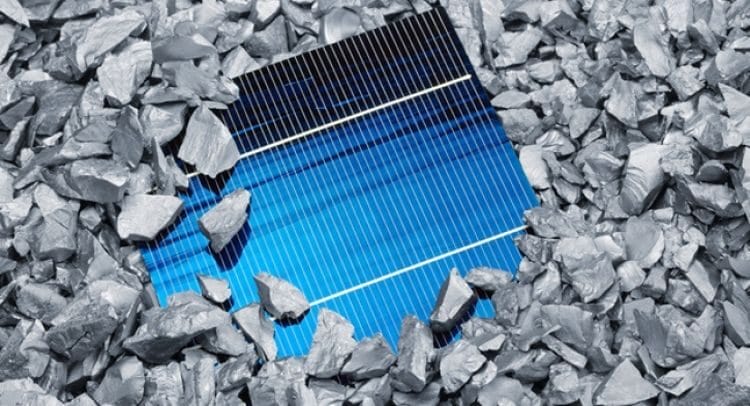
In 2007, China was facing a severe shortage of polysilicon, one of the main raw materials needed to manufacture solar panels. To address this issue, the Chinese government decided to make polysilicon production a national priority. The construction of new factories was accelerated, and a significant amount of money was injected into the facilities. As a result, China’s manufacturing capacity increased significantly. Today, China controls between 80% and 95% of the entire global solar production supply chain.
The Impact on Brazil
The impact of Chinese productivity has been felt in other countries, such as Brazil. Brazil, which has a large amount of sunshine and laws that protect local manufacturers, has experienced a boom in renewable energy. However, despite efforts to reduce dependence on China, Brazil still needs Chinese funding to advance towards green energy.
-
Brazilian scientists are simultaneously advancing two research projects on clean hydrogen and driving solutions that could transform the energy matrix, enhance industrial competitiveness, and accelerate large-scale emission reduction targets.

-
Advancement in renewable energy: A R$ 150 million project launched by Petrobras and Finep aims to create state-of-the-art electrolyzers for green hydrogen, strengthening national research and preparing Brazil to compete in a billion-dollar energy market.
-
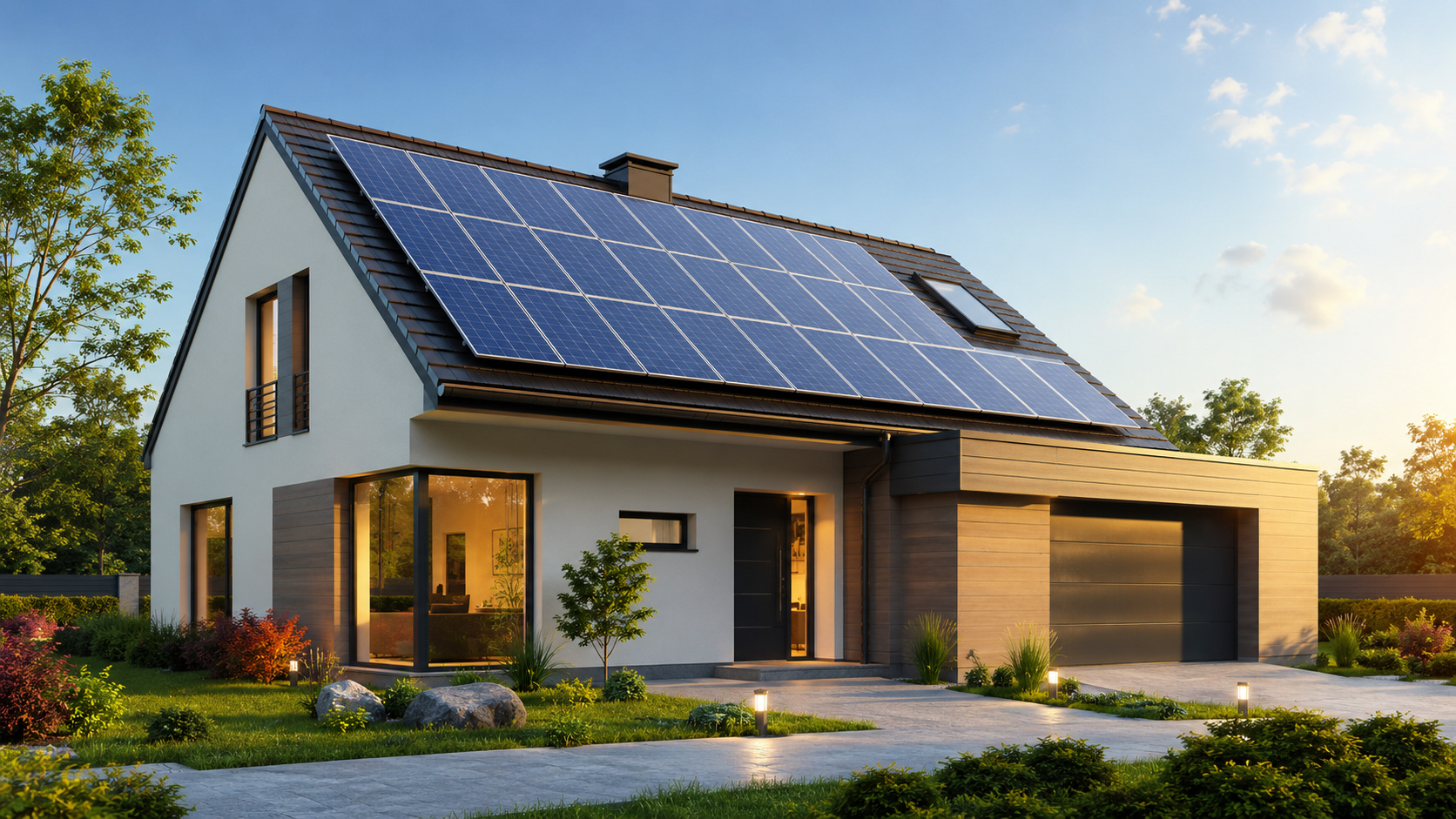
Solar energy can increase property value by up to 10% and become a selling point.
-
Illiterate or semi-literate grandmothers were trained to repair solar systems, open rural workshops, and light up homes that still depended on kerosene.



Despite efforts to reduce dependence on China, Brazil still needs Chinese funding to advance towards green energy. The partnership between the two countries has been crucial for the development of the renewable energy sector in Brazil, especially regarding the infrastructure and technology needed for the expansion of solar energy.
However, Brazil is also seeking to diversify its sources of funding and international collaborations. The country has been exploring partnerships with other nations and financial institutions to boost its transition to green energy. Additionally, the Brazilian government has encouraged investment in research and development of more efficient and sustainable technologies in the solar energy sector.
With support from international financing and favorable government policies, Brazil is well-positioned to continue its growth in the renewable energy sector. With its vast availability of natural resources and commitment to sustainability, the country has the potential to become a global powerhouse in green energy, reducing its dependence on more traditional energy sources and contributing to a more sustainable future for all.
The Price and Installation of Solar Energy
Thanks to China’s role in the solar market, solar energy has become more accessible and cheaper. Today, it is the cheapest form of electricity in most countries that use it. It is estimated that the cost of installing solar energy will continue to decrease in the coming years. However, there have also been some companies, such as Panasonic and LG, that have closed their solar panel factories due to cost increases and supply issues.
China as a Global Leader in Solar Energy Production
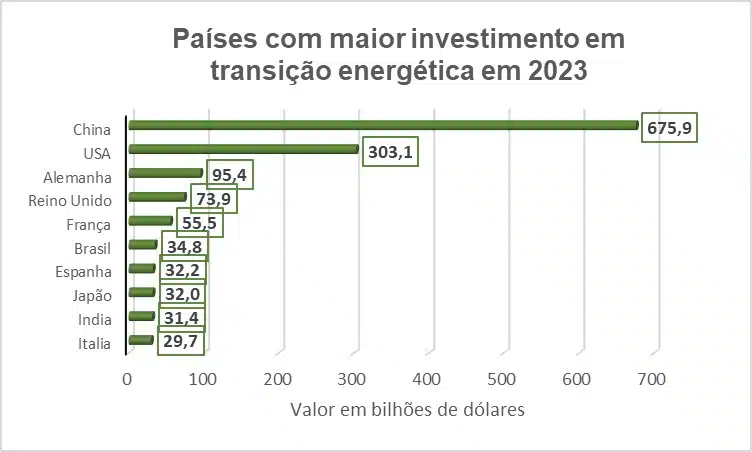
China has become a global leader in solar energy production thanks to its backing with state funding and its industrial weight. This has driven investment in solar energy globally and renewed the commitment to renewable energies. However, some argue that the rules of the game should be the same for all countries and that tariffs should be imposed on products financed by a state.
China has become an undisputed leader in solar energy production worldwide. Its manufacturing capacity, backed by government policies and state financing, has boosted the country’s competitive advantage. This has impacted other countries, some of which have struggled to protect their markets and reduce their dependence on China. While there have been benefits in terms of lower prices and greater accessibility to solar energy, there have also been challenges for local manufacturers in other countries. Solar energy will continue to play an important role in the transition to cleaner and more sustainable energy sources worldwide.








Be the first to react!