






 Portuguese
  Spanish


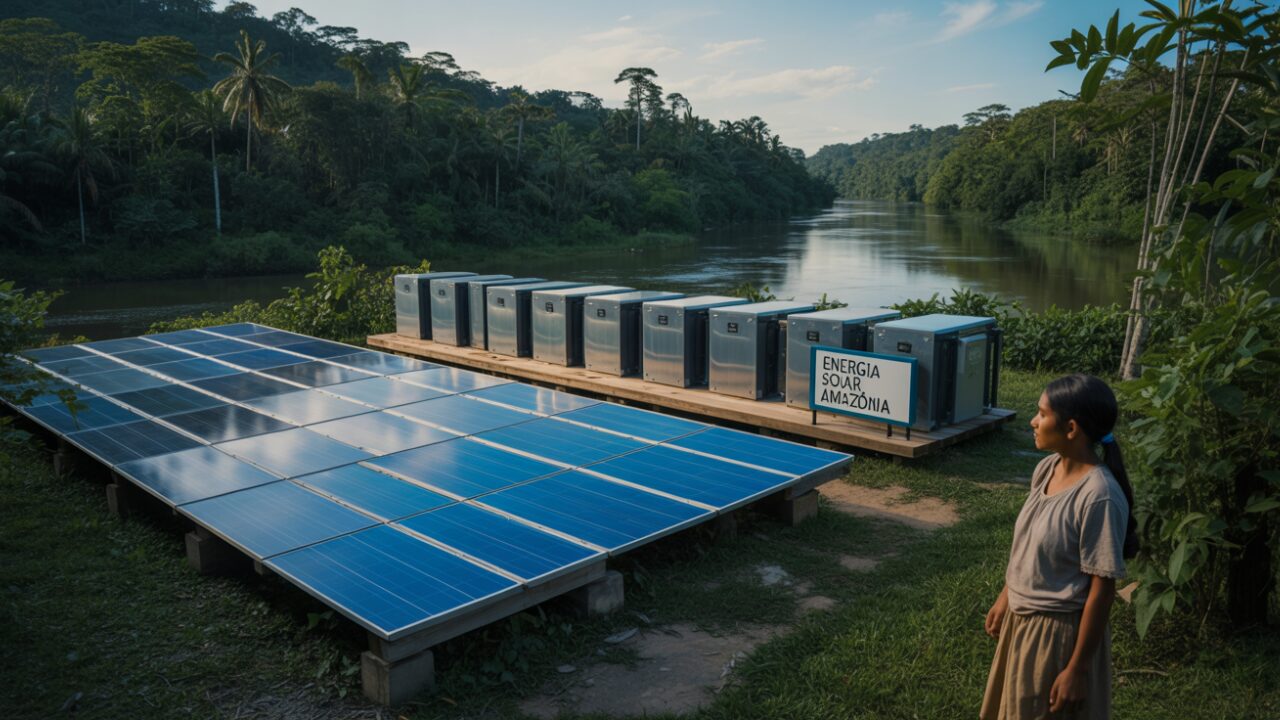

New Study Reveals That Replacing Diesel Generators With Solar Energy Systems With Batteries Can Represent Savings of Up to 44% on the Electricity Bill in Remote Areas of the Legal Amazon, As Well As Generate Positive Social and Environmental Impacts.
A recent survey indicates that the use of solar energy combined with batteries can significantly reduce electricity expenses in remote communities of the Legal Amazon.
The replacement of polluting and expensive diesel generators with more efficient photovoltaic systems can result in a reduction of up to 44% in monthly energy costs, in addition to providing continuous supply, which is rare in these regions.
High Diesel Costs Are Still a Reality in the Amazon
Families living in remote areas of the Amazon region can spend up to R$ 900 per month for limited access to electricity, usually available for only 6 to 8 hours a day, according to the study “Decarbonization of Isolated Systems in the Amazon,” commissioned by the National Front of Energy Consumers.
-
Island in Brazil Innovates by Installing 184 Solar Panels on Urban Lagoon to Generate Clean Energy

-
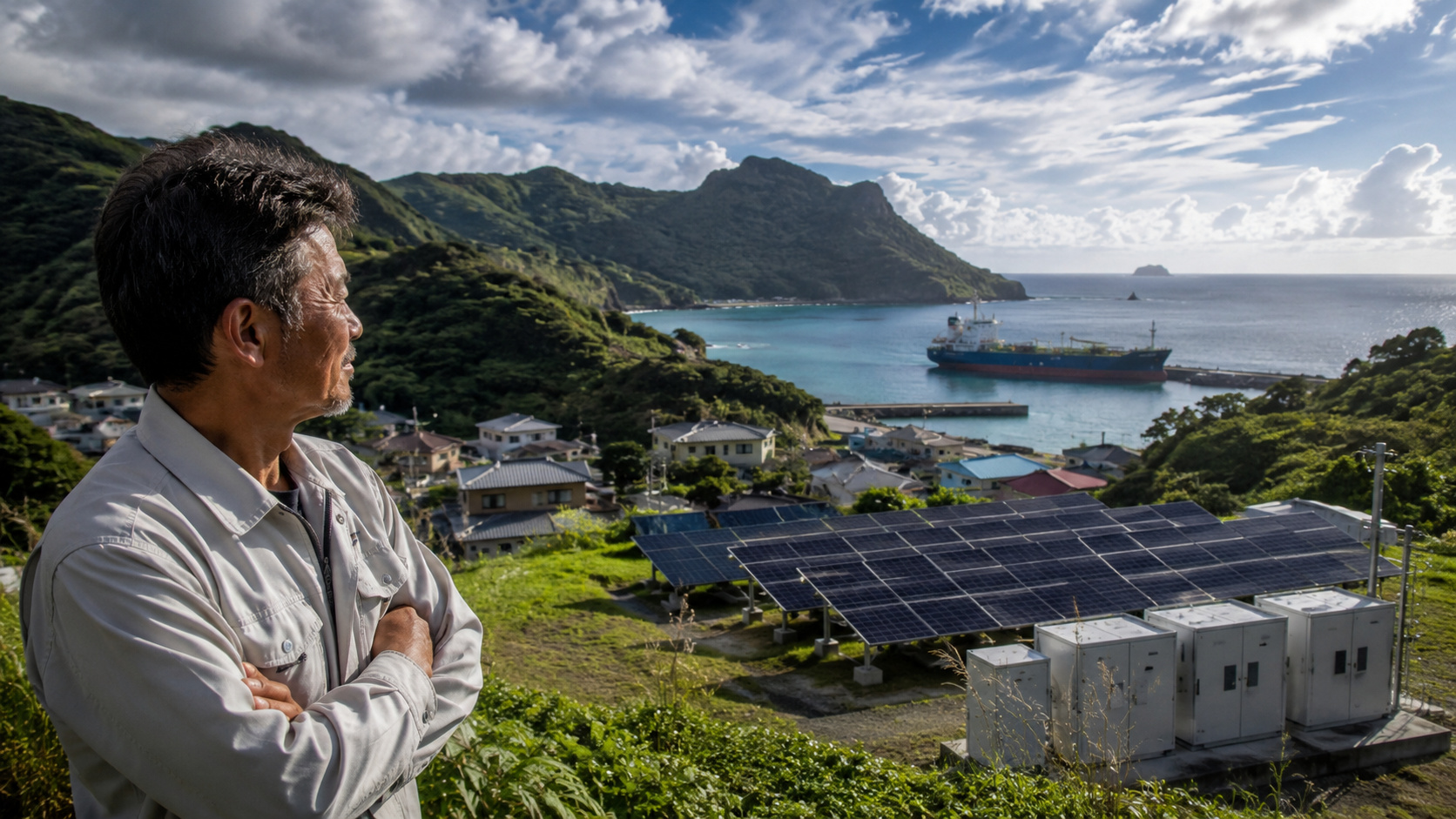
Japanese Island of 417 Residents to Test Living Half the Year Solely on Solar Power, Reducing Dependence on Diesel Brought by Ship
-
Brazilian Fishermen Use Solar Power to Produce Nearly One Ton of Ice Daily, Preventing Fish Spoilage Before Reaching Market
-
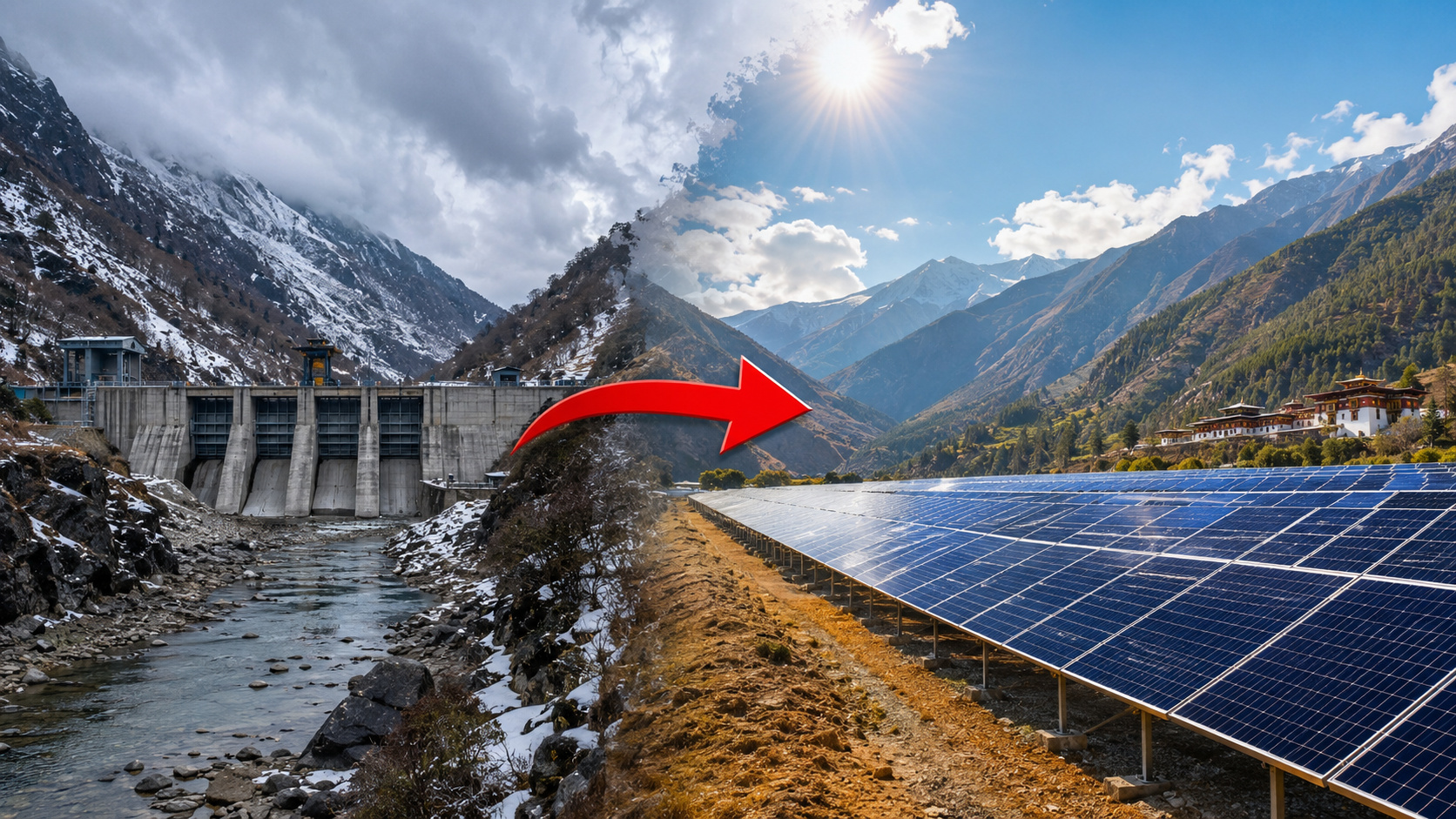
Brazil, known for its river-powered energy, installs solar plant in mountains to boost winter electricity production


This high cost is linked to the use of diesel generators, which, in addition to being inefficient, rely on fuel with high prices and complex logistics for transportation to hard-to-reach areas.
Clean and Constant Energy With Solar Systems
The research found that the adoption of small-scale solar systems with battery support can provide energy for 24 hours a day, increasing the autonomy of communities and reducing environmental impacts.
The initial investment is higher, but the long-term benefits include savings on fuel and lower operating costs.
“Although it requires a higher initial investment, solar energy becomes economically advantageous by eliminating recurring fuel expenses; and offering continuous returns after installation.”
In addition to financial savings and environmental preservation, stable energy supply is essential for improving living conditions.
Without regular electricity, many adults cannot work from home, students face difficulties studying at night, food is not properly preserved, and small businesses have their activities limited.
“The lack of continuous energy supply prevents adults from working from home; young people and children from studying at night; food from being adequately refrigerated; or small businesses from thriving.”
Almost 3 Million Live Without Energy in the National System
Brazil still has about 4 million people without adequate access to electricity, of which 2.7 million are in Isolated Systems (SISOL), which operate off the national interconnected grid.
In these locations, electricity is generated almost exclusively by fossil means.
Solar Energy Is Key to a Sustainable Future in the Amazon
Solar energy with batteries emerges as a sustainable and viable solution for the Amazonian reality, reducing costs, expanding access to electricity, and contributing to the decarbonization of the energy matrix in the region.
The initiative also strengthens local autonomy, boosts development, and protects the environment, proving to be a decisive step towards energy justice in deep Brazil.


