






 Portuguese
  Spanish


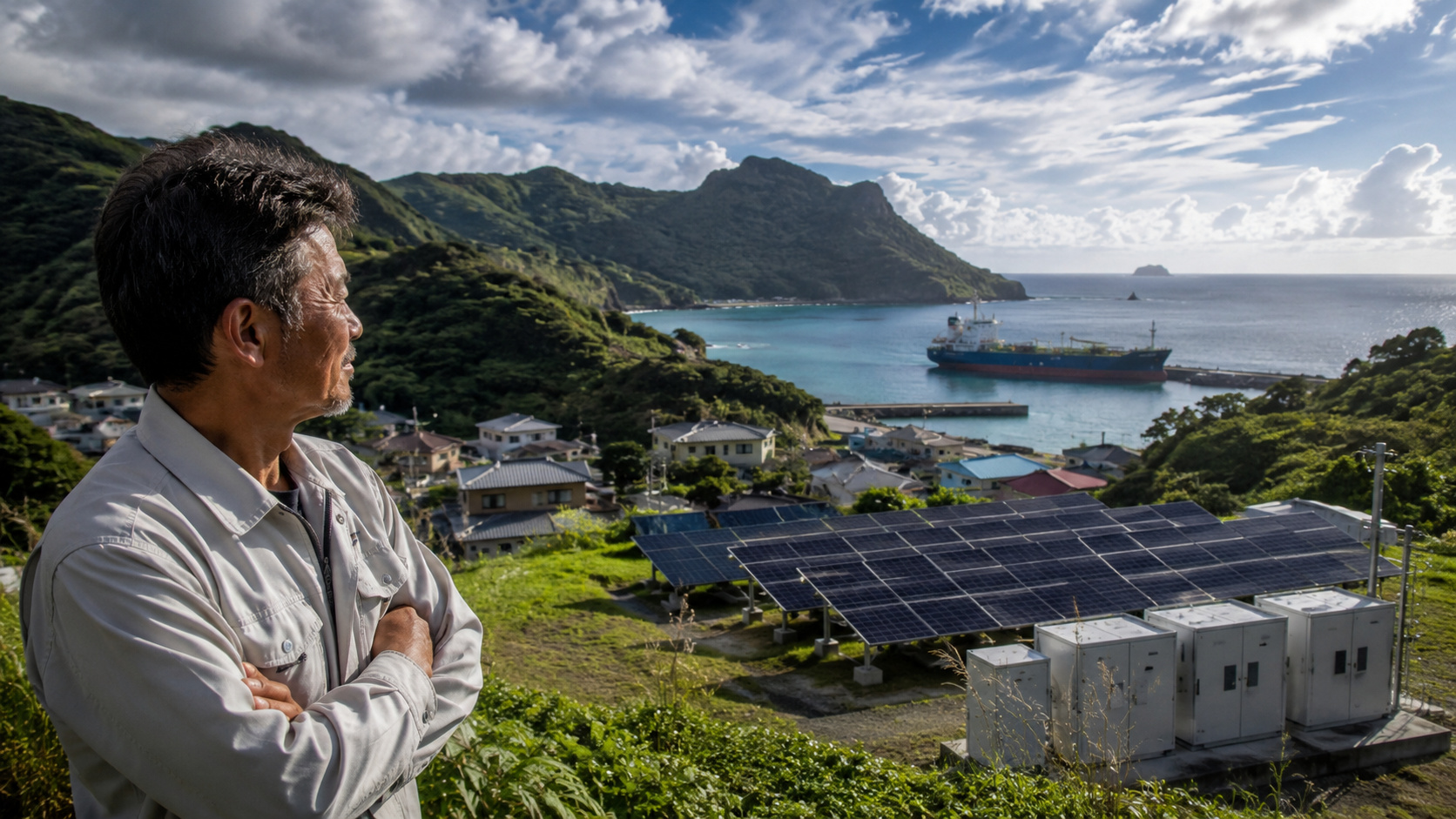

In Hahajima, in the Ogasawara archipelago, a three-year project combines solar energy in Japan, batteries, and smart equipment to reduce dependence on diesel brought by ship and test more electrical autonomy on a small island
Even in Japan, an island with 417 residents still depends on diesel brought by ship and is now testing living half the year with solar energy. The experiment is taking place in Hahajima, in the Ogasawara archipelago, a region administered by Tokyo and distant from the center of the Japanese capital.
The information was published by the Tokyo Metropolitan Government, a local government body of Tokyo. The project began in August 2025 and is scheduled for demonstration until August 2028, with solar panels, batteries, and energy control equipment.
The proposal is simple. The island wants to use its own sun to generate electricity for about half the year, reducing dependence on diesel-powered generators and fuel that needs to come from outside.
-
Brazilian Fishermen Use Solar Power to Produce Nearly One Ton of Ice Daily, Preventing Fish Spoilage Before Reaching Market

-
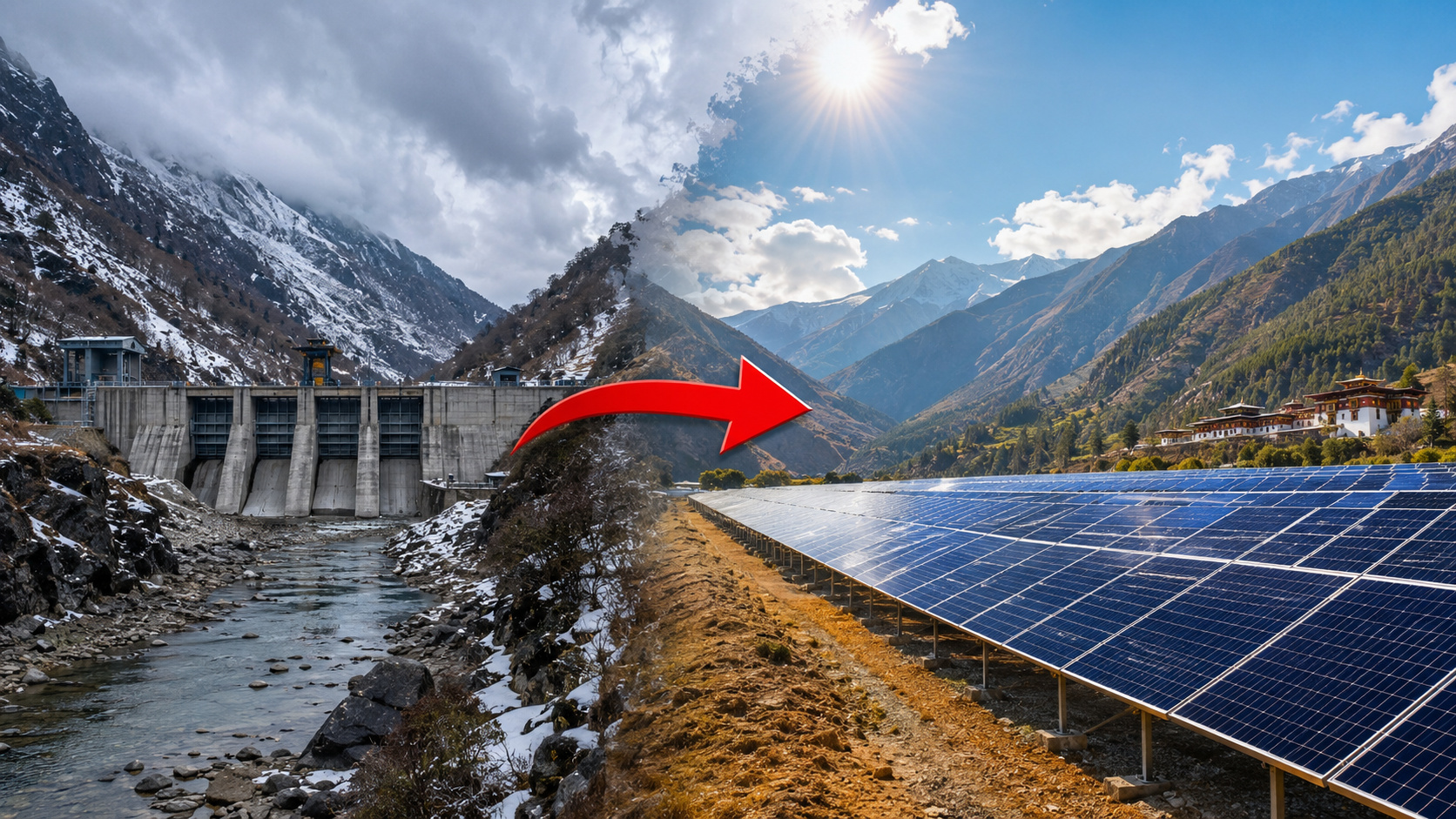
Brazil, known for its river-powered energy, installs solar plant in mountains to boost winter electricity production
-
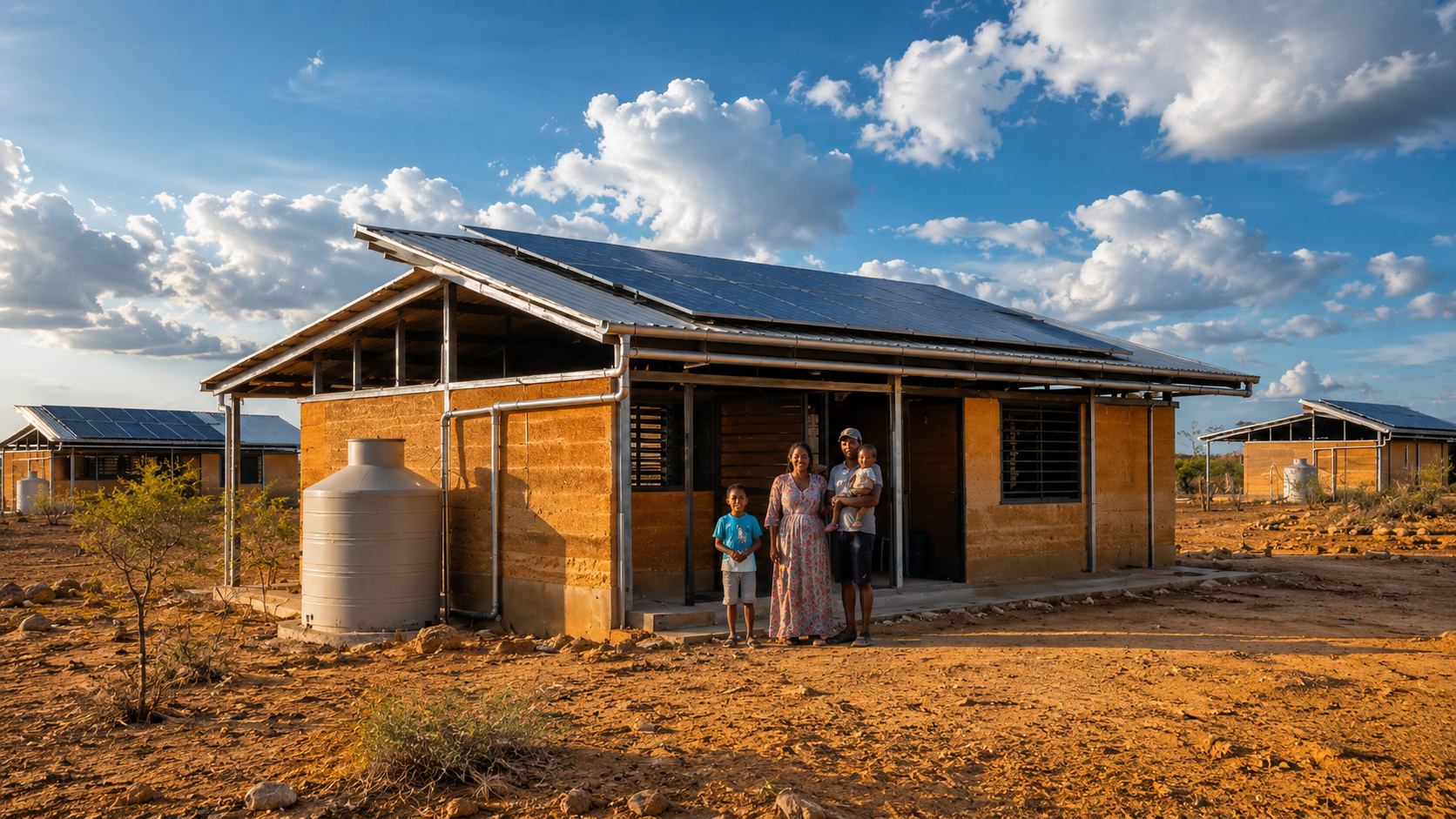
In Colombia’s desert, 30 families receive 80 m² homes with solar panels, waterless toilets, and rainwater collection systems amid water and energy shortages.
-
Solar Energy Booms in Brazil: Over $60 Billion Invested, 68.8 GW Capacity, 2 Million Jobs Created, Now Second in National Power Grid


Japanese island with 417 residents reveals a little-remembered problem in a technological country
Japan is often associated with fast trains, large cities, and advanced technology. However, Hahajima shows another reality: even in a rich and modern country, small and remote communities can still depend on transported fuel.
The island is part of the Ogasawara archipelago, located in the Pacific Ocean. The distance to the center of Tokyo creates a practical challenge to maintaining electrical energy safely.


When an island depends on diesel brought from outside, electricity becomes linked to the transportation of fuel. This makes the system more sensitive to delays, costs, and supply difficulties.
Therefore, the test with solar energy, batteries, and smart control is not just about sustainability. It also seeks to provide more resilience to the island’s routine and reduce the fragility caused by dependence on external fuel.
Three-year project attempts to make Hahajima operate solely on solar energy for half of the year
The demonstration began in August 2025 and ends in August 2028. During this period, the island tests a combination of solar panels, storage batteries, and equipment that controls electricity.
The goal is to supply the entire island solely with solar energy for about half of each year. This means that, for a significant part of the calendar, solar energy can take the lead role in local supply.
The batteries act as a backup. They store part of the electricity generated by the solar panels and help when production drops, such as during times with less sun.
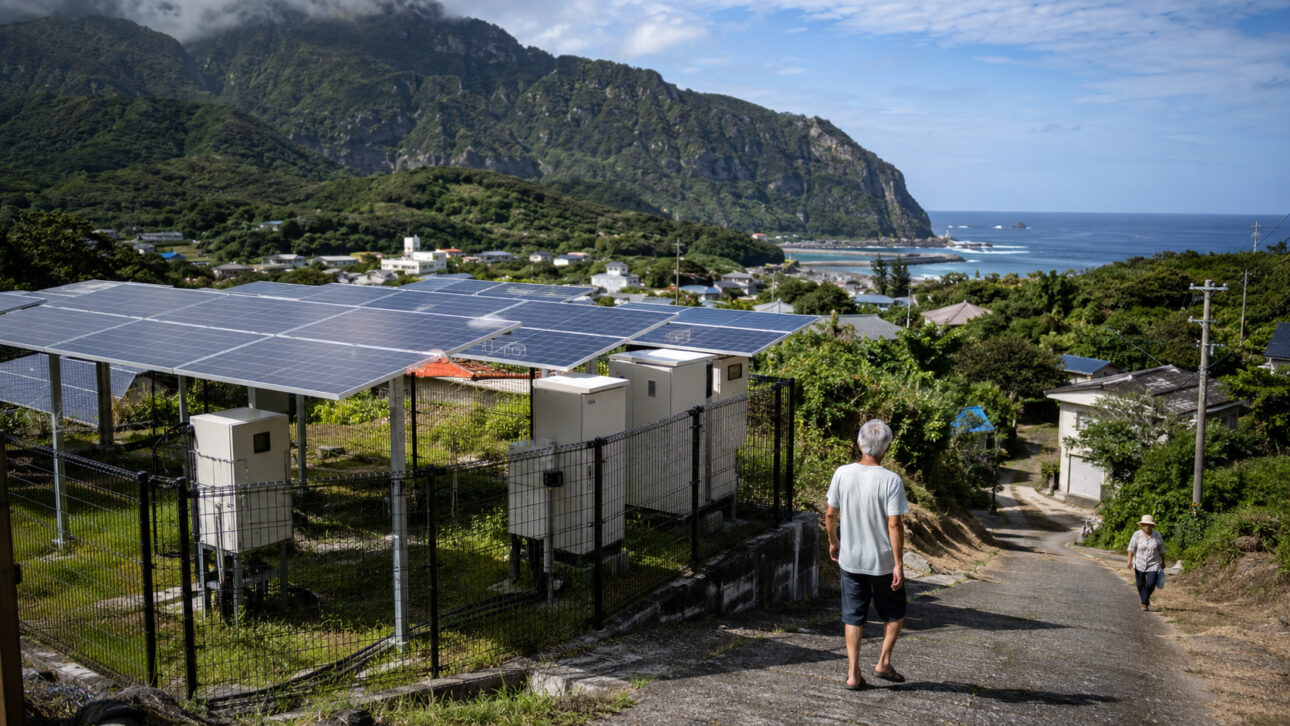
The control equipment organizes the system’s operation. In practice, they help balance the energy produced, the energy stored, and the energy used by the residents.
Tokyo Metropolitan Government detailed panels, batteries, and smart control
The information was released by the Tokyo Metropolitan Government, a local government agency of Tokyo. The initiative involves two solar plants with a combined production of approximately 1.5 megawatts, installed on land owned by the local government itself.
These plants are located outside the World Natural Heritage area. This point is important because Ogasawara has recognized environmental value and hosts species that have developed in unique oceanic island conditions.
The project also involves the Village of Ogasawara and the Tokyo Electric Power Grid Company. The participation of these institutions is reflected in the agreement that supports the demonstration in Hahajima.
The main point is straightforward: the island is testing a structure capable of producing, storing, and controlling electricity locally, without relying so much on diesel brought by ship.
Solar energy can reduce dependence on diesel brought from outside
The biggest practical change is in the source of energy. Instead of relying solely on transported fuel, Hahajima attempts to produce a significant part of the electricity within the island itself.
This does not mean that all diesel disappears at once. The project tests the exclusive use of solar energy for about half of the year, within a demonstration period.
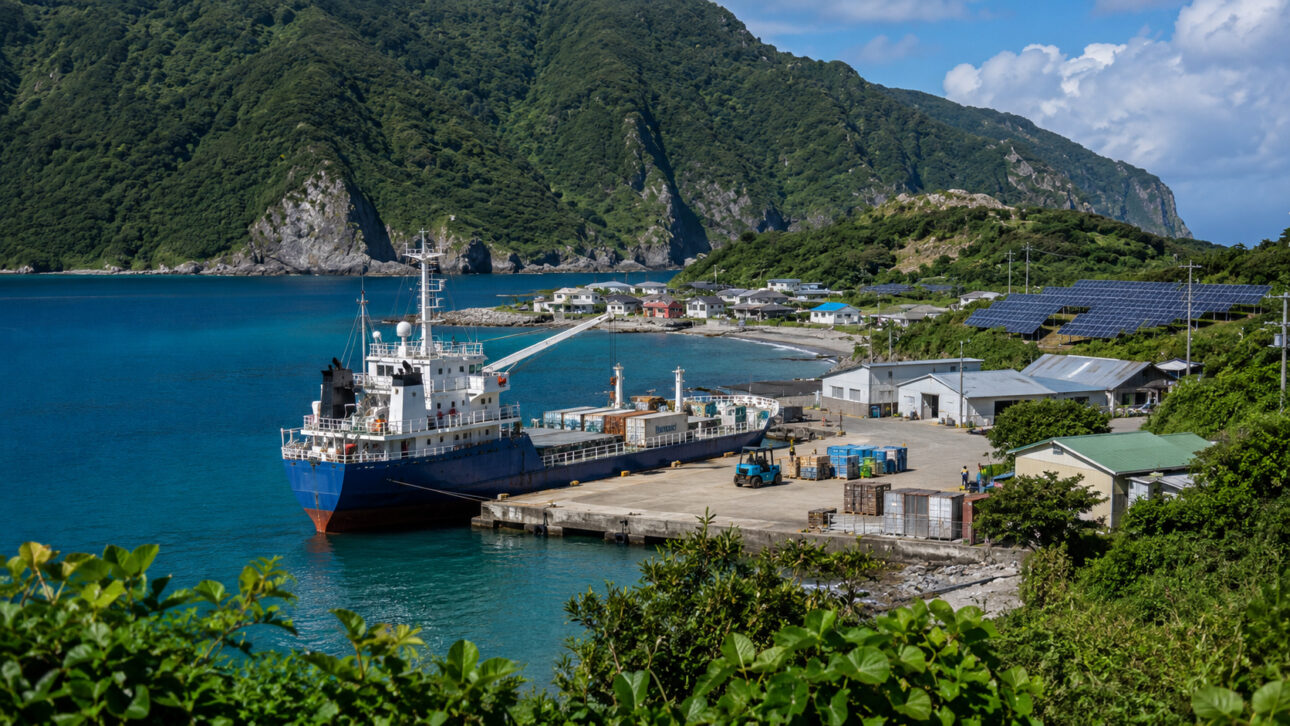
Even so, the change can strengthen local electrical security. The more energy the island can generate on its own, the less pressure there is on the external fuel supply.
In remote communities, this difference matters. Electricity sustains homes, services, communication, and basic day-to-day activities.
Ogasawara combines protected nature and the search for cleaner energy
The Ogasawara archipelago is located about 1,000 kilometers south of central Tokyo. The region comprises subtropical islands, marine life, and plant and animal species with unique characteristics.
In June 2011, the Ogasawara Islands were designated as a UNESCO World Natural Heritage site. This context helps explain the care taken with the location chosen for the solar plants.
The installation on land outside the protected area shows that energy projects in sensitive regions need to consider more than just electricity production. The occupied space also matters.
In the case of Hahajima, the test attempts to combine renewable generation, landscape protection, and more autonomy for a small community.
Test in Hahajima can inspire other remote islands
The experience in Hahajima is not a ready-made solution for all islands. Each community has its own climate, consumption, distance, terrain, and needs.
Even so, the case shows a possible path for places that depend on diesel. The combination of solar panels, batteries, and smart equipment can help remote communities produce more local energy.
The curious detail is that this is happening in Japan. The image of a highly technological country contrasts with a small island that still needs diesel brought by ship to maintain its electricity.
Between 2025 and 2028, the operation of the system will indicate how far solar energy can sustain Hahajima for long periods of the year.
The experience brings together a strong fact: an island of 417 residents attempts to use only solar energy for about half of the year. To achieve this, it relies on local generation, batteries, and intelligent control.
The project does not eliminate all energy challenges in remote islands. However, it shows how small communities can seek more autonomy and reduce dependence on fuel transported by sea.
If even a Japanese island still faces this challenge, which remote regions of Brazil could also gain autonomy with local solar energy? Share your opinion.


