






 Portuguese
  Spanish
  3 min of reading
  0 comments


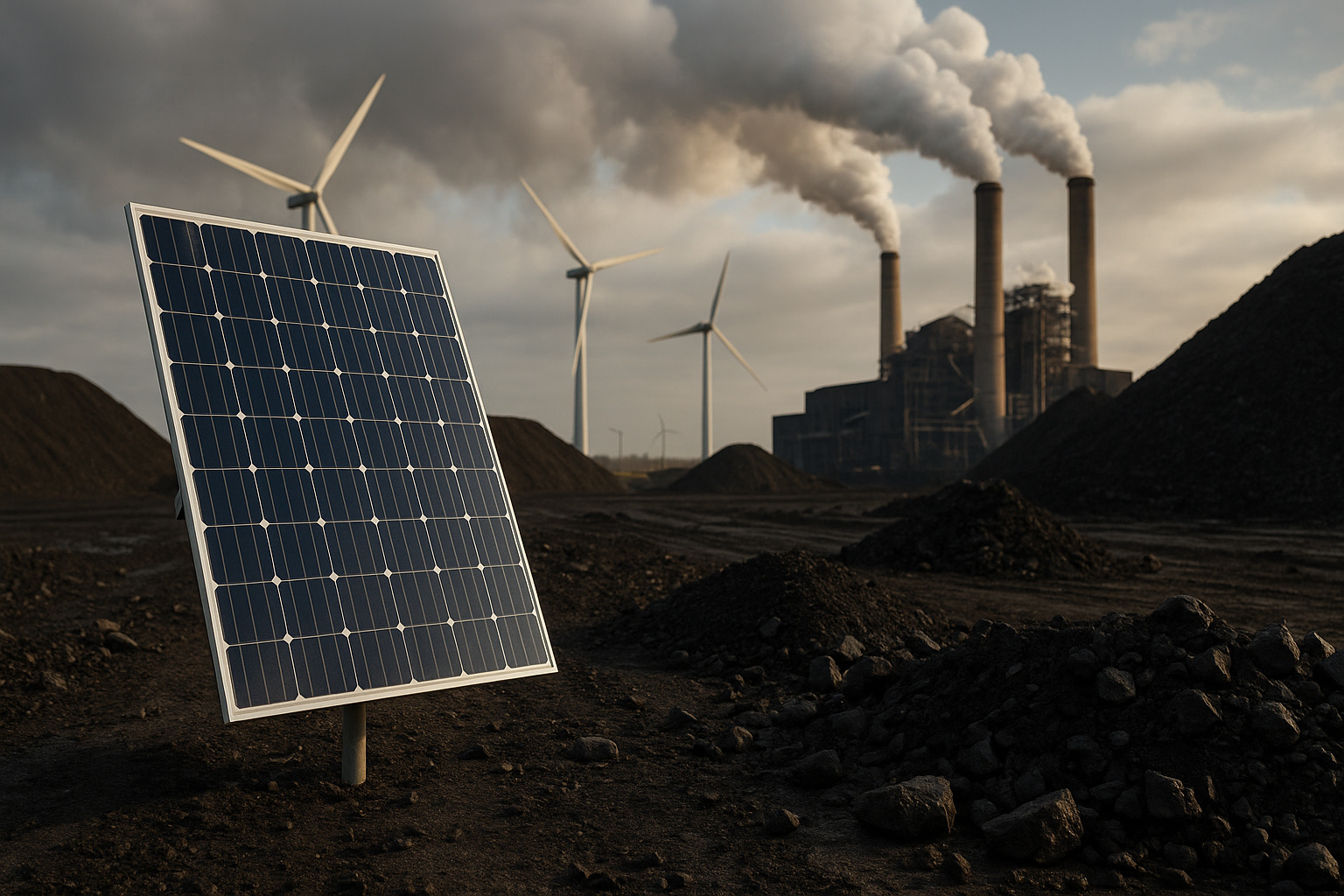
Renewable Sources Surpass Coal and Mark a Turning Point in Global Energy History, Driven by Advances in Solar and Wind.
The world has just witnessed an unprecedented feat in its energy trajectory. According to the think tank Ember, in October 2025, clean energy generation surpassed coal use for the first time in modern history.
According to the report, solar and wind energy produced 5,072 TWh in the first half of 2025. In the same period, coal generated 4,896 TWh, confirming the historic turning point. This milestone represents the beginning of a new era in the global energy transition, driven by technology, sustainability, and lower costs.
The Accelerated Growth of Renewable Sources
Even with a 2.6% increase in global electricity demand, clean sources met all growth and even reduced dependence on fossil fuels.
-
Brazilian promises his children to save a river, creates an eco-barrier in his backyard, has already removed more than 40 tons of trash from the water, and even inspires the idea in other states of the country.

-
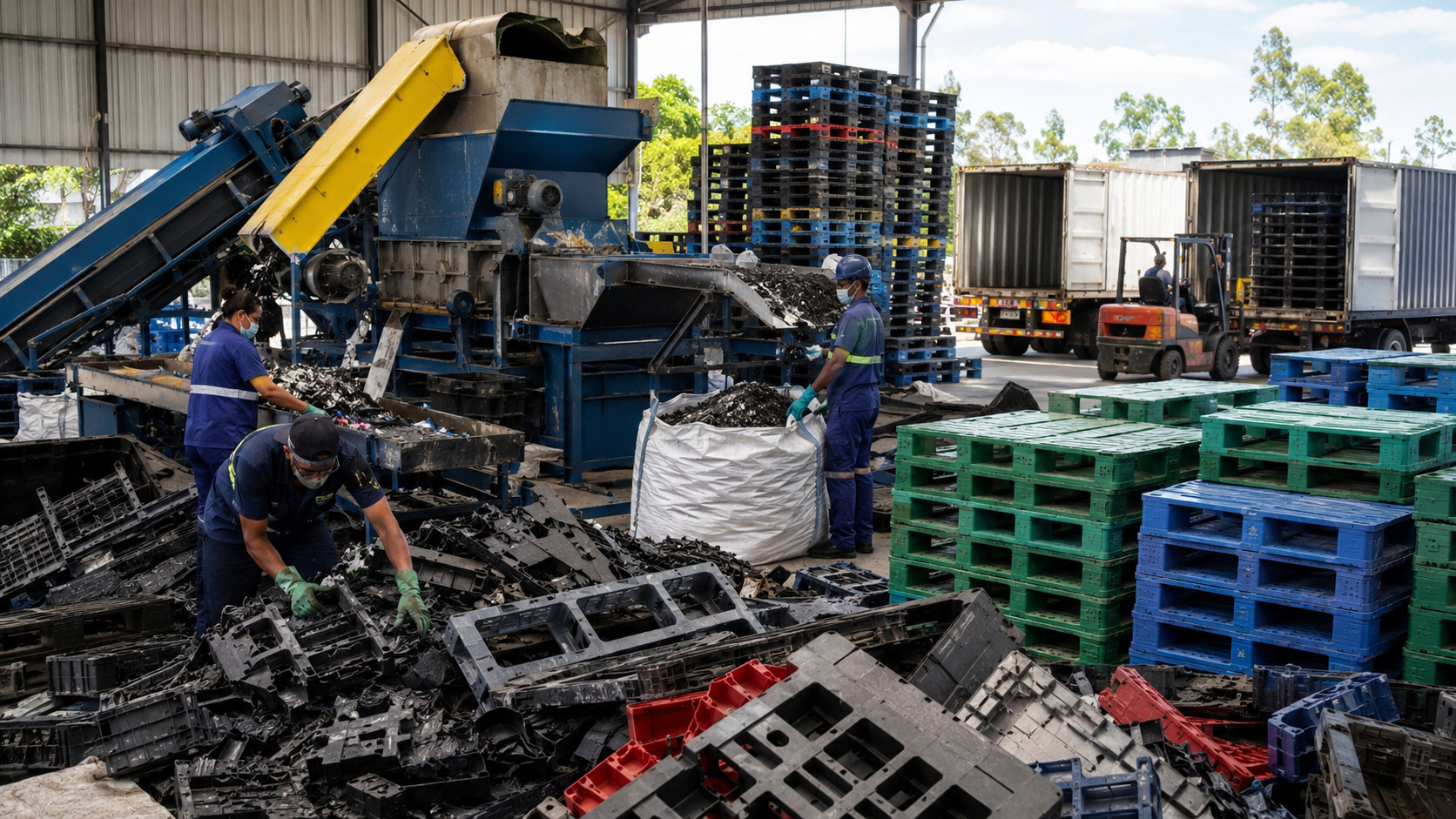
How a Brazilian company created a system that transforms broken pallets of any brand into new assets, recycles 80 tons of plastic per month, and found a profitable solution to a problem that challenges industries across the country.

-
Invasive bullfrog capable of devouring other amphibians and laying up to 20,000 eggs is found in Florianópolis, raising an alert about the threat to native fauna.
-
It looks like a baby, but it’s an adult: meet the Bornean pygmy elephant, the smallest elephant in the world threatened by habitat loss.



Solar generation grew 31%, equivalent to 306 TWh, while wind advanced 7.7%, with 97 TWh additional in the same period. These numbers indicate a decline of 0.6% in coal production and 0.2% in natural gas, according to data from Argus Media and IEA.
These results reinforce that renewable energy is becoming the central axis of the global electric matrix, with rapid and constant expansion in all regions.
China and India Lead the Global Energy Transition
China has become the protagonist of this transformation. The country installed more solar and wind capacity than the rest of the world combined, reducing its fossil generation by 2% in just six months.
On the other hand, India also made significant progress. The country recorded a 25% growth in solar energy and 29% in wind, leading to a 3.1% decrease in coal and natural gas use.
These two Asian countries represent the global engine of the transition, showing that it’s possible to grow economically and reduce emissions at the same time.
Brazil Reaffirms Its Leadership in Clean Energy
Brazil remains one of the most sustainable nations on the planet. According to the Electricity Trading Chamber (CCEE), 93.1% of the electricity generated in 2023 came from renewable sources.
In addition to hydropower, the country also stood out in wind, solar, and biomass energy, especially with sugarcane bagasse. This diversified matrix reinforces Brazil’s role as a global reference in clean energy and decarbonization.
Solar Explosion in Emerging Countries
The advance of clean sources is not limited to major powers. In low-income countries, solar energy has grown remarkably, expanding access to sustainable electricity.
Pakistan, for example, imported in 2024 solar panels with a total capacity of 17 GW, double the amount recorded in 2023. This number represents almost one-third of the country’s electricity generation.
In Africa, the expansion was also notable. Imports of solar panels grew 60% in one year, driven by countries such as South Africa, Nigeria, Zambia, Botswana, and Algeria.
These results show that solar energy is becoming democratized, reaching regions that previously relied exclusively on fossil fuels.
China Dominates the Global Market for Green Technologies
China not only leads in generation but also dominates the sustainable technology sector. In August 2025, the country reached US$ 20 billion in green product exports, according to Bloomberg.
This growth was driven mainly by electric vehicles and rechargeable batteries, which have already surpassed the value of solar panel exports. This reinforces China’s role as a global center for the low-carbon industry.
Additionally, investments in innovation and research solidify China as a leader in the global race for climate neutrality.
The Global Impact and the Beginning of a New Energy Era
According to Ember, this moment marks a “crucial turning point” in the global energy matrix. Although coal has not yet disappeared, the decline trend is irreversible.
The transition, however, requires ongoing investments in infrastructure, storage, and smart grids, to ensure a stable and efficient supply. Experts warn that the challenge now is to sustain the pace of clean energy expansion without compromising the stability of electrical systems.
With decreasing costs and increasing efficiency, renewable energies are consolidating as the engine of the new global economy.
In light of this historic milestone, an inevitable question arises: Is the world really ready for a 100% clean and sustainable era?







Be the first to react!