






 Portuguese
  Spanish
  5 min of reading
  0 comments


Brazil Reaches New Milestone: Solar And Wind Energy Surpasses 34% Of The Electricity Matrix In Brazil, Strengthening Diversification And Boosting The Energy Transition.
Brazil is experiencing, without a doubt, a historic moment in its energy sector.
In August 2025, for the first time, solar and wind energy surpassed 34% of the electricity matrix in Brazil, according to official data analyzed by the expert group Ember.
This advance represents not only a production record but also a profound change in how the country generates and consumes energy.
-
Brazilian scientists are simultaneously advancing two research projects on clean hydrogen and driving solutions that could transform the energy matrix, enhance industrial competitiveness, and accelerate large-scale emission reduction targets.

-
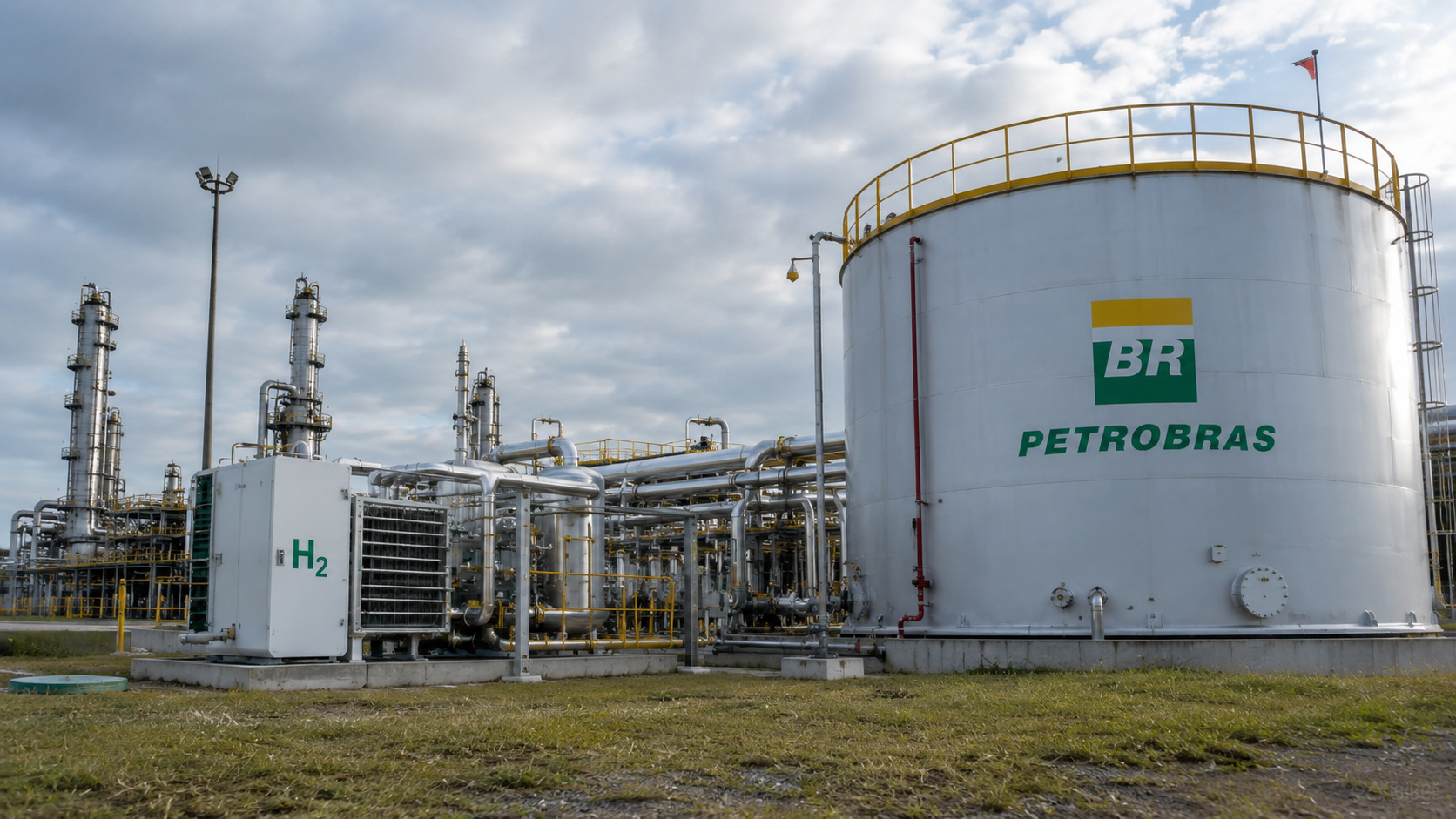
Advancement in renewable energy: A R$ 150 million project launched by Petrobras and Finep aims to create state-of-the-art electrolyzers for green hydrogen, strengthening national research and preparing Brazil to compete in a billion-dollar energy market.
-
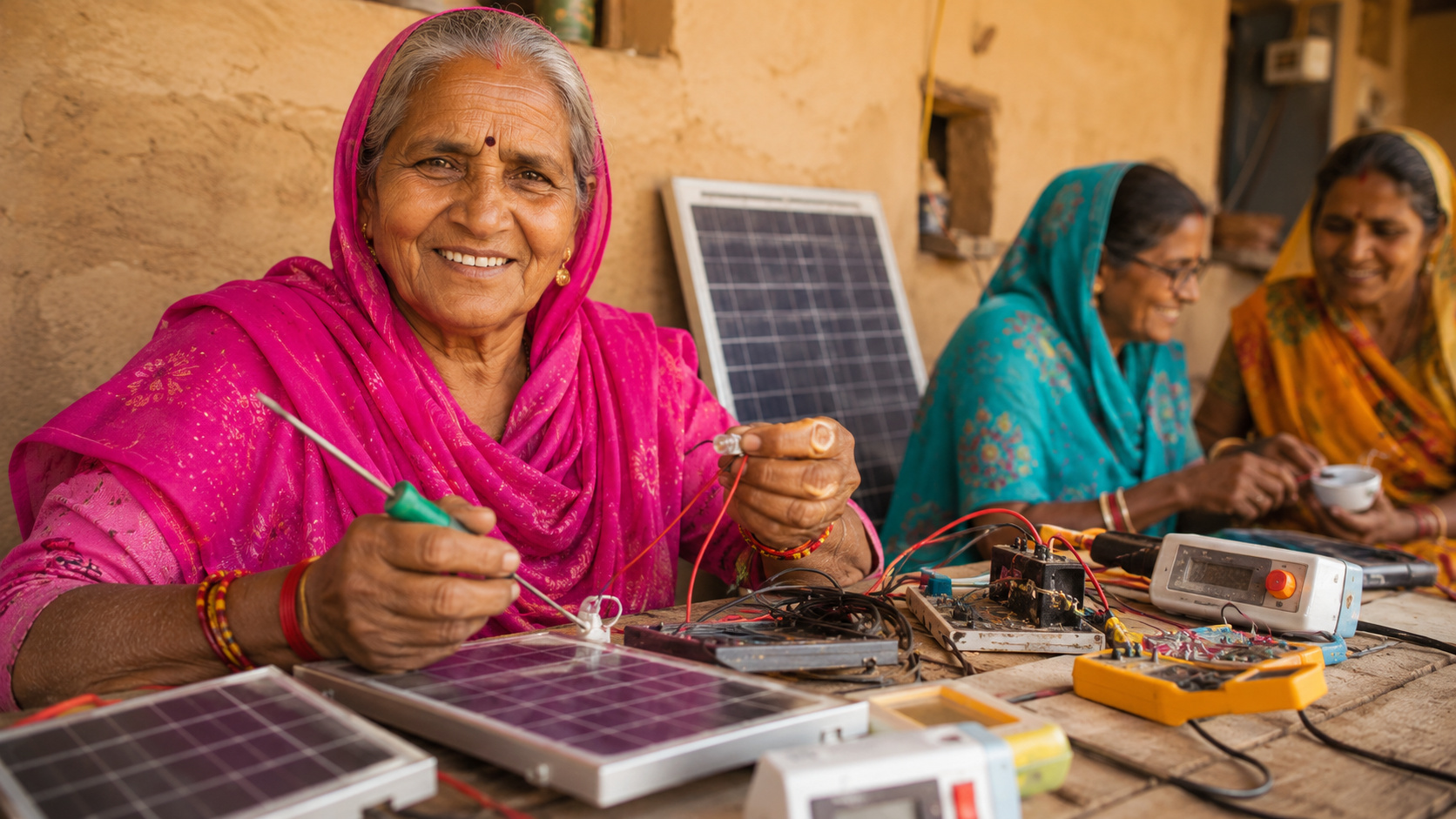
Illiterate or semi-literate grandmothers were trained to repair solar systems, open rural workshops, and light up homes that still depended on kerosene.
-
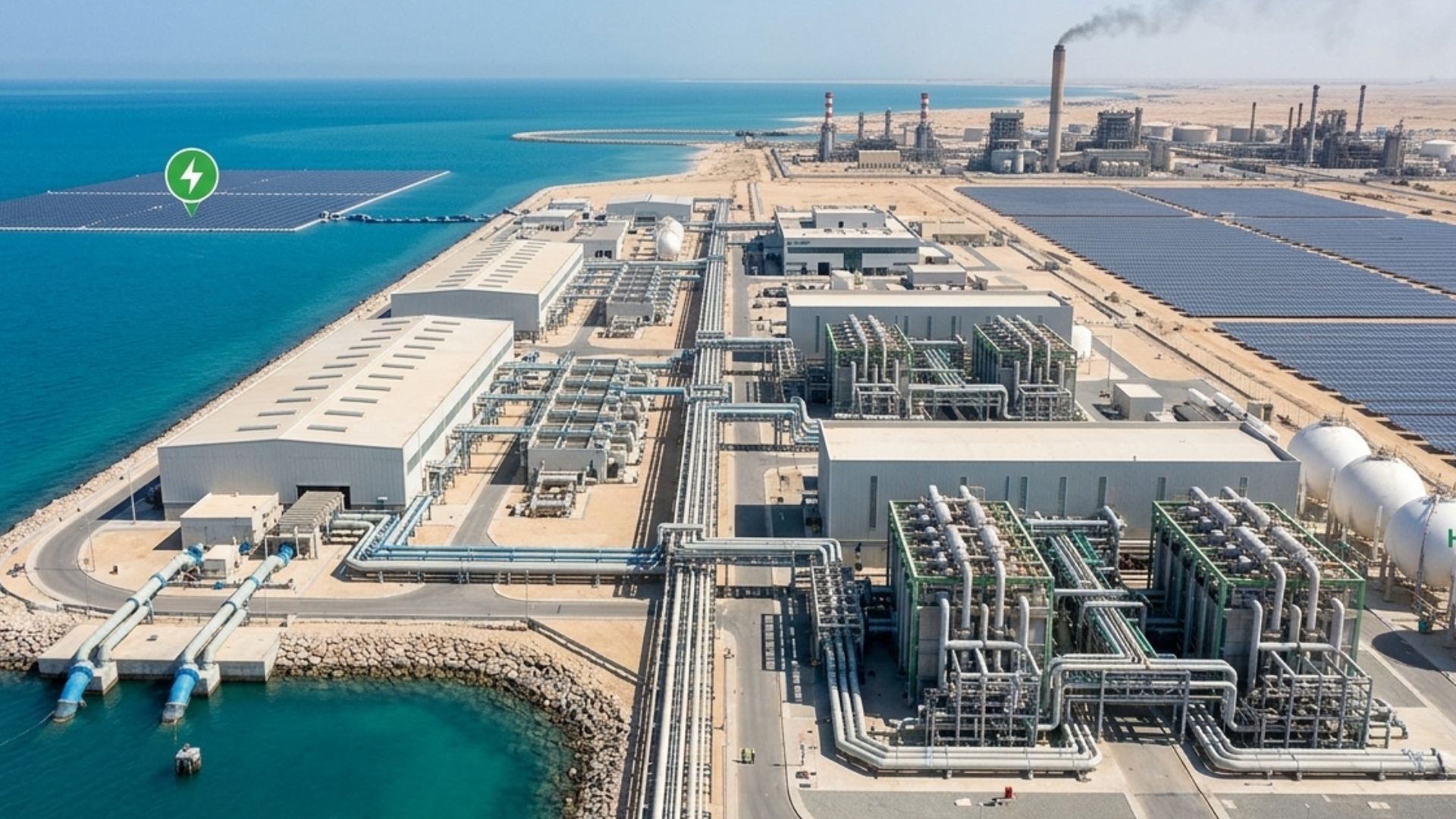
The world has bet on green hydrogen as the fuel of the future, but now faces the side effect: producing 1 kilogram requires about 9 liters of ultrapure water, and the largest projects on the planet are precisely in the driest regions of the Earth, where water is already scarce for people.


In recent years, the country has heavily invested to transform the energy sector, consequently reducing dependence on fossil fuels and hydropower.
Historically, Brazil has stood out due to the predominance of hydropower. Since the mid-20th century, large plants like Itaipu, Belo Monte, and Tucuruí have consolidated the production of electricity based on water.
This has made the country one of the world leaders in clean energy. However, the variability of rainfall has shown that relying exclusively on hydropower can pose risks to energy supply.
Moreover, the expansion of renewable energies reflects a historic effort to modernize the electricity matrix in Brazil.
Since the 2000s, incentive programs for wind and solar energy have emerged precisely to diversify the energy matrix and reduce greenhouse gas emissions.
Public policies, renewable energy auctions, and public-private partnerships have created a favorable environment for consistent investments in clean generation.
Accelerated Growth Of Solar And Wind Energy
The growth of solar and wind energy in Brazil results from decades of investments and public policies aimed at diversifying the electricity matrix in Brazil.
In 2019, the contribution of solar energy was just 1%, while wind energy accounted for about 8.8%.
In five years, these numbers have evolved significantly: by 2024, solar reached 9.6% and wind 15% of national electricity generation.
This increase not only expanded installed capacity but also strengthened the resilience of the Brazilian electrical system during periods of drought or low hydropower generation.
In August 2025, the combined production of solar and wind energy reached 19 terawatt-hours (TWh), enough to supply 119 million Brazilian households.
This figure surpassed the previous record of 18.6 TWh recorded in September 2024, solidifying the role of these sources as fundamental pillars of the electricity matrix in Brazil.
Raul Miranda, director of Ember’s global program, stated that “the sun and wind are a perfect complement to Brazil’s hydropower resources”.
Thus, this diversification proves essential to facing the challenges posed by climate change and ensuring a stable electricity supply.
Additionally, the energy transition has brought technological innovation.
The advancement of photovoltaic solar energy has allowed the installation of more efficient panels and the development of monitoring and storage systems that increase the reliability of generation.
Meanwhile, wind energy has benefited from larger and more resilient turbines, capable of better harnessing the constant winds of the Northeast and South of the country.
In this way, these advances consolidate the role of renewables as a strategic part of the electricity matrix in Brazil.
Impacts Of Hydropower Decline And Emission Reduction
The decline in hydropower generation in recent years reinforces the need for a diversified matrix.
In August 2025, hydropower accounted for only 48% of electricity production, marking the second consecutive month it did not exceed half of the electricity matrix in Brazil.
At the same time, the share of fossil fuels dropped to 14%, a significant reduction compared to the 26% recorded in 2021.
Thus, the growth of renewable energies has gradually replaced more polluting sources without compromising supply security.
Furthermore, Brazil has expanded its capacity for clean generation and reduced environmental impacts.
Since 2014, when the Brazilian electric sector reached its peak emissions, the country has reduced emissions by 31%, even with a 22% increase in electricity demand.
The introduction of renewable sources into the electricity matrix in Brazil directly contributes to the decarbonization of the sector, positioning the country as a global reference in clean energy.
Ricardo Baitelo from the Institute for Energy and Environment emphasized that these sources “are no longer alternatives: they are part of the structure of the electricity matrix”.
Economic Aspects And Global Leadership
In addition to the environmental impact, the growth of solar and wind energy has generated positive economic effects.
The expansion of renewables has created jobs, stimulated technological innovation, and strengthened the national industry of equipment and services related to clean energy.
Brazil, with its abundant solar and wind potential, has unique conditions to establish itself as a global hub for renewable energies.
The country is, therefore, the only G20 nation on track to triple the use of renewable sources in five years, as defined at COP28, held in Dubai.
However, the advancement of renewable energies faces structural challenges.
The current regulatory model still favors expensive thermal energy and requires adjustments to optimize the use of clean energy.
Subsidies for residential solar energy, for example, increase system costs and promote the contracting of more expensive thermal energy to balance the electricity matrix in Brazil.
Paulo Pedrosa, president of Abrace Energia, warns of the need for reforms that prioritize the competitiveness of renewable energy and encourage the national industry.
Additionally, another relevant point is the integration of renewable energies into regional transmission systems.
For the expansion to be sustainable, the country needs to strengthen transmission lines and invest in storage.
This ensures that the electricity generated in the Northeast also serves the Southeast and South regions, thereby increasing the efficiency of the electricity matrix in Brazil.
Electricity Matrix In Brazil: Future Potential And Social Benefits
The potential for Brazil to expand renewable energies is immense.
Studies indicate that the country could meet virtually all internal demand with solar and wind energy alone if it utilized all areas with favorable conditions.
Thus, this capacity positions the country in a leadership position in the global energy transition and offers strategic opportunities for exporting technology and knowledge in clean energy.
The development of the electricity matrix in Brazil also brings social benefits.
The expansion of distributed generation, especially solar, allows households, businesses, and communities to access clean and affordable electricity.
This contributes to reducing inequalities in access to energy and promotes greater energy autonomy, thus strengthening the local economy and improving quality of life.
The path to consolidating Brazil’s leadership in renewable energy involves strategic planning, continuous investments, and regulatory reforms.
The country needs to ensure that the expansion of solar and wind energy is accompanied by adequate infrastructure, including transmission and storage networks, to maintain system reliability.
Public policies should encourage the efficient use of electricity and the reduction of waste, thus complementing the growth of the electricity matrix in Brazil with economic and environmental sustainability.
In summary, the milestone recorded in August 2025 is not just a number: it represents decades of evolution, research, and investment in renewable energies.
Brazil demonstrates that it is possible to combine economic growth, environmental protection, and energy security.
The future of energy in Brazil depends on this combination of innovation, planning, and commitment to sustainability, thus consolidating the country as a global reference in the transition to a low-carbon economy.








Be the first to react!