Portuguese
  Spanish


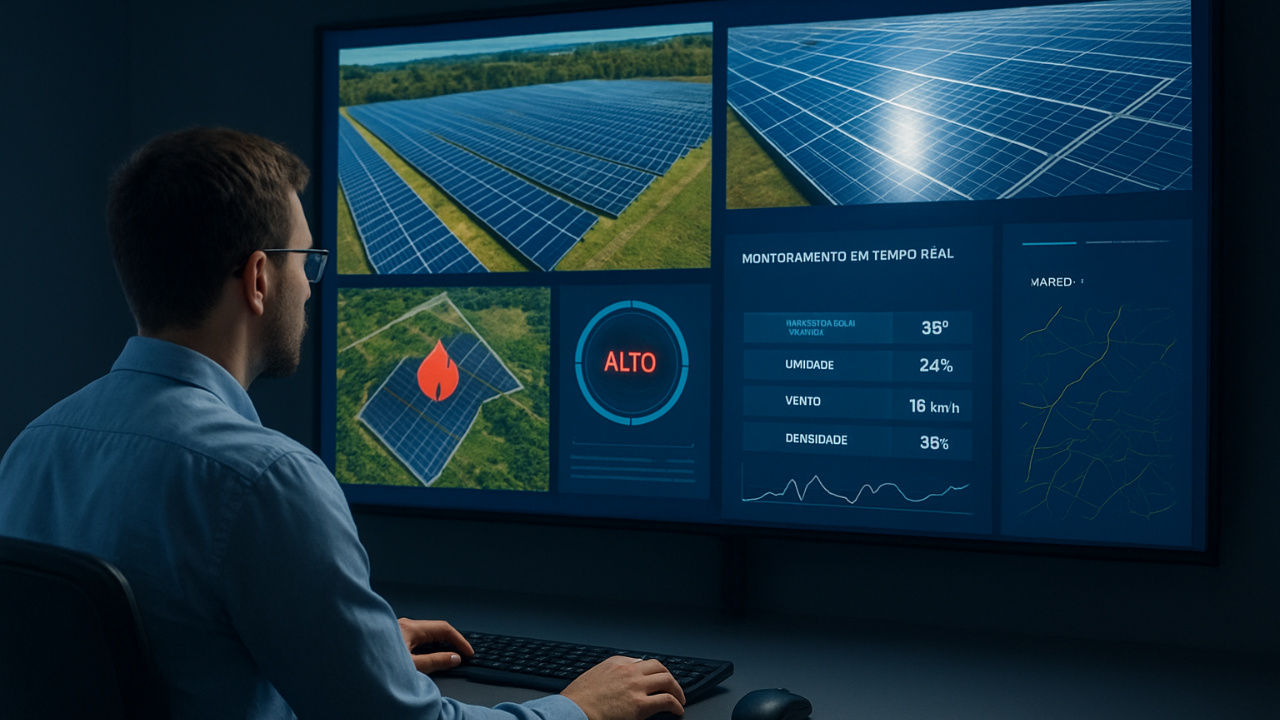

Brasol Develops System with AI Agents Integrated with INPE Data to Protect Solar Power Plants Against Fires, Ensuring Safety, Predictability and Operational Continuity.
As solar energy advances in Brazil, the need for solutions that ensure safety and operational stability also grows. In a scenario marked by extreme weather events and long periods of drought in various regions of the country, the risk of fires becomes a strategic concern for the sector.
It is in this context that Brasol announces the launch of a preventive monitoring system against fires, developed with the support of artificial intelligence agents and integrated with public databases of environmental data.
Technology Connects INPE Data and Artificial Intelligence
The model created by the company uses information from the Burn Program of the National Institute for Space Research (INPE). These data are collected by a set of 11 satellites responsible for identifying hotspots in almost real-time.
-
Solar energy can increase property value by up to 10% and become a selling point.

-
Solar and wind energy surpass natural gas for the first time in the world and accelerate energy revolution

-
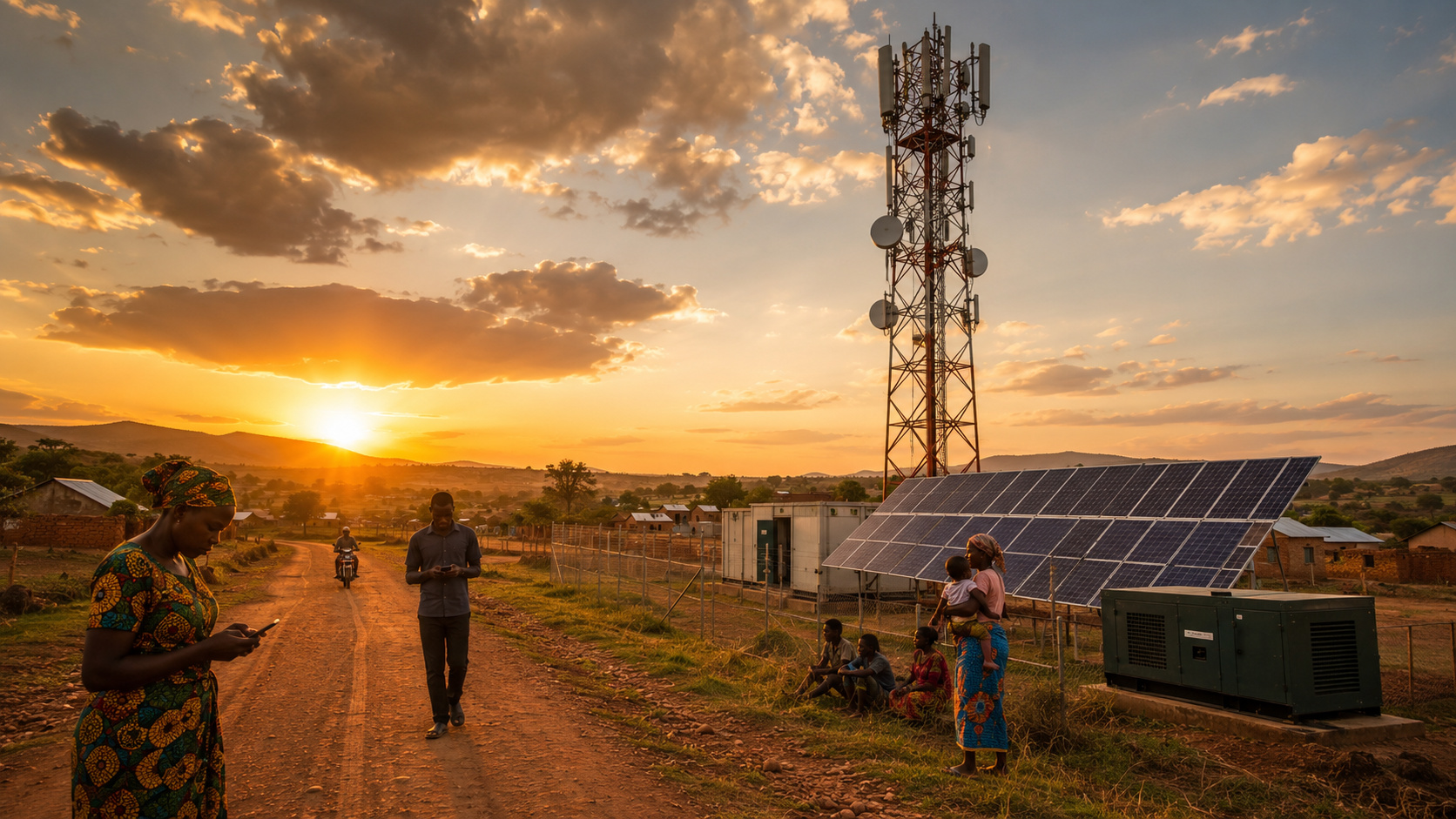
Africa has about 500,000 cell towers and most still burn diesel to operate, while companies rush to cover antennas with solar energy and avoid signal blackouts.
-
Farmers swapped diesel for solar panels in Pakistan, powered irrigation pumps almost cost-free, expanded rice fields, and now groundwater has become a red alert in the countryside.



From this, the information is integrated into Brasol’s operations center through AI agents. The system then begins to monitor areas near solar energy assets, continuously tracking potential fire hotspots and assessing risks.
Continuous Monitoring and Standardized Response
The tool operates 24 hours a day, seven days a week. Whenever a hotspot is identified near a power plant, the system triggers automated responses. These alerts lead to remote visual verification, immediate contact with local teams, and the implementation of protocols previously defined by the company.
Additionally, the model integrates CFTV verification, perimeter patrols, and standardized communication through internal platforms. The entire process is recorded, ensuring complete traceability of each monitored event.
Expansion of Solar Energy Expands Need for Prevention
According to Brasol, the rapid growth of solar energy, especially in rural areas and environmentally diverse regions, increases the exposure of power plants to external risks. In locations with abundant vegetation nearby or restricted access, small fires can quickly transform into threats to energy infrastructure.
Therefore, the company believes that preventive mechanisms are no longer differentiators but essential for the continuity of operations and asset preservation.
Financial and Operational Results Are Already Significant
Currently, the solution is in operation in about 130 solar energy generation assets and other sources. According to the company, the system has already prevented over R$ 15 million in damages just in 2025, a result attributed to the ability to anticipate risks and accelerate field responses.
The geographic configuration of the platform considers specific coordinates and a history of alerts, allowing proximity mapping of hotspots at different ranges. This data crossover increases accuracy in prioritizing tasks.
Strategic Vision for the Solar Energy Market
“This system responds to a market demand for greater safety and operational predictability. For our clients, the ability to anticipate external risks translates directly into reduced potential downtime and asset protection — factors that affect cost and business continuity,” said Brasol’s CEO, Ty Eldridge.
From a technical standpoint, the company highlights the integration between public data and proprietary prioritization logic as the main differentiator of the solution.
“From a technical perspective, the uniqueness of this approach lies in the convergence of public satellite data and our prioritization logic. This allows for the identification of risk trajectories with practical lead time sufficient to activate teams and mitigating measures, preserving the asset and ensuring service to the client,” explained the executive.
Integration with the Operations Center and Evolution of the Platform
The system is fully integrated into Brasol’s Operations Center, which centralizes 24/7 monitoring and coordinates responses in a standardized manner. To increase the accuracy of analyses, the company also conducted technical training with INPE researchers, focused on differentiating between actual fire hotspots and industrial heat sources.
According to the company, the evolution of the platform is expected to further enhance its performance in the solar energy sector, with future offerings of periodic risk reports, integration with preventive maintenance plans, and differentiated service levels for clients.
“In a market where assets are increasingly exposed to climate variables, providing structured monitoring makes us more competitive. The evolution of the platform will allow, in the medium term, the offer of differentiated service levels to clients, such as periodic risk reports and integration with preventive maintenance plans,” added the CEO.