Portuguese
  Spanish


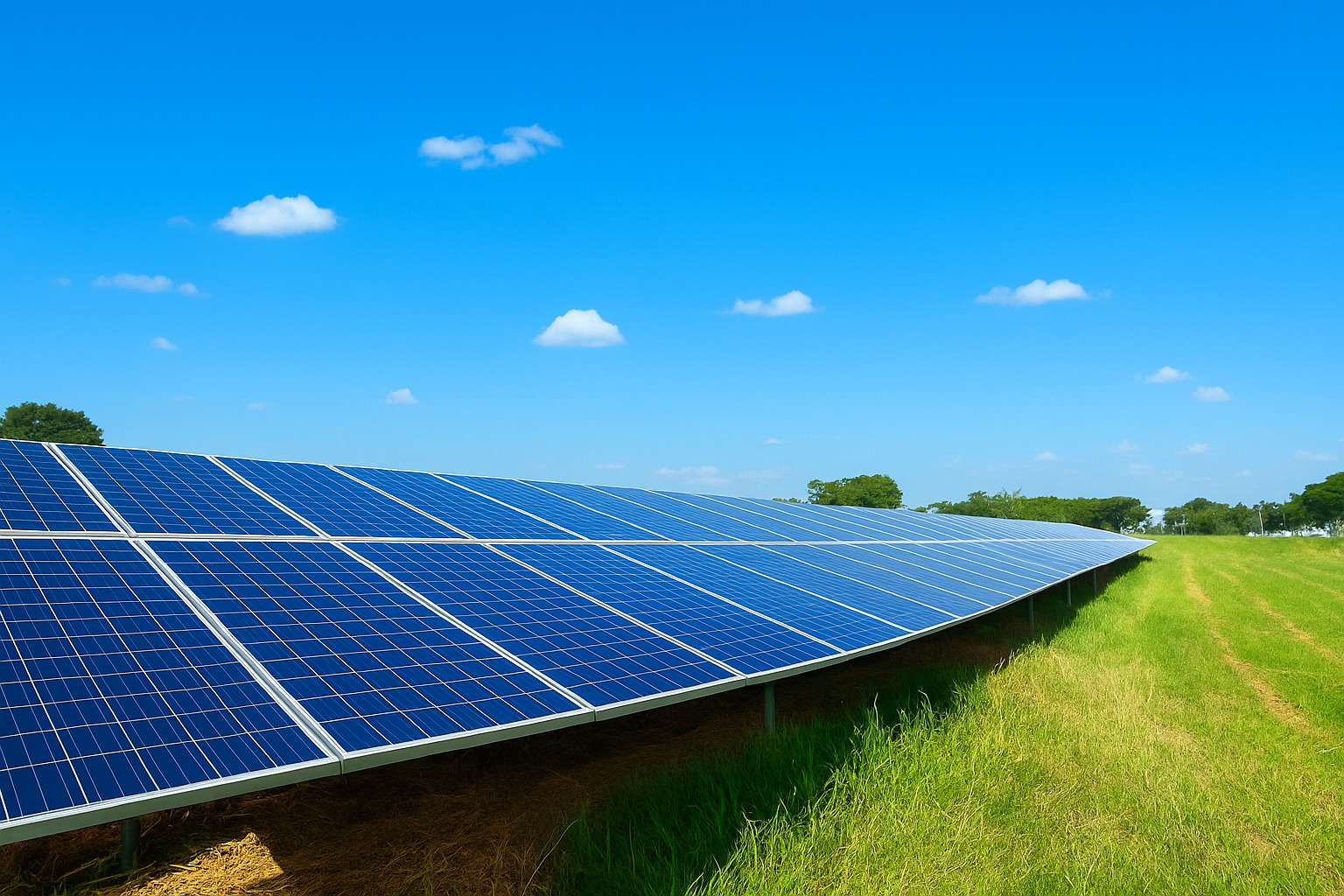

Solar Energy In MG Drives Self-Generation, Attracts Billions In Investments And Strengthens The Energy Transition With Economic And Social Benefits Across The State.
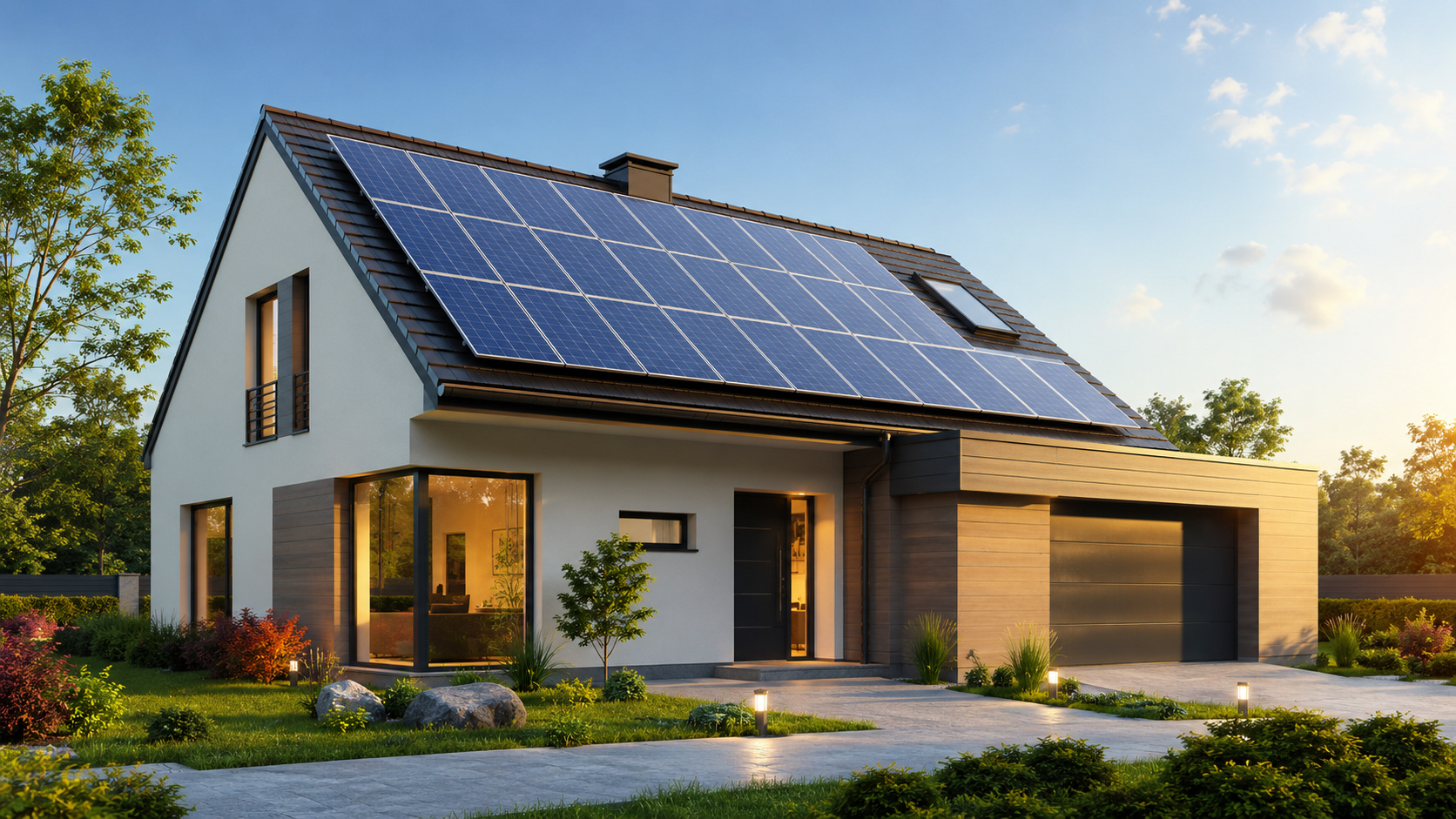
Minas Gerais consistently leads the advancement of solar energy in Brazil. Although the state has a tradition in the electric sector, it now stands out for its self-generation of solar energy. Currently, the installed capacity exceeds 4.9 gigawatts (GW), considering photovoltaic systems in rooftops, businesses, industries, rural properties, and public buildings.
Therefore, this growth has been changing not only the energy matrix but also the state economy.
Moreover, this scenario results from a favorable combination of privileged geography, well-structured public policies, constant technological evolution, and greater social awareness. As Minas has one of the highest solar radiation indexes in the country, the state transforms this natural resource into clean electricity.
-
Solar energy reaches 55 GW, becoming the second largest power source in Brazil’s energy mix

-
Solar energy can increase property value by up to 10% and become a selling point.
-
Solar and wind energy surpass natural gas for the first time in the world and accelerate energy revolution

-
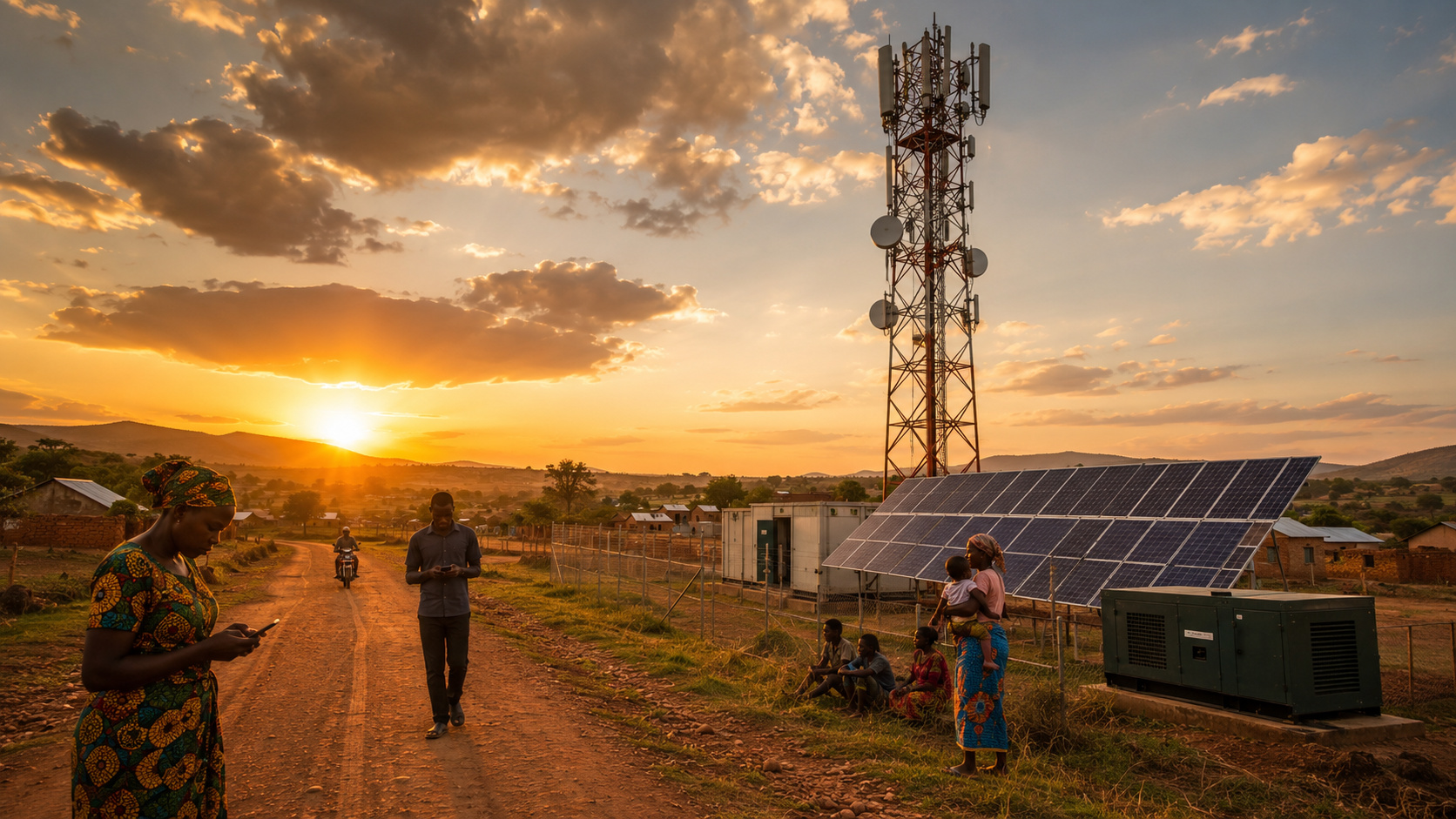
Africa has about 500,000 cell towers and most still burn diesel to operate, while companies rush to cover antennas with solar energy and avoid signal blackouts.
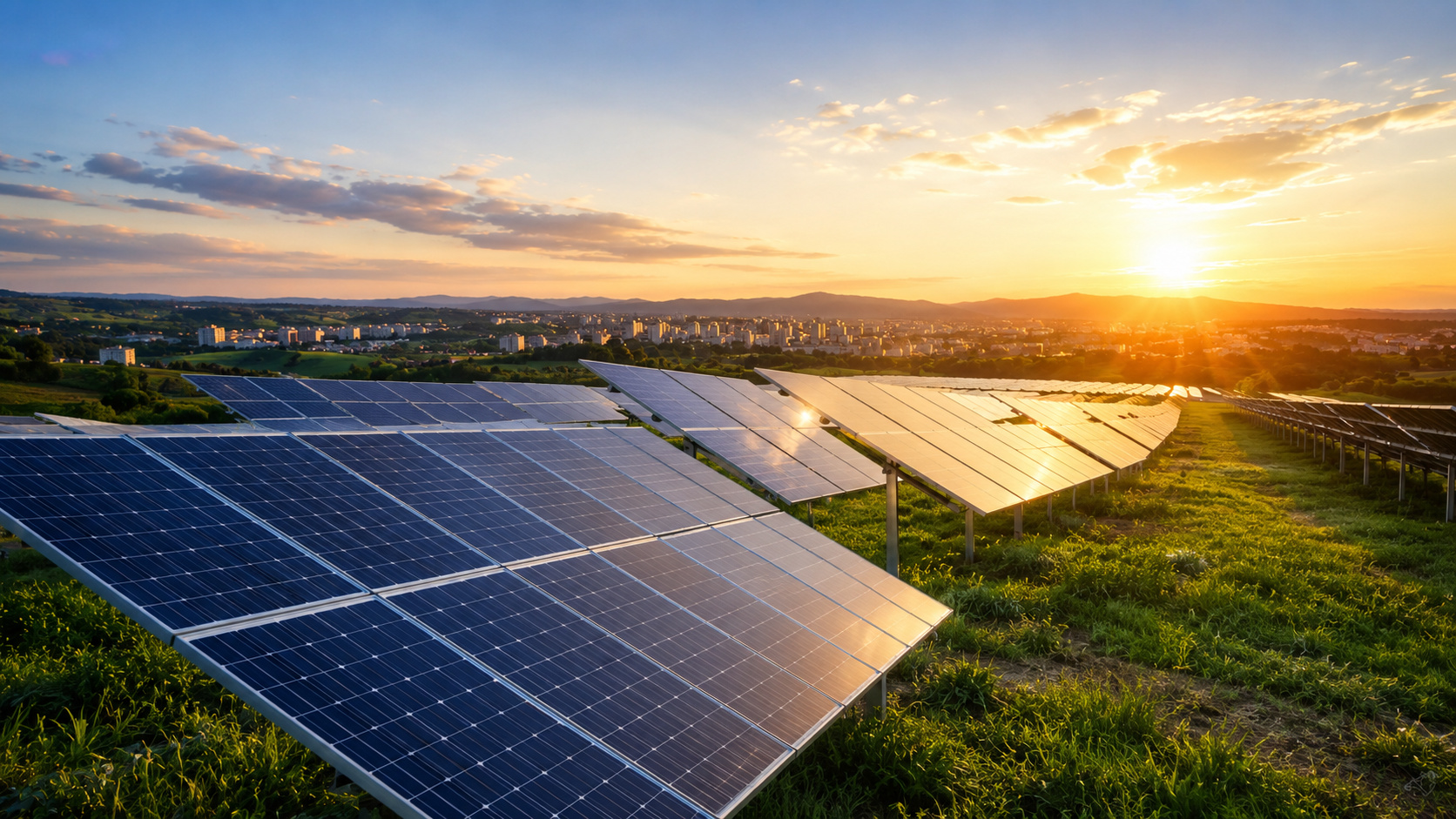

Consequently, the dependence on polluting sources, such as thermoelectric plants, is reduced.
Historically, the state has played a central role in energy production. For example, plants like Três Marias and Furnas were responsible for connecting Minas to the national system. However, facing the need to diversify the matrix, solar energy has come to represent a new chapter in this trajectory.
Therefore, this is not a one-time change but rather a structural and planned transformation.
At the same time, the presence of universities and technical centers strengthens the sector. These institutions train qualified professionals, promote applied research, and encourage innovation.
In this way, Minas Gerais also stands out as a technological hub for renewable energy.
Accelerated Expansion And Direct Benefits For The Population
In the current scenario, Minas Gerais ranks second among Brazilian states with the highest distributed solar generation, coming in behind only São Paulo. As a result, the state has more than 374 thousand active solar connections, spread across the 853 municipalities in Minas.
Thus, over 1.8 million consumers are able to save on their electricity bills, gain energy autonomy, and actively participate in the energy transition.
Since 2012, investments in the sector have totaled R$ 24.1 billion. As a result, several economic segments have been boosted, such as engineering, civil construction, equipment trade, and technical services.
Furthermore, the sector has created over 149 thousand direct jobs throughout the state, reinforcing the role of solar energy in generating local work and income.
From a fiscal perspective, the impacts are also significant. It is estimated that state revenue has increased by R$ 7.3 billion thanks to self-generated solar energy.
With this, the state government gains additional resources that can be directed to essential areas such as health, education, and mobility.
Additionally, small and medium-sized enterprises linked to the solar sector are multiplying in the countryside and the capital. This expansion, therefore, strengthens the regional economy, stimulates entrepreneurship, and generates opportunities in communities that were previously on the margins of energy investments.
Regulatory Barriers And Institutional Challenges
Despite all the advances made, the sector faces challenges that require urgent attention. Among them, the regulation of the electric sector occupies a central place. Currently, the Provisional Measures No. 1300/2025 and 1304/2025 are under consideration in the National Congress.
They directly impact distributed generation, especially regarding the rules for connecting new systems.
Frequently, distributors deny the installation of new projects under the argument of “reverse power flow.” However, according to the Brazilian Association of Photovoltaic Solar Energy (ABSOLAR), many of these refusals lack technical justification.
Therefore, the lack of transparency undermines the growth of the sector and discourages consumers and investors.
Moreover, the recent No. 14.300/2022 Law brought significant changes by establishing a new legal framework. On the other hand, if poorly implemented, these changes can generate legal uncertainty.
As a consequence, smaller projects, especially those intended for low-income families, may be rendered unfeasible.
For this reason, it is crucial that the legislation promotes balance. Distributors need to demonstrate, with concrete data, any real risk before preventing the connection of new systems.
In this way, it will be possible to ensure justice, transparency, and continuity for the sector.
Population Support And Growth Potential
Popular support for solar energy in MG continues to grow. Surveys indicate that 90% of Brazilians would like to generate their own clean energy. As a reflection of this interest, thousands of systems have been installed in homes, businesses, schools, hospitals, and rural properties.
Therefore, the movement toward distributed generation has already been consolidated among Miners.
To further accelerate this expansion, experts suggest complementary measures. For example, installing solar systems in public buildings can reduce electricity expenses and serve as an example to society.
Similarly, it is essential to integrate solar energy into popular housing and energy access programs, ensuring real energy inclusion.
Accessible financing also needs to advance. Although banks and mining cooperatives offer specific lines, many consumers still encounter difficulties in making the initial investment feasible.
For this reason, expanding credit mechanisms should be a priority for the coming years.
Another promising path involves solar communities. They allow different consumers to share the energy produced in a single system, even if they do not have physical space for individual installation.
Thus, residents of buildings and densely populated urban areas can also participate in the process.
Finally, the educational sector can benefit greatly from solar energy. Schools and universities that adopt the technology not only save resources but also provide students with practical experience in sustainability, innovation, and applied science.
Minas Gerais As A National Reference In Clean Energy
Considering the global context of climate emergency, investing in renewable energy has become a priority for several countries. In this scenario, Brazil has everything to stand out — and Minas Gerais, in turn, already plays a leadership role.
Solar energy in MG represents not only a technological alternative but also a concrete response to the environmental, social, and economic challenges of the 21st century.
Through effective public policies, well-directed incentives, and active participation from the population, the state is building a development model based on sustainability.
Moreover, Minas shows that the energy transition can be inclusive, decentralized, and financially viable.
The future of energy in Minas Gerais depends on planning but also on continuity. With the right incentives, the state can double its installed capacity in the coming years.
Thus, it will not only maintain its leadership in the national scenario but also become an international reference in clean energy.
Therefore, investing in solar energy means strengthening the local economy, reducing environmental impacts, and ensuring a fairer future. The experience of Minas proves that this path is possible — and necessary.