Portuguese
  Spanish


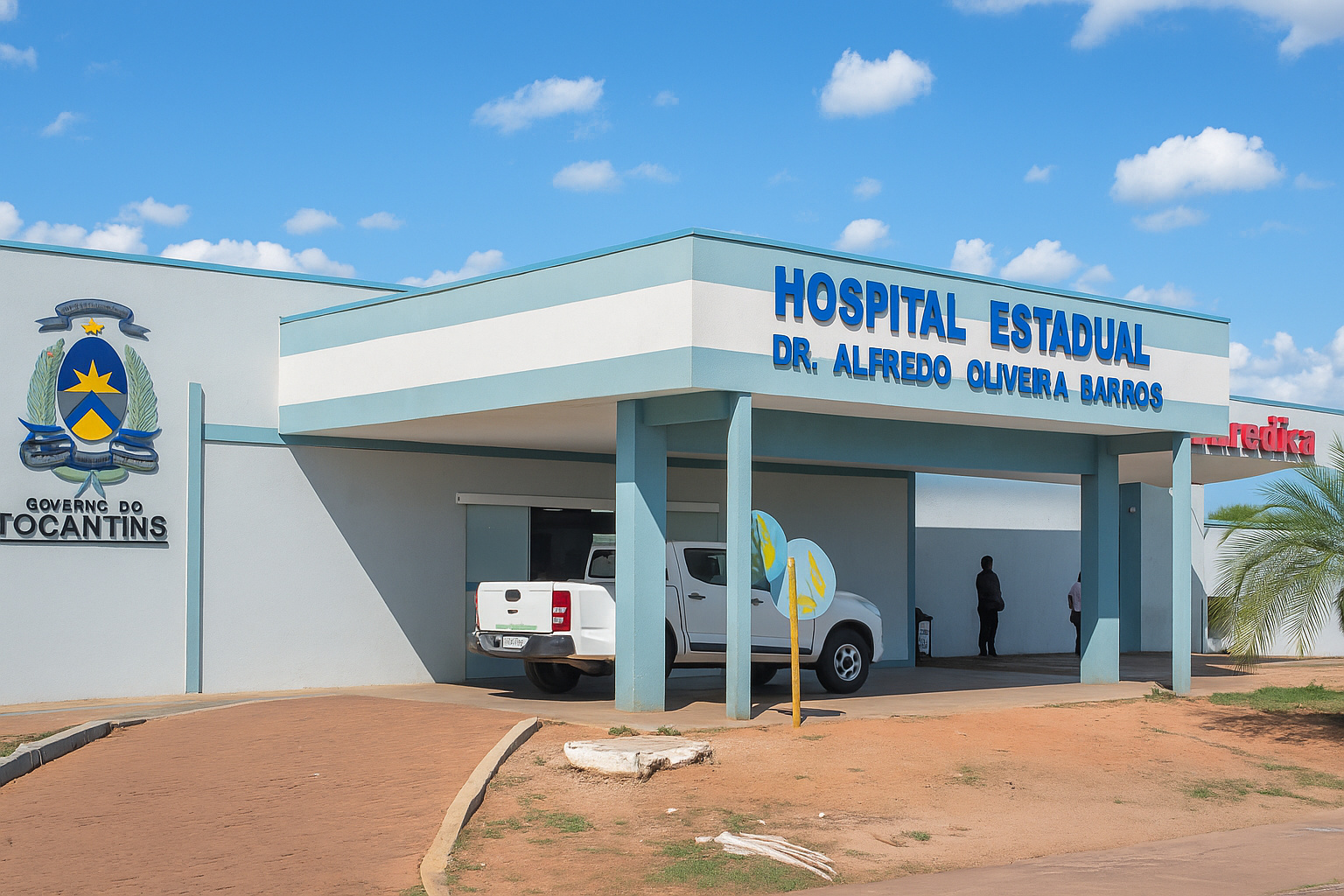

Solar Energy Allows The Hospital To Increase Efficiency And Reduce Electricity Costs By Up To 40%
The adoption of renewable energies, therefore, has become increasingly present in Brazil, especially in institutions that continuously consume electricity, such as hospitals. Among the available alternatives, solar energy stands out not only for its ability to reduce costs but also to increase energy autonomy and enhance environmental sustainability.
At the Regional Hospital of Paraíso do Tocantins, this technology already generates significant results; consequently, it provides a savings that can reach 40% on electricity consumption. This advancement, moreover, reveals how the search for energy efficiency is not just a trend but a necessity to ensure quality services and continuity in public health care.
The History And Importance Of Solar Energy In Brazil
The history of solar energy in Brazil, on the other hand, is more recent than in other parts of the world, but its growth has been rapid and consistent. Just over two decades ago, photovoltaic systems were not accessible and limited to experimental projects or remote areas without access to the power grid.
-
Solar energy can increase property value by up to 10% and become a selling point.

-
Solar and wind energy surpass natural gas for the first time in the world and accelerate energy revolution

-
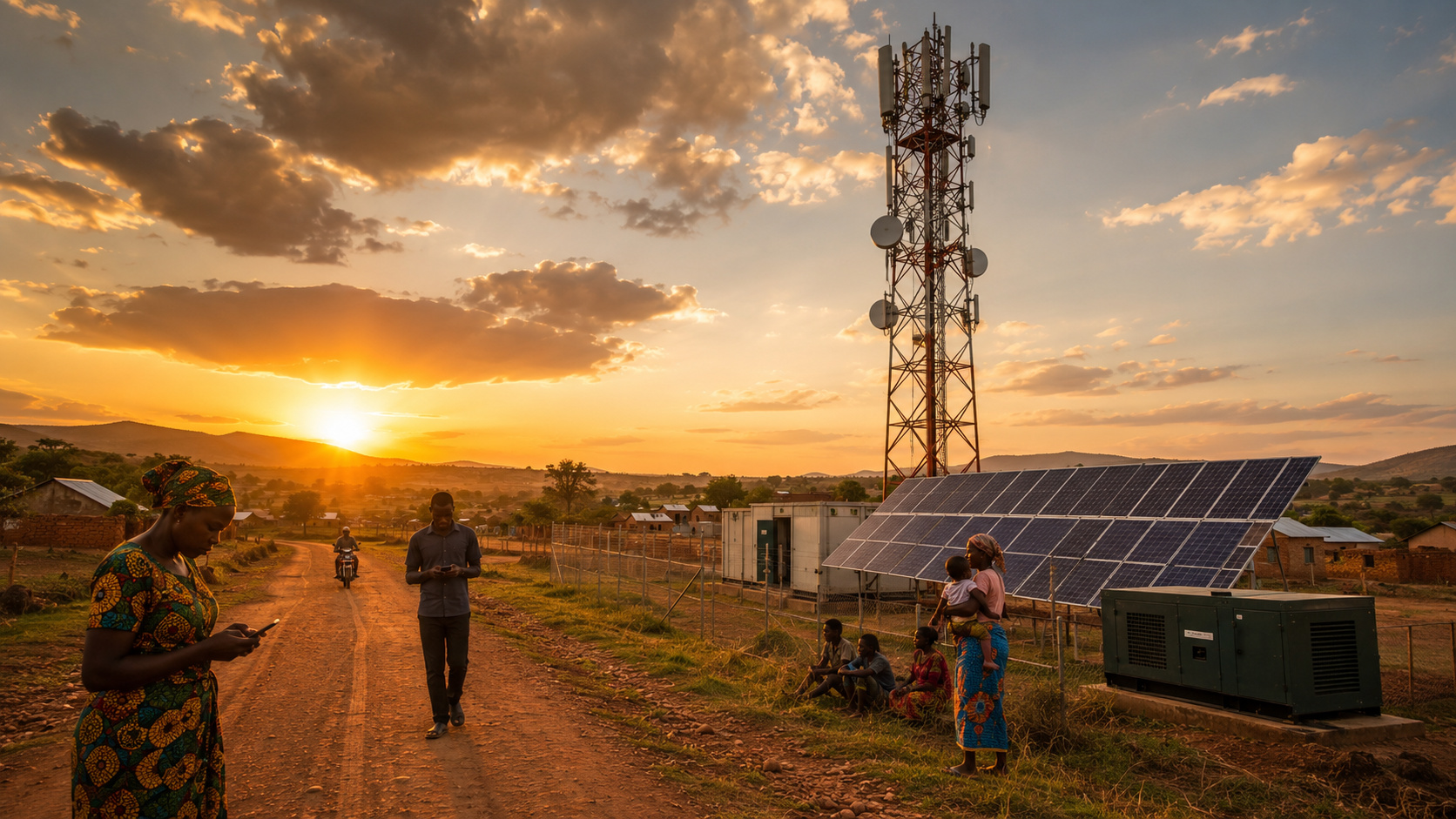
Africa has about 500,000 cell towers and most still burn diesel to operate, while companies rush to cover antennas with solar energy and avoid signal blackouts.
-
Farmers swapped diesel for solar panels in Pakistan, powered irrigation pumps almost cost-free, expanded rice fields, and now groundwater has become a red alert in the countryside.



With technological advances, the reduction in production costs, and the implementation of incentive programs, such as those regulated by the National Electric Energy Agency (ANEEL), solar energy has become a concrete and widely used solution. This historical context, therefore, helps to understand how public hospitals began to adopt this clean energy source as part of their management strategy.
At the Regional Hospital of Paraíso, the installation of a photovoltaic system is part of the Energy Efficiency Program, which encourages the conscious and intelligent use of electricity. Before implementing the solar panels, the institution replaced old air conditioning units with more modern and economical models.
This first stage, thus, generated a reduction of approximately 15% in consumption, showing that small adjustments can add up to significant impacts. The continuation of the project, with the installation of solar panels, constitutes the second phase of a strategy that aims not only to reduce expenses but also to modernize the hospital’s infrastructure.
Moreover, the investment in solar energy allows the hospital to consolidate a more strategic management model, considering both operational efficiency and environmental sustainability. Historically, hospitals have always faced challenges related to high energy consumption, mainly due to the need for climate control, intense lighting, and the continuous operation of essential medical equipment.
Therefore, integrating renewable sources into the institution’s energy matrix represents a modern and efficient response to problems that have existed for decades. Consequently, the hospital reduces costs, promotes sustainability, and strengthens internal resource management.
How Solar Energy Allows The Hospital To Save
Solar energy allows the hospital to have a new dynamic of electric consumption. In fact, the photovoltaic panels capture solar radiation and convert it into electricity through the photovoltaic effect, a physical phenomenon studied since the 19th century, but which gained wide commercial application only at the end of the 20th century.
Moreover, the solar inverter, an essential part of the system, converts this electricity into a form suitable for immediate use in the hospital’s internal network. When production exceeds consumption, the surplus generates credits, further reducing dependence on the conventional grid. This mechanism provides, therefore, stability and predictability, which are essential for the operation of any hospital unit.
The savings generated from solar energy directly impact the hospital’s capacity for management. According to the general director of HRPT, Diego Segger, the saved amount can be applied in priority areas, such as purchase of medications, maintenance of equipment, and expansion of services.
This financial redirecting represents operational and social gains, as it improves the patient experience and strengthens the quality of care for the population. Therefore, in a health institution, every optimized investment means more safety, speed, and efficiency in caring for human life.
Another important point is the alignment between the adoption of solar energy and the environmental commitment. The photovoltaic systems significantly reduce pollutant gas emissions associated with energy generation from fossil sources.
Historically, the Brazilian electricity sector has always had a strong hydroelectric presence, but in dry periods, the dependence on thermal power plants increases and, with it, carbon emissions. By generating part of its own energy, the hospital contributes to a more sustainable model that is less vulnerable to climatic variations.
Energy Autonomy And Stability
Solar energy also represents a step toward energy autonomy, especially relevant in places that need continuous operation. Hospitals cannot face interruptions in electricity supply, as equipment such as ventilators, monitors, and climate control systems are indispensable.
A well-sized photovoltaic system does not completely replace the traditional power grid, but it reduces vulnerability and increases the energy security of the unit. With this, the institution gains stability and is less exposed to tariff fluctuations, which have historically affected sectors with high energy consumption.
The advancement of renewable technologies in the hospital sector also reflects a cultural change in Brazil. For many years, it was believed that alternative energy sources were expensive, complex, or unfeasible for large structures.
However, the dissemination of knowledge, the increase in equipment availability, and the regulatory incentives have shown otherwise. Today, hospitals of various sizes adopt solar energy both for cost savings and for modernization. Thus, the relationship between health and sustainability has strengthened, integrating into a vision of comprehensive care, which involves not only the patient but also the environment and natural resources.
The Regional Hospital of Paraíso can inspire other health units, especially in regions with high solar incidence, such as Tocantins. The state has one of the highest solar radiation potentials in the country, making the investment even more efficient.
When a hospital demonstrates concrete results in savings and sustainability, it paves the way for other institutions to follow suit, multiplying the benefits and expanding the positive impact on society. Consequently, solar energy allows the hospital not only to save resources but to establish a modern management standard.
The Future Of Solar Energy In Hospitals
The use of solar energy also strengthens the perception that energy efficiency projects are fundamental to public administration. By reducing fixed costs, the hospital is able to better plan its expenses and prepare for emergency situations.
This type of strategic management becomes essential in a context where demands for care are continuously increasing. Therefore, solar energy allows the hospital to reorganize priorities, optimize resources, and ensure more efficiency.
The future of solar energy in Brazilian hospitals is promising. With technological evolution, the durability of equipment is increasing, while costs tend to fall.
More efficient panels, robust inverters, and intelligent monitoring systems make up a new generation of equipment that enhances the reliability of the photovoltaic system. In a scenario of energy transition, where several nations seek clean and renewable sources, Brazil has the opportunity to consolidate its solar potential, especially in essential institutions such as public hospitals.
In the historical and social context, the installation of the solar energy system at the Regional Hospital of Paraíso represents more than financial savings. It is a symbolic and practical milestone of how technology can transform essential services.
By integrating sustainability, efficiency, and administrative responsibility, the hospital shows that it is possible to modernize public infrastructure without losing sight of the main focus: to offer quality care to the population. Therefore, solar energy allows the hospital not only to save but also to advance toward a more intelligent, humane, and future-ready management model.