






 Portuguese
  Spanish
  2 min of reading
  0 comments


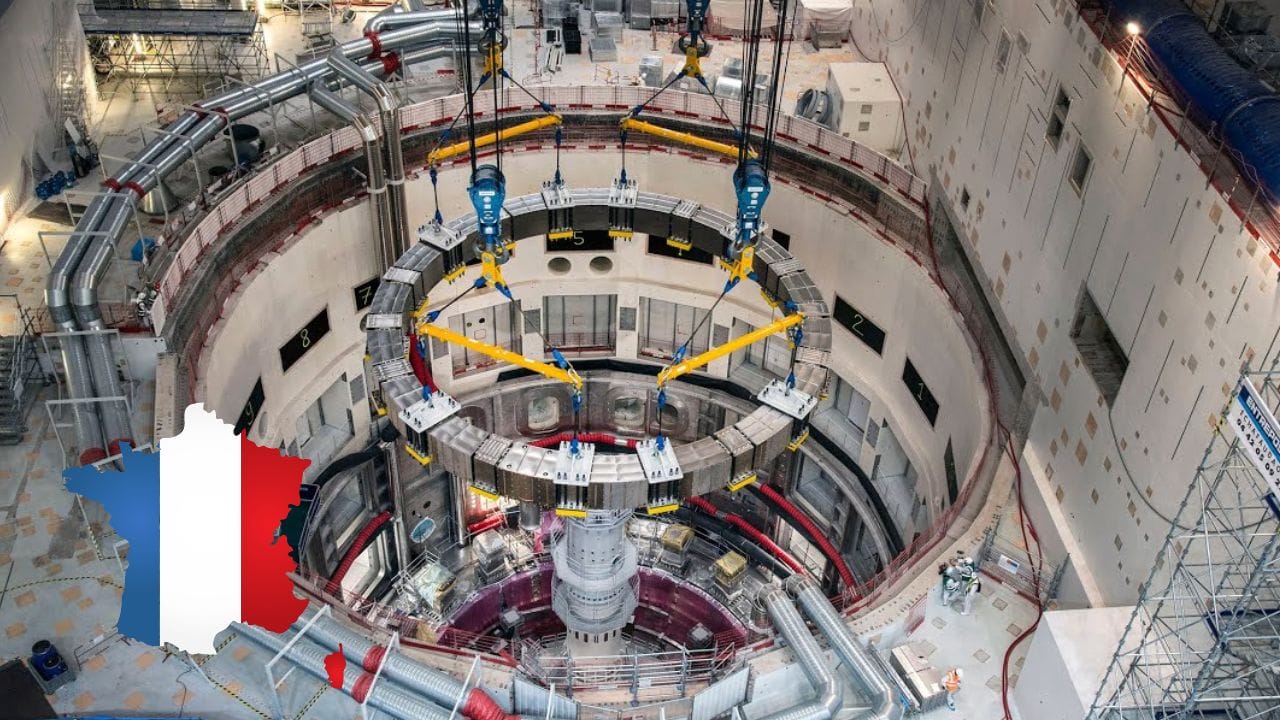
ITER Is More Than Just An Engineering Project; It Is A Symbol Of Innovation, Collaboration, And Hope For A More Sustainable Future. As The Project Progresses, It Not Only Challenges The Limits Of Science And Engineering But Also Brings Us Closer To An Era Of Clean And Abundant Energy For All.
The world of engineering is about to witness a historic milestone with the construction of the largest nuclear fusion reactor, ITER (International Thermonuclear Experimental Reactor), located in France. This colossal project, which began in 2013, is the result of collaboration among 35 nations and promises to revolutionize electricity generation.
The Power Of Nuclear Fusion
The ITER tokamak reactor, once completed, will be capable of containing plasma at temperatures of hundreds of millions of degrees, far surpassing the heat at the center of the Sun. This scientific advancement has the potential to unlock a new way of generating electricity, free from the environmental impacts associated with fossil fuels and without the risks of nuclear collapses associated with nuclear fission.
The construction of ITER is an unprecedented engineering feat; the reactor, which will weigh about 23,000 tons, is a complex structure that requires precision and innovation in all aspects, from earthworks to the use of steel and concrete. The project includes advanced heating and cooling systems, with superconducting magnets to contain the plasma and a cooling tower to dissipate the generated heat. You can see the megaproject filmed by drone, follow below.
-
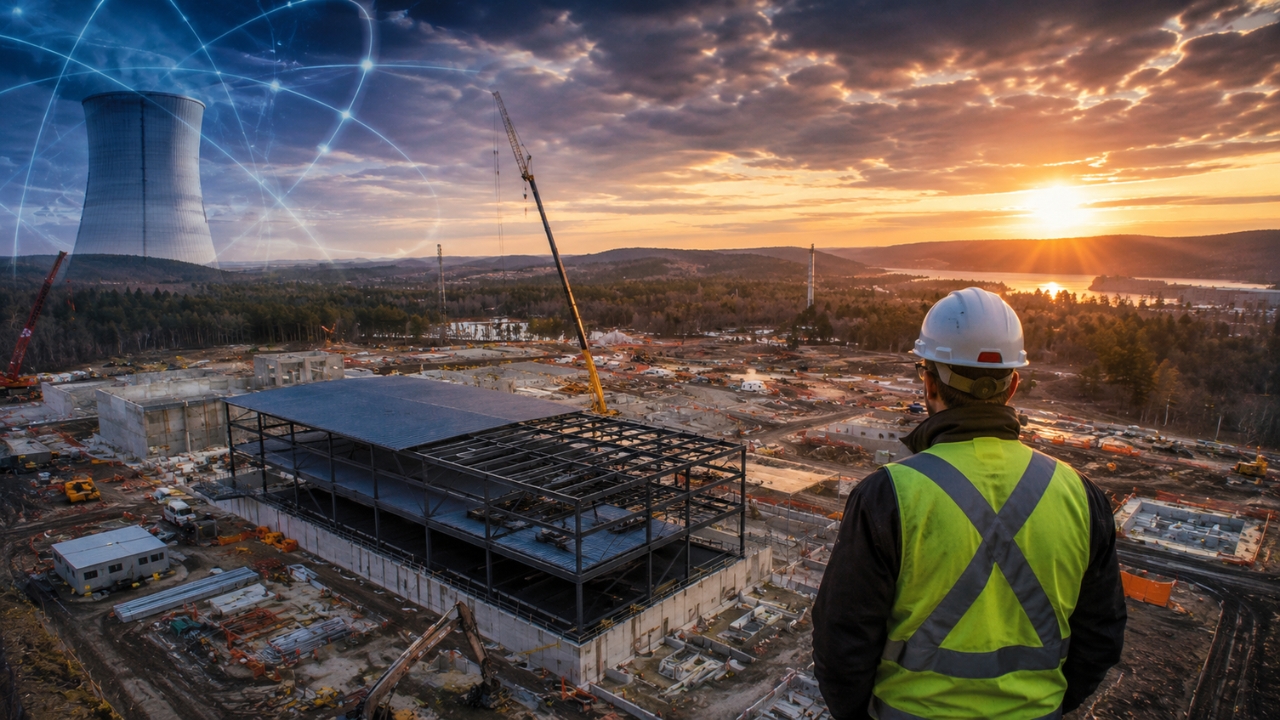
American company drills a 1,830-meter hole in Kansas using oil well technology, places a nuclear reactor inside, and claims it will generate electricity without any cooling tower.

-
Canada invests more than 2 billion dollars to upgrade an old nuclear laboratory and try to rival the world’s major atomic energy powers.
-
Nuclear company backed by Bill Gates partners with Hyundai for next-generation 345 MW nuclear reactor

-
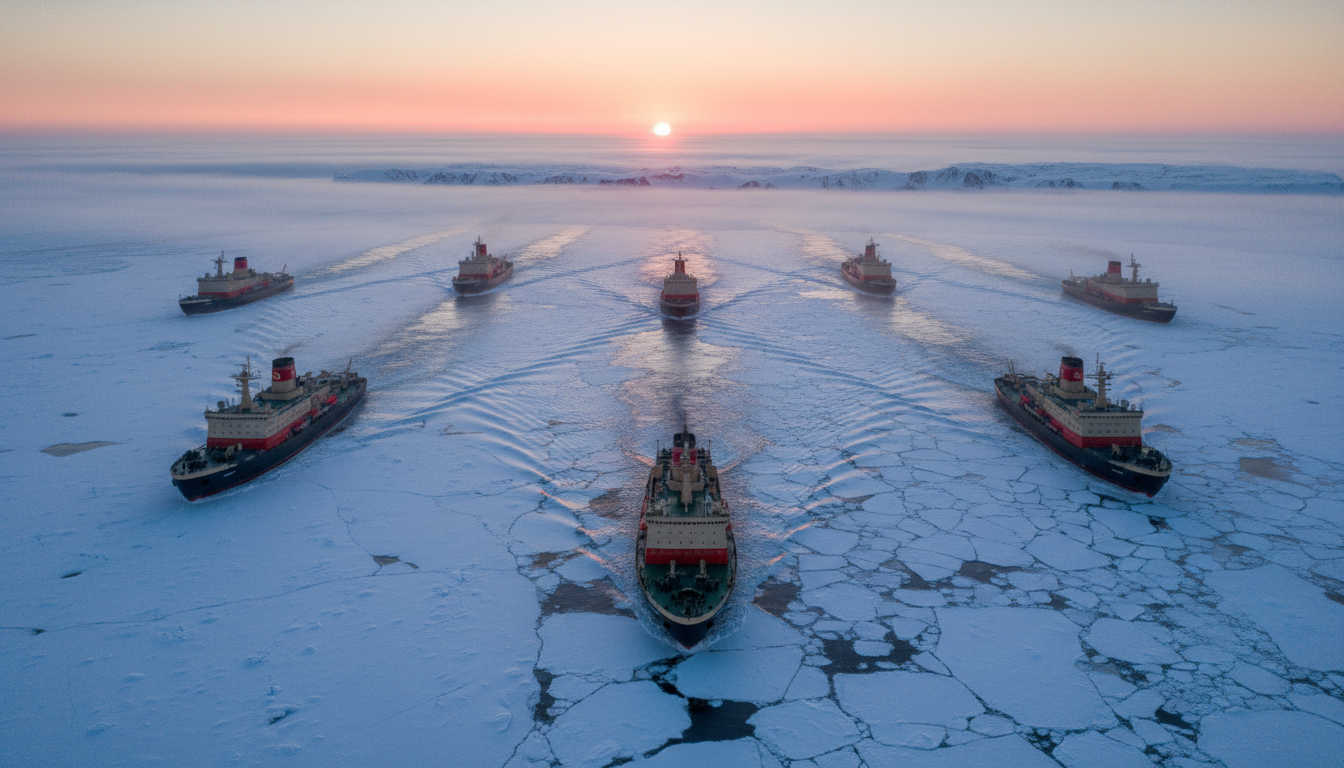
Russia is sailing all 8 nuclear icebreakers of its fleet simultaneously for the first time in history, as the Arctic freezes two weeks earlier than expected.





One Of The Greatest Challenges Of ITER Is The Need To Maintain The Thermal And Structural Balance Of The Reactor
This involves using cryogenic technologies to cool the superconducting magnets and heating systems to raise the plasma’s temperature. Moreover, the structure must be capable of withstanding extreme conditions such as earthquakes and floods, ensuring the safety and integrity of the reactor. Preventing accidents like in Chernobyl, the BBC’s coverage is amazing.
ITER Is A Step Towards A Future Of Clean And Sustainable Energy. Although The Reactor Itself Does Not Produce Electricity, It Serves As A Testing Ground To Refine The Technologies Needed For A Commercial Fusion Reactor. The expectation is that ITER will demonstrate the viability of nuclear fusion as a powerful and environmentally responsible energy source.
The international collaboration on the ITER project is an inspiring example of how countries around the world can come together for a common goal. This project not only advances in the field of engineering and physics but also represents a significant investment in the future of global energy infrastructure.




Be the first to react!