Portuguese
  Spanish


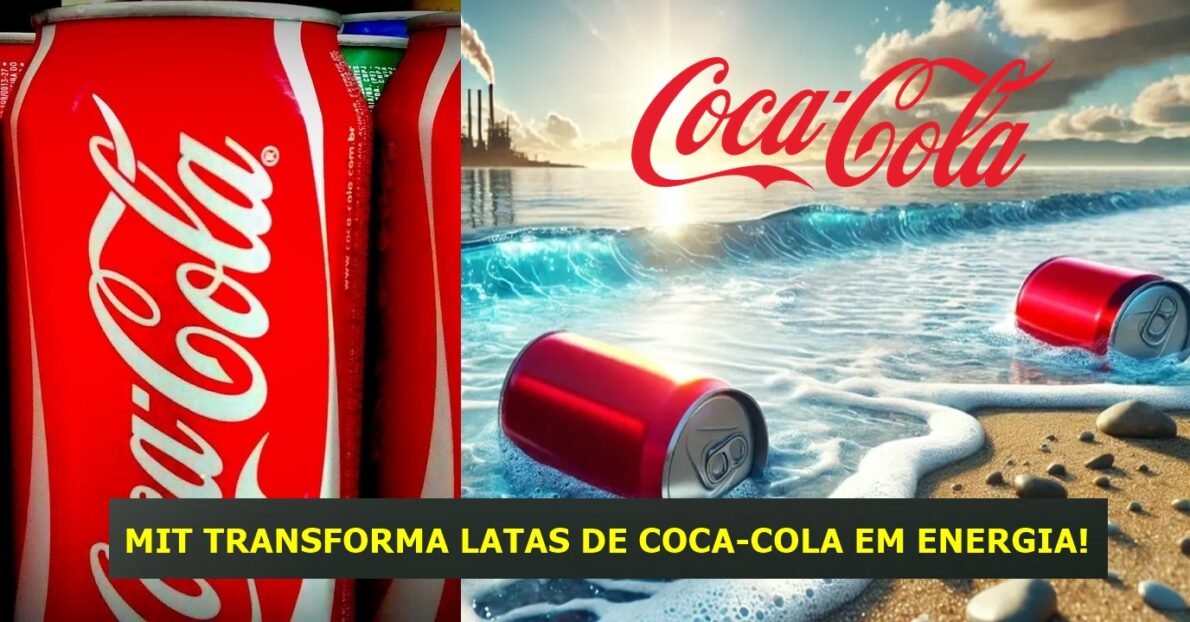

MIT Engineers Develop Innovative and Eco-Friendly Method to Produce Hydrogen Fuel by Combining Aluminum from Coca-Cola Cans, Saltwater, and Coffee Waste
A study published in the journal Cell demonstrated that engineers at MIT made a promising discovery that could revolutionize hydrogen fuel production, a clean and essential fuel for a sustainable future. They developed a simple, low-cost, and eco-friendly method to create hydrogen using only recycled Coca-Cola cans, seawater, and caffeine, combining ingredients that together form a powerful solution for clean energy generation.
How The Method Works
The aluminum present in Coca-Cola cans, in its pure form, has a natural ability to react with water to release hydrogen. However, this reaction is typically blocked by a layer of aluminum oxide that forms on the surface of the metal when it comes into contact with air or water, preventing efficient hydrogen fuel production. The MIT team, however, found a way to circumvent this problem.
They discovered that by pre-treating the aluminum from Coca-Cola cans with a metal alloy composed of gallium and indium, this protective layer does not form, allowing aluminum to react directly with seawater.
-
Brazilian scientists are simultaneously advancing two research projects on clean hydrogen and driving solutions that could transform the energy matrix, enhance industrial competitiveness, and accelerate large-scale emission reduction targets.

-
Advancement in renewable energy: A R$ 150 million project launched by Petrobras and Finep aims to create state-of-the-art electrolyzers for green hydrogen, strengthening national research and preparing Brazil to compete in a billion-dollar energy market.
-
Illiterate or semi-literate grandmothers were trained to repair solar systems, open rural workshops, and light up homes that still depended on kerosene.
-
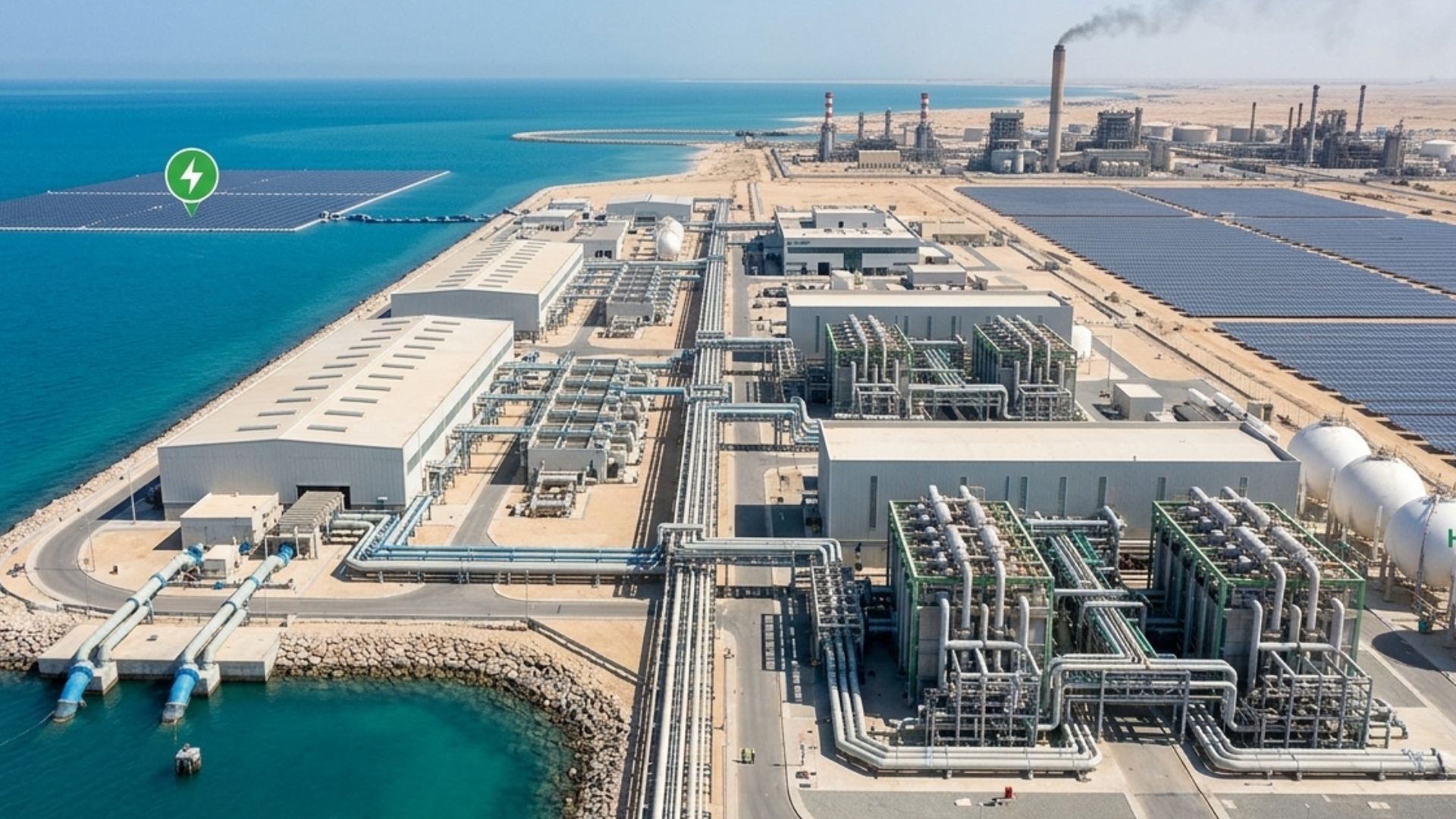
The world has bet on green hydrogen as the fuel of the future, but now faces the side effect: producing 1 kilogram requires about 9 liters of ultrapure water, and the largest projects on the planet are precisely in the driest regions of the Earth, where water is already scarce for people.



The result is the continuous release of hydrogen fuel, generating energy sustainably.
Moreover, the ions present in seawater are capable of attracting and recovering the metal alloy, which can be reused to generate more hydrogen, making the process even more efficient.
Accelerating The Process with Caffeine
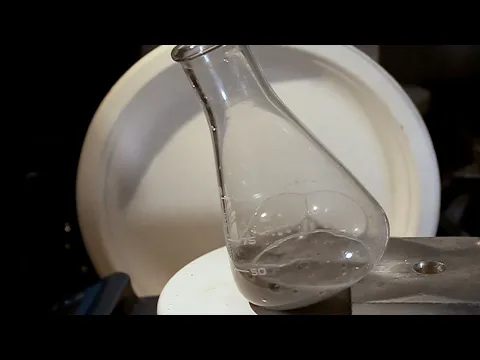
Although this reaction between the aluminum from Coca-Cola cans and seawater is effective, it can be slow. In a curious experiment, the engineers decided to add coffee powder to the mix, hoping to observe some effect. To their surprise, the reaction was significantly accelerated. Caffeine, present in coffee powder, contains imidazole, a compound that acts as a catalyst, increasing the reaction speed. With the addition of a small amount of caffeine, the hydrogen fuel production time was reduced from two hours to just five minutes, speeding up energy generation.
Applications
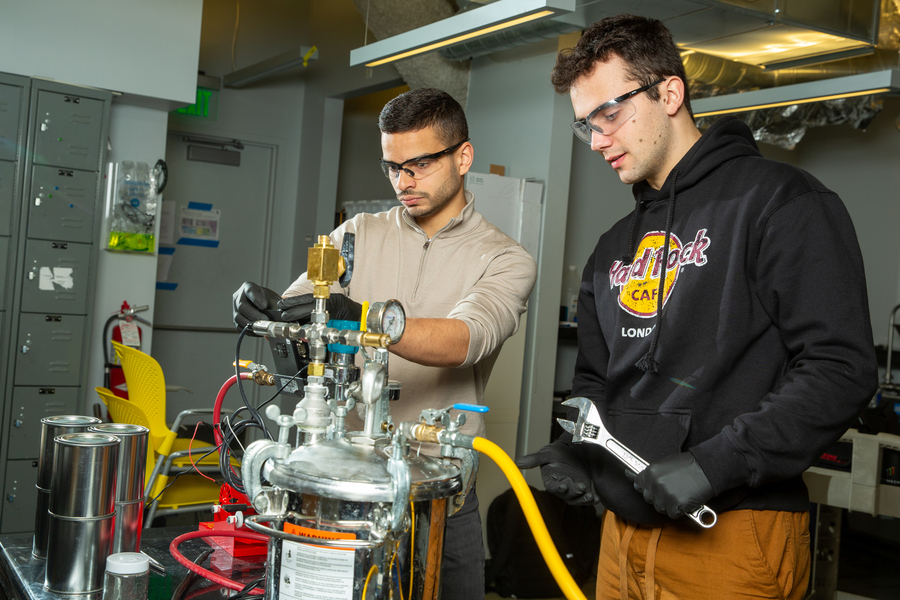
Based on this discovery, the team is developing a small reactor that could be used in marine vessels or underwater vehicles. The idea is that the reactor would be supplied with recycled aluminum pellets from Coca-Cola cans and other aluminum waste, along with a small amount of gallium-indium alloy and caffeine.
Seawater, which is readily available, would be channeled into the reactor, where the reaction would occur to produce hydrogen fuel on demand. This hydrogen could then be used to power engines or generate electricity for the operation of the vessel, providing a clean and renewable energy source.
The simplicity and efficiency of this system make it ideal for use in marine environments, where transporting large amounts of fuel would be impractical. Instead of carrying heavy hydrogen tanks, the reactor could generate the gas as needed, utilizing locally available resources, such as seawater and recycled Coca-Cola cans, which serve as a source of aluminum for the process.

Challenges of Using Hydrogen Fuel
Despite the revolutionary potential of this discovery, there are still challenges to be overcome before the method can be implemented on a large scale. One of the main obstacles is the cost and availability of the gallium-indium alloy. These metals are relatively rare and expensive, which may limit the economic viability of the process for large applications. However, the MIT team is working on ways to make the process more sustainable and accessible.
One of the proposed solutions is recovering the metal alloy after the reaction, using the ions present in seawater to precipitate gallium and indium, which can be collected and reused. This approach closes the production cycle, reducing the need for new materials and decreasing costs, making hydrogen fuel production even more sustainable.
Hydrogen is viewed as a crucial fuel for the global energy transition, especially in sectors where direct electrification is not viable, such as heavy industry and long-distance transportation. However, current hydrogen production is mostly based on fossil fuels, resulting in a significant carbon footprint.
The method developed by MIT offers a promising alternative, allowing for clean and sustainable hydrogen fuel production from widely available materials, such as recycled Coca-Cola cans. If this technology can be scaled and applied in different contexts, it could play a key role in decarbonizing the global economy, providing a new way to generate energy.
The team, led by Douglas Hart, a mechanical engineering professor at MIT, and composed of talented engineers such as Aly Kombargi, Enoch Ellis, and Peter Godart, is at the forefront of this innovation. With ongoing development of reactors and exploration of new ways to optimize the process, they are paving the way for a future where hydrogen fuel can be produced affordably and sustainably, using simple resources like seawater, caffeine, and ubiquitous Coca-Cola cans.