Portuguese
  Spanish


Engineers at the Sanford Underground Research Facility discovered that water falling through Shaft 5 pushed air through the ventilation system, affecting the flow during storms and situations with high water volume
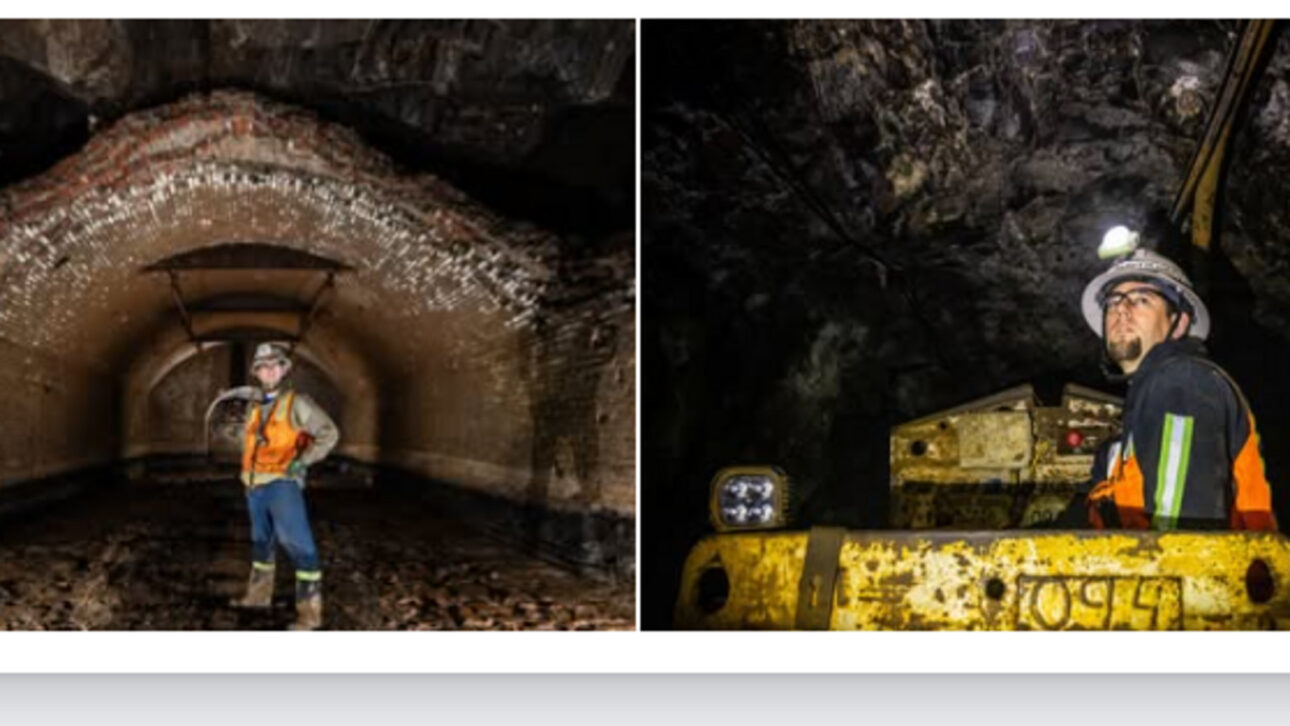
The underground ventilation at the Sanford Underground Research Facility in South Dakota began to show unexpected changes during heavy rains, with reduction and even temporary reversal of air flow. Engineers discovered that water falling through Shaft 5 was pushing air through the system, like a giant piston.
Rain changed the behavior of air underground
The discovery began from a problem observed a few years ago at the Sanford Underground Research Facility, known as SURF.
During strong storms, engineers noticed that parts of the underground ventilation system behaved differently than expected.
-
Brazilian Engineers Lead $200 Million Project to Bring Water from São Francisco River to Transform Supply in Northeastern Cities

-
Brazilian University Tests Recycled Plastic Component for Homes, Aiming for More Sustainable Single-Family Housing Construction
-
Apple, Samsung, and Sony Warn: Wet Bluetooth Earbuds Can Be Damaged if Stored Before Fully Drying
-
Brazil Develops AI-Driven Technology to Measure Brain Pressure Non-Invasively, Detecting Nanometric Deformations in Real Time to Aid Early Medical Intervention


According to the South Dakota Science and Technology Authority, the air flow sometimes decreased or even reversed for brief periods. Initially, the team could not explain why this was happening.
Jason Connot, a mining engineer who has worked at SURF since 2019, was one of the first to notice the unusual pattern.
He reported that the fan became “uncontrolled” in Shaft 5, while some areas recorded reduction or reversal in air flow during heavy rains.
In an underground facility, this type of change has practical importance. Fresh air needs to circulate in a controlled manner, while underground water and rainwater that infiltrate below the surface need to be removed safely.
Shaft 5 also receives excess rainwater
Normally, fresh air enters the facility through two intake shafts and exits through two exhaust shafts. One of these exit paths is Shaft 5, which also serves another function during heavy rains.
When more water enters the facility than the pumping system can process, the excess is sent down the shaft to a deep underground pool. Then, this water is pumped back to the surface.
This relationship between falling water and changes in airflow was not evident at first. The engineers could observe the effect on the system, but they still did not know which mechanism was causing the alteration.
The breakthrough came with the installation of Maestro airflow sensors at level 2000. The new equipment gave engineers a clearer view of how the air moved through the underground galleries.
Sensors and testing at level 4850 helped explain the phenomenon
The investigation also relied on a previous clue obtained by Steve Gabriel, then a science teacher at Spearfish High School, and his students.
They built and installed airflow monitors that recorded an unexpected increase during a test of the shaft’s deluge system at level 4850.
Connot stated that the team felt an increase in airflow at this level during the test. The observation created the correlation that helped initiate the investigation into the impact of water on the ventilation system.
From there, the engineers began to suspect that the column of falling water inside Shaft 5 was functioning like a large piston. As it descended, the water pushed the air through the underground network.
A study published in the journal Mining, Metallurgy & Exploration describes similar effects in large municipal sewage systems.
Connot and colleagues from South Dakota Mines adapted these fluid dynamics equations to the underground layout of SURF.
According to Connot, when the facility’s numbers and parameters were entered into the model, the results matched the measurements made by the engineers.
He highlighted that the weight of the water droplets could move a greater amount of air than one might imagine.
Discovery could help in underground emergencies
The observed effect is not limited to storms. The information is also relevant for emergency situations, such as underground fires, when engineers can dump large volumes of water down the shaft.
Connot explained that, in case of a fire, mining engineers sometimes open a valve at the top and release water into the shaft. Knowing that this can alter airflow is considered crucial information for the team.
The research is already helping SURF to better predict how the underground ventilation system responds when large volumes of water enter the shaft. This prediction allows for anticipating adjustments and reducing operational risks.
Bryce Pietzyk, director of underground operations at the facility, stated that the work allows engineers to adjust ventilation controls before changes in airflow become a problem.
In practice, the discovery shows that two essential systems, water drainage and air circulation, may be more connected than it seemed. In complex underground environments, understanding this connection helps to keep the operation safer.
This article was prepared based on information from the South Dakota Science and Technology Authority, the Sanford Underground Research Facility, and the journal Mining, Metallurgy & Exploration, with data, numbers, and statements preserved as per the consulted material.