






 Portuguese
  Spanish
 3 min of reading
  0 comments


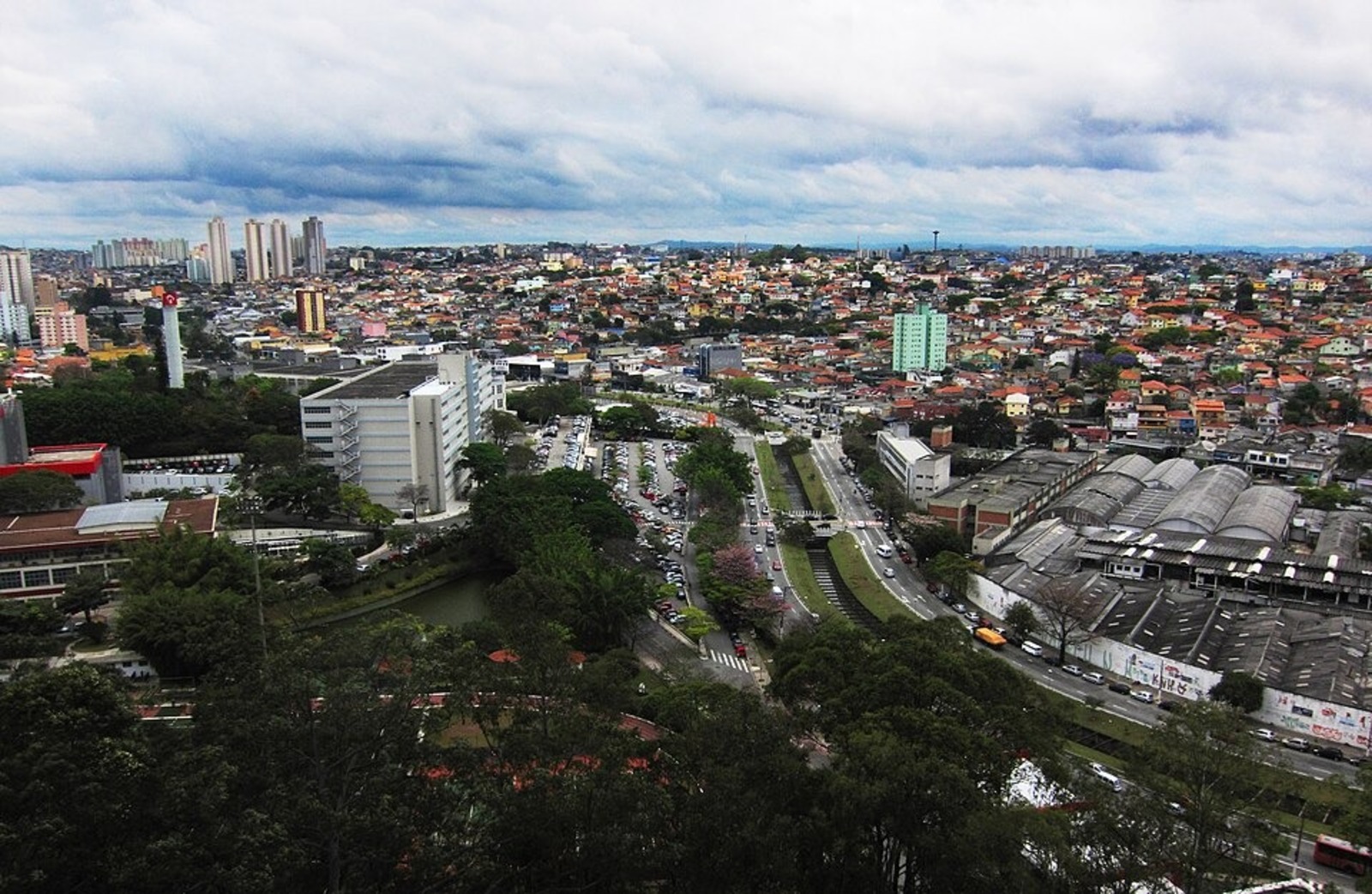
Osasco Leads National Ranking of Fiscal Efficiency with Analysis of 69 Indicators, 396 Municipalities Over 50,000 Inhabitants, and Use of Data from IBGE, Finbra, DataSUS, and Inep
Osasco, in the metropolitan region of São Paulo, reached first place in the national ranking of efficiency in public resource allocation, as revealed in a survey by the Assertif Group, which evaluated 396 municipalities with over 50,000 inhabitants.
The result is part of a study by the Assertif Group, responsible for creating the Returnometer indicator, developed from official data from IBGE, Finbra, DataSUS, and Inep, aimed at evaluating the efficiency of municipal public spending.
According to José Guilherme Sabino from the Assertif Group, the Returnometer was created to enhance transparency in tax management, providing public managers with comparable parameters and allowing citizens to track how resources are allocated.
-
Going to travel and leave your pet alone? Brazilian city creates strict rule, targets temporary abandonment, and can fine dog and cat owners up to R$10,000.

-
Traffic jammed between BH and Nova Lima may get significant relief with the Viaduto Ferradura, a R$ 48 million project that promises to connect MG-30 and MGC-356 without passing through the Belvedere junction.

-
Rio Pinheiros catches the attention of those passing by the bike path with less strong odor, more capybaras and birds on the banks, a reduction of up to 55% in organic matter, and a record removal of trash in São Paulo.
-
Heavy metals in the sea, fishermen without income, and concerned residents: chemical contamination in São Tomé de Paripe leads Salvador to declare an environmental emergency for 90 days and mobilize municipal agencies.


The expert stated that the tool functions as an administrative compass, guiding public decisions, and also as a mechanism of social control, revealing where municipal investments yield better returns, as explained by José Guilherme Sabino from the Assertif Group.
Survey Considers 69 Public Indicators
The methodology considers 69 public indicators organized into three main axes called live, govern, and prosper, assessing the financial, social, and institutional performance of municipalities included in the Assertif Group’s survey.
396 Brazilian municipalities with a population over 50,000 were analyzed, selected for having sufficient public data according to the Assertif Group’s criteria, which aims to expand the ranking as new information becomes available.
The survey identified significant regional disparities in the efficiency of public resource use, with the best average performance in the South region and state highlights for São Paulo, while municipalities in the North and Northeast occupied the lowest positions.
The Success Case of Osasco
The performance of Osasco is attributed to structural investments accumulated over various administrations, classified as heirs of investment, encompassing continuous actions in the axes of live, govern, and prosper, according to the Assertif Group’s analysis.
Among the highlighted factors are fiscal responsibility, transparent public accounts, and administrative continuity, which placed Osasco above the national average in the Returnometer ranking, according to an evaluation presented by José Guilherme Sabino from the Assertif Group.
The tool gains additional importance in light of the tax reform, as from 2033 municipalities will not be able to offer tax incentives, making public spending efficiency a central element to maintain economic competitiveness.
As additional information, the Assertif Group evaluates that the indicator can support diagnostics of local bottlenecks and guide future adjustments, especially in scenarios of fiscal restraint and greater social demand for concrete results.
With information from CNN.





-

-

-

-

8 people reacted to this.