Portuguese
  Spanish


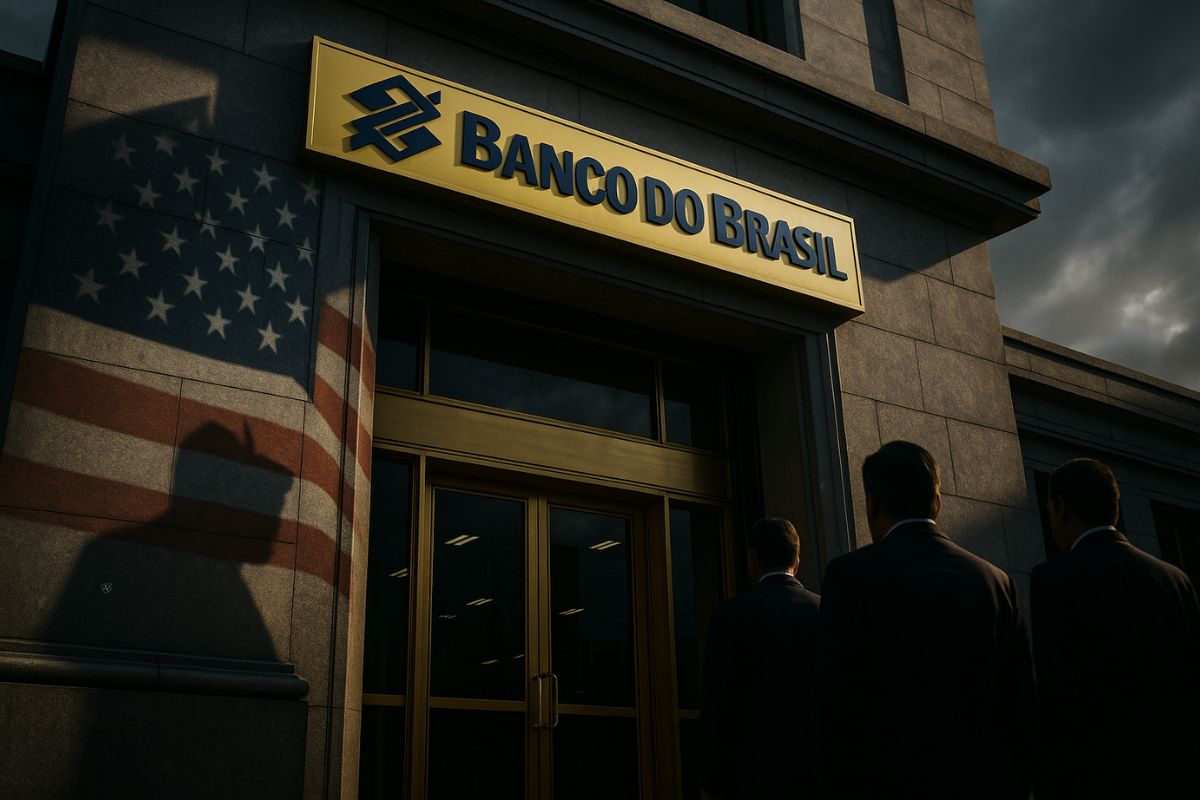


In an Exclusive Interview with Estadão, the Management of Banco do Brasil Recognized Risks Related to the Magnitsky Act, but Did Not Present Practical Measures, Reinforcing the Perception of Insecurity at Banco do Brasil and the Government’s Lack of Action in the Face of International Pressure.
The interview published by Estadão brought to light a delicate issue: the insecurity of Banco do Brasil in the face of American sanctions. When questioned about the impacts of the Magnitsky Act and the measures taken, the presidency of the institution limited itself to generic statements — respect for banking secrecy, compliance with Brazilian and international legislation, as well as scenario studies. No announcement of new protocols, adjustment plans, or mitigation timelines was made, which increases the reading of vulnerability at a time of strong external pressure.
According to experts, measures of this magnitude would require concrete responses. The bank’s silence on key points fuels the perception that there is no clear plan for protection against possible U.S. sanctions, which could compromise international correspondents, credit operations, and the reputation of the national financial system.
What Banco do Brasil Said in the Interview
In the interview, the president of BB emphasized obvious points: compliance with banking secrecy and the laws of the countries where it operates, including American regulations.
-
Norway’s $2 Trillion Dilemma: How Oil Revenue Created a Massive Savings Fund with Too Much Money to Spend

-
Microsoft Lays Off 4,800 Employees, Cuts 20% of Xbox Staff Amid AI Pressure on Major Tech Firm

-
Brazil’s ANP Opens 86 New Oil Blocks in the Equatorial Margin, Expanding the Amazon River Mouth Frontier

-
Warren Buffett’s Lesson: How Discipline, Extra Income, and Small Investments Can Transform Your Financial Future




She also highlighted that the bank conducts continuous studies on international scenarios.
Although correct, these statements were classified as generic and insufficient, as they did not detail practical compliance measures.
When directly asked if Brazilian banks had received formal notification from the U.S. government, the president neither confirmed nor denied.
She limited herself to mentioning “due diligence” and risk analyses, shifting the focus of the response to macroeconomic issues such as wars and trade pressures.
The result was seen as an evasion of the central theme: the specific exposure of BB to the Magnitsky Act.
The Background: Drop in Profit and Record Default
In addition to the international scenario, Banco do Brasil faces domestic pressures.
According to the interview, the institution’s profit in the last quarter fell 60% compared to the previous quarter, reflecting record defaults in the agribusiness sector in the second quarter.
This situation increases the urgency for clear measures to shield against external risks, as any additional shock could compromise funding costs and international operations.
The bank has a direct presence in about 20 countries, including Miami and New York via BB Americas, making the issue even more sensitive.
Recognizing the risk does not equate to mitigating it, and for institutions of this size, one would expect detailed actions such as reviews of internal client lists, calibration of compliance systems, and implementation timelines.
The Political Responsibility and Inaction of the Government
Another critical point highlighted by analysts is governance.
The Banco do Brasil is a mixed-economy institution, controlled by the State, which holds 50% + 1 of the voting shares.
The lack of clear guidelines from the federal government reinforces the perception that the bank may be vulnerable to political vulnerabilities in sanction scenarios.
In the interview, the president emphasized that it is not just BB, but the entire national financial system that is studying the effects of sanctions.
Although true, the argument does not replace the responsibility to present its own and specific measures for the bank.
Markets and clients expect individual clarity, not just sector solidarity.
The Risks of Delaying Action

The issue returned to the agenda on September 9, when the statement was recalled by Estadão.
The reappearance of the topic without practical updates indicates wasted time in a field where delay is costly.
In the event of sanctions, delays can have immediate effects, such as loss of correspondent banks, payment delays, and increased costs of external operations.
Questions remain open: there is no confirmation of formal notifications received, a plan to respond to the Magnitsky Act has not been disclosed, there are no timelines for reviewing compliance, and there is no transparency regarding potential impacts on clients.
This absence of solid responses reinforces the perception of insecurity at Banco do Brasil and government inaction.
The interview with Estadão did not provide the expected answers to such a grave issue.
By limiting itself to generic statements, Banco do Brasil widened the perception of vulnerability in the face of American sanctions, while the government continues to fail to present clear guidelines to protect a strategic institution.
Do you believe that Banco do Brasil is prepared to face potential U.S. sanctions or do you consider that the lack of a concrete plan exposes serious risks to the national economy? Leave your opinion in the comments — we want to hear from those who live this reality up close.