Portuguese
  Spanish


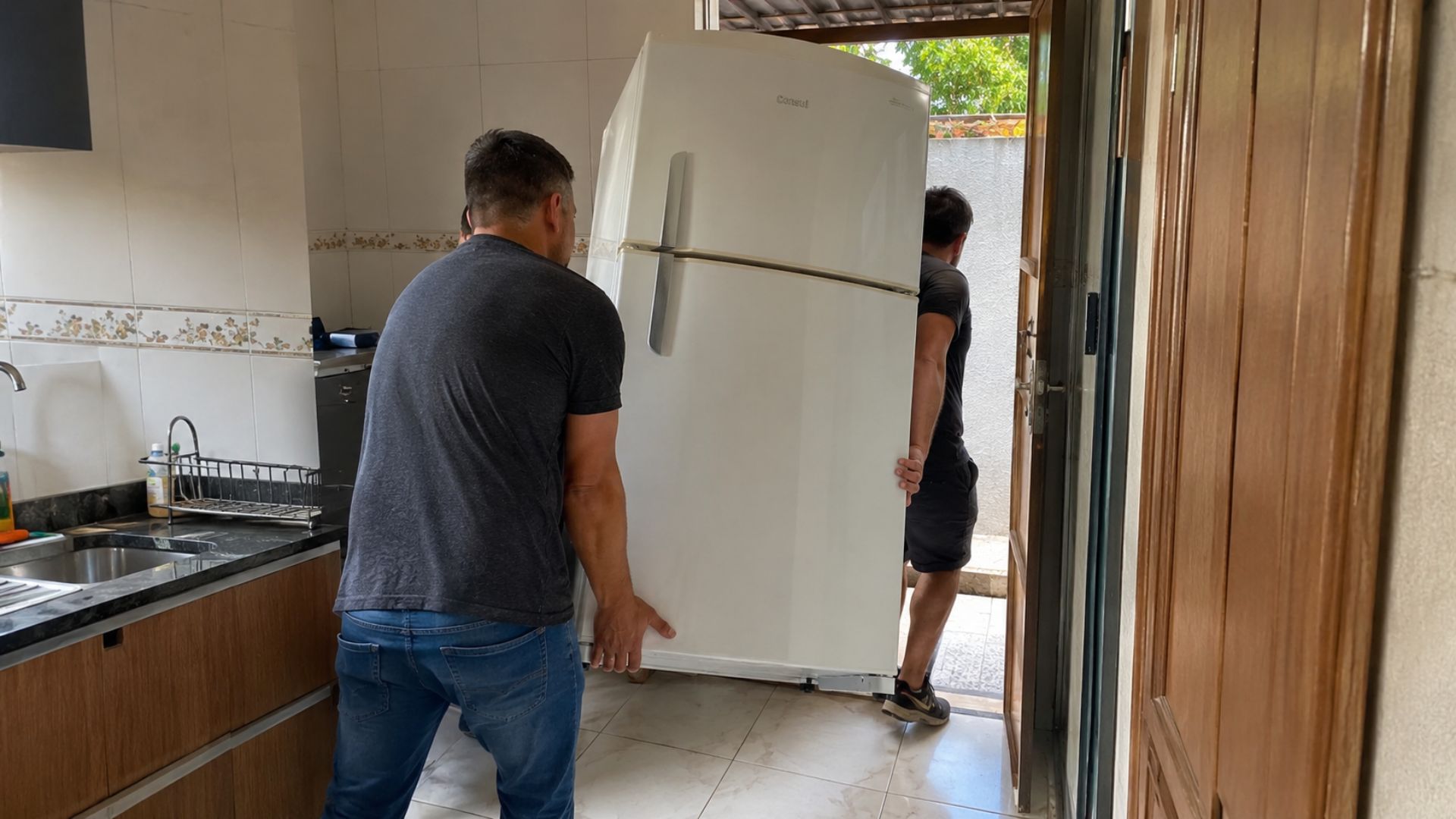

Consumers with an old refrigerator at home find an alternative that combines discount, home pickup, and environmentally correct disposal, while brands in the sector strengthen reverse logistics programs to reduce waste and encourage the exchange for more efficient equipment.
Consumers who keep an old refrigerator at home can use the appliance in a disposal program with home pickup, a discount on the purchase of a new refrigerator, and routing for environmentally correct disposal.
Linked to the brands Consul and Brastemp, from Whirlpool, the Troca Certa initiative allows scheduling the collection of the used appliance through official channels and completing the purchase of the new model with a discount applied according to the current campaign rules.
To participate, the consumer chooses a participating product, identifies the Troca Certa seal, provides information about the refrigerator to be discarded, and follows the indicated steps to arrange the pickup at the registered address.
-
Brazil’s July Bolsa Família Payments May Include Extra $150 and $50 for Families with Children, Pregnant Women, and Updated CadÚnico Registration

-
Brazilian Woman Buys €1 House in Sicily, Clears 50 Truckloads of Debris, and Transforms Ancient Ruin into Inspiring Life Project by 2026

-
Havan Competitor Expands in Brazil with 170 Stores, Offering Everything from Stationery to Asian Food and Focusing on Affordable Products to Attract Shoppers

-
Norway’s $2 Trillion Dilemma: How Oil Revenue Created a Massive Savings Fund with Too Much Money to Spend




For selected Consul models, the informed benefit is a 5% discount; on Brastemp product pages, discounts can reach 10%, while promotional offers vary according to the period, stock, and commercial rules.
How the old refrigerator pickup works
The journey begins by choosing the new refrigerator on the Consul or Brastemp website, always within the participating products that display the Troca Certa identification during navigation.
After selection, the buyer fills in the requested information about the old appliance, confirms the necessary data for logistics, and follows the instructions provided by the brand to enable home pickup.
With this format, the program seeks to solve two common barriers: facilitating the exchange for more efficient equipment and preventing old refrigerators from being abandoned, resold without control, or improperly disposed of.
Pickup at the indicated address reduces the difficulty of transporting a heavy appliance, especially for consumers who do not have an adequate vehicle or easy access to specialized disposal points.
In the available public information, the benefit does not appear linked to CadÚnico or income proof, as it is a commercial and environmental action aimed at consumers who meet the program’s conditions.
Among the requirements are the purchase of an eligible product and the delivery of a used refrigerator within the rules informed by the brand, paying attention to the specific conditions of each campaign.
According to Brastemp, the old refrigerator can be of any brand, as long as it meets the specified conditions and is properly disposed of through the indicated operation.
Similarly, Consul presents the initiative as an alternative to renovate the kitchen without leaving the old equipment unused at home or subject to improper disposal.
Which appliances can be included in the Troca Certa

The program is associated with the disposal of larger appliances, mainly refrigerators, which usually require specialized transport and proper treatment due to the materials present in their structure.
Public information about the partnership between Whirlpool and Dow indicates that materials weighing more than 30 kg can have home pickup, with national coverage and logistical support to reach recycling centers.
According to Exame, the operation plans to serve more than 5,500 Brazilian municipalities, with the participation of strategic partners, including the Post Office, to enable logistics in different regions of the country.
This reach extends the collection beyond large urban centers, a relevant point in a country where the correct disposal of appliances still depends on available regional infrastructure.
Non-functioning equipment also falls within the logic of environmentally correct disposal, as the main goal is to remove old devices from circulation and direct their components for proper treatment.
At this stage, the commercial utility of the used refrigerator is no longer the main factor, while the safe disposal of materials guides the reverse logistics operation.
Even so, the exact conditions need to be checked at the time of purchase, because each participating product may have its own discount rule, regional availability, and collection procedure.
Before finalizing the order, it is worth checking if the discount appeared correctly in the cart and if the pickup instructions were provided by the official channels of the chosen brand.
Why old refrigerators should not go to common trash
Out-of-use refrigerators should not be treated as common trash because they contain metals, plastics, rigid polyurethane foam, and refrigerant gases that require specialized handling to reduce environmental risks.
When this type of equipment is improperly discarded, components that could receive technical treatment are not properly reused and can increase the environmental impact associated with the product’s life cycle.
The initiative aligns with the National Solid Waste Policy, established by Law No. 12,305/2010, which set principles of shared responsibility for the product life cycle.
Within this framework, manufacturers, importers, distributors, retailers, and consumers have defined roles in the proper disposal of electronic equipment, with reverse logistics mechanisms aimed at reducing waste.
The partnership with Dow is part of the effort to structure the recovery and reprocessing of materials from these devices, leading the disposal chain to an environmentally controlled flow.


In 2026, the Akatu Institute also announced the integration between Reuse and Troca Certa, focusing on environmental education and responsible disposal of appliances.
This type of operation prevents the old refrigerator from remaining for years in garages, service areas, or makeshift storage, a common situation when the consumer does not find a simple removal alternative.
When the appliance loses its usefulness, the problem is not just the occupied space but also involves the risk of irregular disposal at some future point.
Energy efficiency can reduce monthly expenses
Replacing the refrigerator can also influence energy consumption, although the savings depend on the old model, the capacity of the new refrigerator, the local rate, and household usage habits.
In energy efficiency programs, there have been reports of refrigerators with the Procel seal capable of consuming up to 70% less energy than models replaced in specific actions.
In homes where the old appliance still works, the difference may appear month by month on the electricity bill, especially when the refrigerator is many years old or shows a loss of efficiency.
Older models tend to demand more from the compressor, may have worn seals, and usually do not have the energy-saving technologies present in refrigerators launched in recent years.
For this reason, the discount on the purchase should not be considered in isolation, as the decision involves initial rebate, free removal, environmentally correct disposal, and possible reduction in consumption over time.
The estimated savings of up to R$ 80 per month may occur in specific scenarios, but it was not confirmed on the official pages consulted as a general promise of the program.
Without comparing the monthly consumption of the two models and the energy rate applied in each region, this value should be treated as a variable reference, not as a guarantee to the consumer.
Campaign rules require attention before purchase
Those intending to use Troca Certa should check if the new refrigerator displays the program’s seal, as the benefit does not necessarily appear on all items in the brands’ portfolio.
It is also important to confirm if the discount was applied in the cart before payment, as conditions may change according to the campaign, available stock, product category, and offer period.
Another point of attention is scheduling the collection, which depends on regional logistics, correct address data, and compatible information about the type of equipment to be collected.
Errors in registration, lack of availability at the agreed time, or discrepancies about the old appliance may hinder the collection and delay the disposal stage planned in the operation.
The safest guidance is to carry out the entire procedure through the official channels of Consul or Brastemp, avoiding unauthorized intermediaries and checking the current rules before completing the purchase.
With this, the consumer can follow the steps planned for the collection, confirm the applied discount, and ensure that the old refrigerator enters a formal reverse logistics chain.
For those who were already planning to buy a new refrigerator, the initiative reduces the entry cost and provides an appropriate destination for an appliance that, without this forwarding, could remain unused at home.