






 Portuguese
  Spanish


After Paralysis Due to Heavy Rains, Ecuador Resumes Operation of OCP Pipeline, Responsible for 40% of Crude Oil Transportation in the Country.
Ecuador resumed operations on Monday (7) of the Heavy Crude Oil Pipeline (OCP), one of the main oil transport channels in the country, after a week of suspension caused by the risk of landslides due to heavy rains in the Amazon region.
The resumption was confirmed by OCP Ecuador, the company responsible for the pipeline, which conducted technical tests before releasing the operation.
The suspension had forced the country to temporarily halt its oil exports, the main product in Ecuador’s trade balance. The pipeline, which crosses the Napo province in the eastern part of the country, resumed operations at 08:26 local time (10:26 in Brasília).
-
Petrobras Begins Drilling Controversial Oil Well in Brazil’s Equatorial Margin Near the Amazon River Mouth

-
Petrobras Sets Record with 2.66 Million Barrels Per Day in Brazil’s Pre-Salt Oil Production
-
Petrobras to Double Natural Gas Supply in Northeastern Brazil with New Investment
-
Petrobras Approves $1.2 Billion Refinery in Brazil to Produce Aviation Fuel and Diesel from Plants
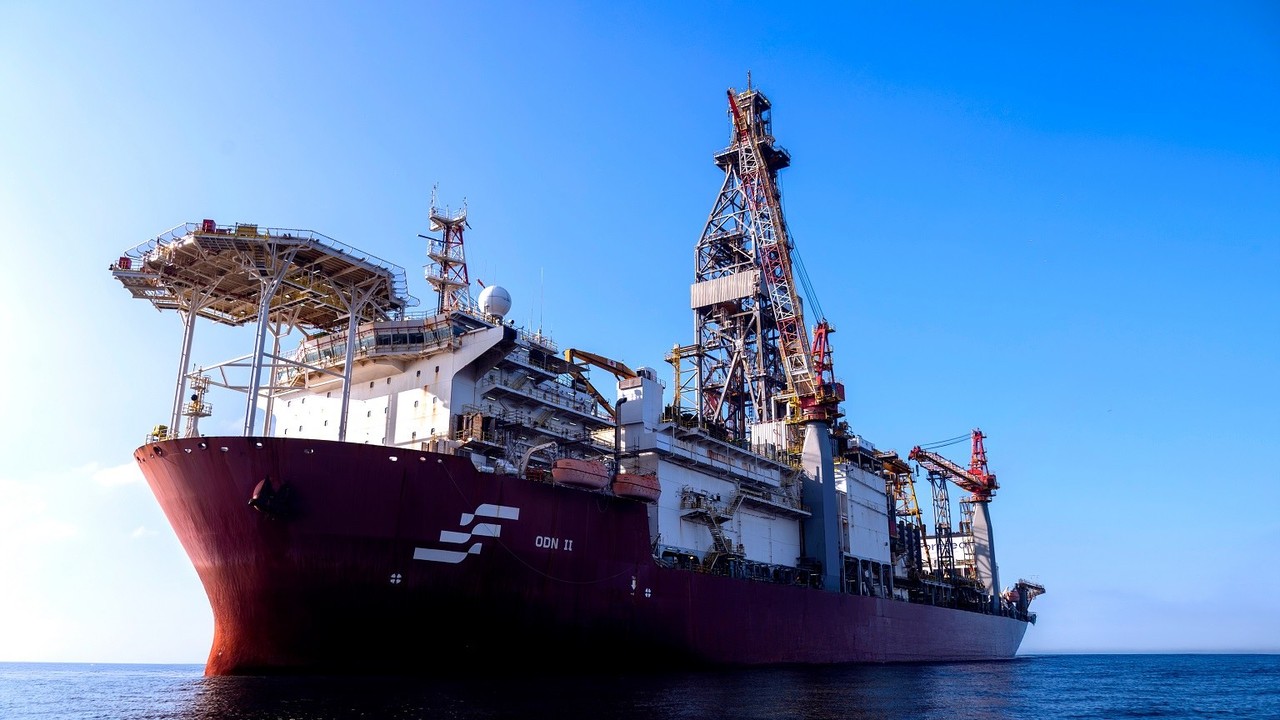


OCP Pipeline Transports 40% of Oil Production in Ecuador
With the capacity to transport 450,000 barrels per day, the OCP accounts for about 40% of the national oil production.
The company assured that it continues to monitor the area to ensure safe operations and prevent new risks of suspension.
Despite the partial resumption, the Trans-Ecuadorian Pipeline System (SOTE), the main state oil transport route with a capacity of 360,000 barrels per day, remains suspended.
The operations of the SOTE were also affected by the heavy rains that caused structural damage.
Oil Production and Exports Impacted by Climate Crisis
During the suspension, Ecuador reduced its crude oil production by about 250,000 barrels per day.
To avoid internal supply shortages, authorities ensured that the fuel supply to the population is preserved.
According to 2024 data, the country extracts an average of 475,000 barrels per day, of which 73% are exported, highlighting the sector’s dependence on the Ecuadorian economy.
Heavy Rains Cause Victims and Compromise Infrastructure
The crisis in the oil sector occurs amid a serious climate situation. Since the beginning of the year, torrential rains in Ecuador have resulted in 52 deaths, affected around 61,000 people, and destroyed over a thousand homes, according to the Risk Secretariat’s report.
The situation raises a warning about the increasingly frequent impacts of extreme weather events on the country’s strategic infrastructure, such as the pipelines crossing the Amazon rainforest.
Monitoring and Caution in Resuming Operations
Although the OCP pipeline has resumed activities, the company reported that it will maintain constant surveillance in the risk area.
The goal is to prevent new incidents that may compromise oil transportation and operational safety again.
The expectation is that the SOTE system will also resume operations in the coming days, but there is no official forecast yet.
In the meantime, Ecuador continues to deal with the direct effects of extreme weather on its energy infrastructure.


