Portuguese
  Spanish


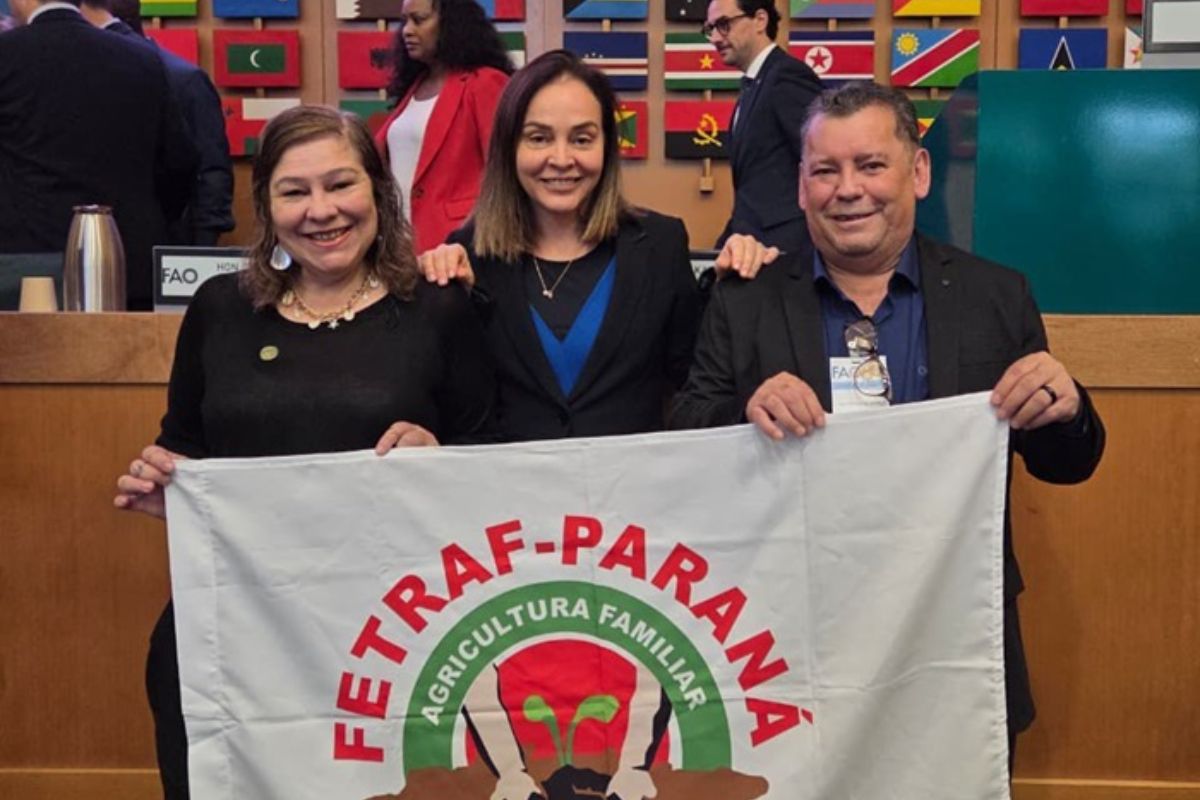


FAO Officially Recognized Shaded Mate as a Globally Recognized Agricultural System, Valuing Culture, Sustainability, and Family Farming in Southern Brazil
The shaded mate has just received one of the highest international recognitions granted by the Food and Agriculture Organization of the United Nations (FAO), according to a report published.
On the last day of October, in Rome, the institution formalized the cultivation of the native plant as part of the Globally Recognized Agricultural System (SIPAM).
The ceremony included representatives from the Ministry of Agrarian Development and Family Farming (MDA), the Ministry of Foreign Affairs, and producer communities from the south of the country.
-
Brazilian Scientists Develop World’s First Tropical Wheat for Biscuit Production, Yielding Up to 150 Bags per Hectare and Highly Resistant to Common Crop Disease

-
El Niño may boost corn and soybean harvests in Brazil and Argentina, offering potential relief for global food prices.

-
Japanese Wagyu Gains International Fame for Its Intense Marbling, Tender Cuts, and High Prices in Brazil
-
Brazilian Farmers with Basic Education Create Backyard Machines That Win National Invention Contest, Beating 242 Projects


The title consolidates the environmental, social, and economic value of this productive system, which has integrated nature and tradition for centuries.
The international recognition puts Brazil among the nations that keep ancestral and sustainable agricultural practices alive.
This is the second Brazilian agricultural system to receive the SIPAM seal, the first was the Collectors of Everlasting Flowers, in Minas Gerais, in 2023.
According to the deputy secretary of Land Governance and Territorial Development, Maristella Matos, this achievement reflects the fair and sustainable use of land and the balance between traditional knowledge and science.
She emphasized that the objective is to increase the number of recognized systems, reinforcing the prominence of rural communities.
Family Farming and Sustainability in the Production of Shaded Mate
The FAO title reinforces the importance of shaded mate for sustainable family farming in southern Brazil, where thousands of families depend on cultivation allied with forest preservation.
The system is based on the integration between the native plant Ilex paraguariensis and tree species that maintain natural shading, ensuring ecological balance and greater productivity throughout the year.
Production, carried out in conservation areas, combines agroforestry management, rural income, and environmental preservation, essential pillars for SIPAM recognition.
This type of cultivation reduces the need for deforestation, maintains soil fertility, and protects local fauna.
The system, valued by the FAO, stands out for uniting cultural, economic, and nutritional value, preserving the knowledge passed down through generations.

Cultural Heritage and Traditional Knowledge of Producer Communities
In addition to its environmental value, shaded mate represents an intangible cultural heritage of producer communities.
The beverage is a symbol of social interaction in mate circles, marking habits and rituals that span centuries.
The director of the Department of Territorial and Socio-Environmental Development of the MDA, Ana Elsa Munarini, explained that the certification recognizes the efforts of families who keep this culture alive.
Crop cultivation is done alternately with native species, reflecting the balanced relationship between nature and tradition.
The global recognition reinforces the role of science combined with popular wisdom. Studies from EMBRAPA, the Palmares Foundation, FUNAI, and the Ministry of Indigenous Peoples contributed to the technical validation of the system, proving its ecological and social relevance.
Environmental Preservation and Economic Valuation of Shaded Mate
The certification process for shaded mate took years of studies, technical assessments, and dialogue with local communities.
The FAO recognized the model as a global example of environmental preservation and sustainable economic valuation, capable of inspiring public policies for rational land use.
The system combines rural tradition, biodiversity conservation, and strengthening of the family economy, reinforcing Brazil’s role as a leader in sustainable agricultural practices.
From this recognition, it is expected to expand international trade of shaded mate and strengthen rural tourism linked to southern landscapes.
The plant, rich in nutrients and medicinal properties, now gains status as a global agricultural heritage, a milestone for valuing the work of hundreds of families and for the future of sustainability in the countryside.
Thus, shaded mate becomes a symbol of harmony between nature, culture, and sustainable economy.