






 Portuguese
  Spanish


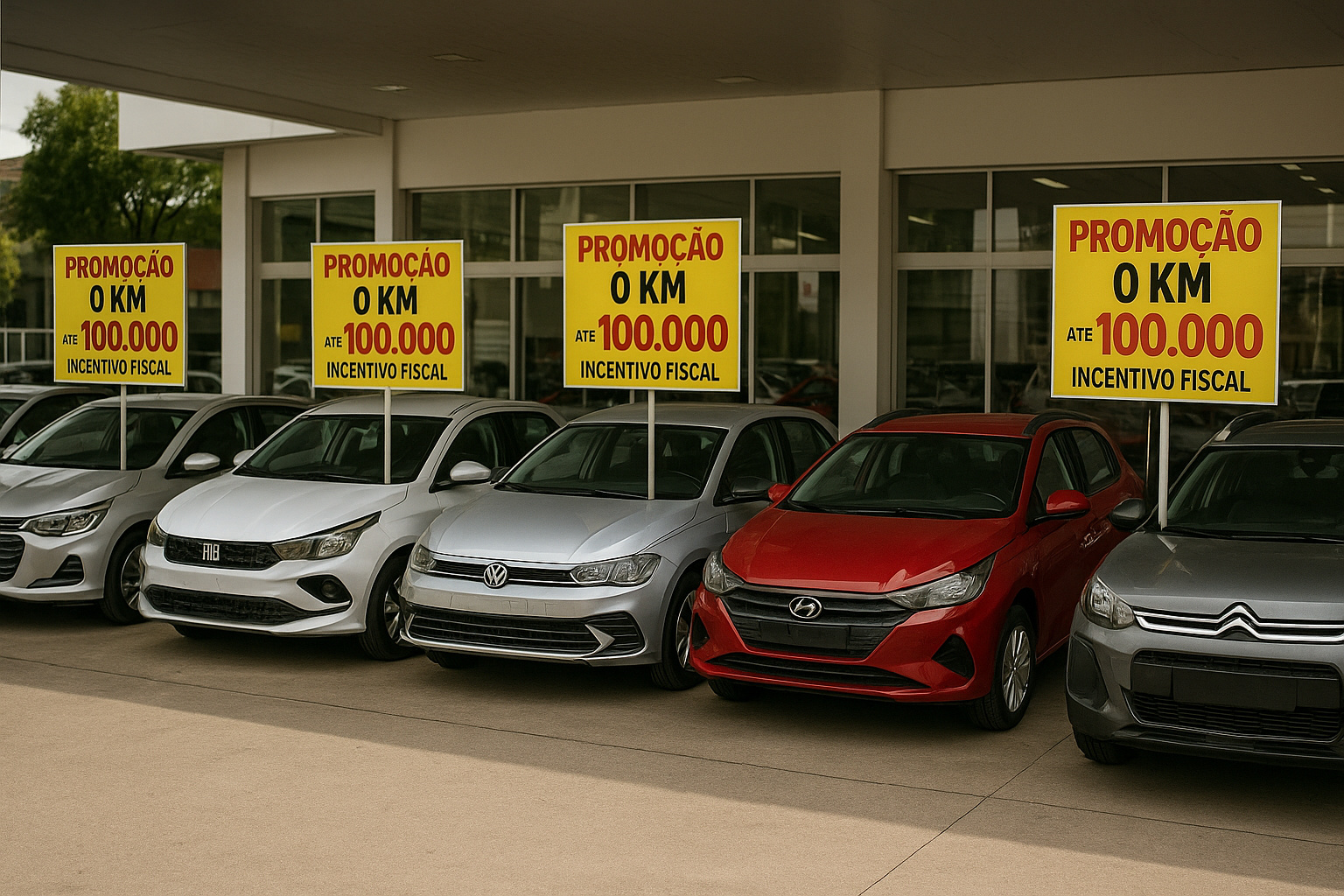


Fiscal Incentive Reduces Prices of New Vehicles in Brazil and Expands Opportunities for Consumers, Highlighting Options from Chevrolet, Fiat, Volkswagen, Hyundai, Citroën and Peugeot in Different Segments
The vehicle market in Brazil is experiencing a rare moment: the possibility of buying cars for up to R$ 100 thousand with fiscal incentives that significantly reduce the final price to the consumer. Since July, the Sustainable Car Program has come into effect, eliminating the Industrialized Product Tax (IPI) for national models equipped with flex engines. This measure is part of the government’s strategy to stimulate the economy and boost car sales in a scenario of industry contraction.
Although the official list covered by the benefit is limited, manufacturers have taken advantage of the movement to reposition prices of other vehicles that are not directly part of the program. Thus, consumers today find a more attractive range of models, with strategic discounts and promotions that were not on the radar at the beginning of the year. This scenario creates a unique opportunity for those who wish to trade in their car in 2025 without compromising their budget too much.
Models That Stand Out Among Cars Up to R$ 100 Thousand


Among the main options available, the Chevrolet Onix 2026 emerges as one of the protagonists, being part of the list of vehicles eligible for the government program. The best-selling hatch in Brazil over the past few years is known for its balance between price, fuel consumption, and equipment package. According to information released by Auto Esporte, this configuration reinforces the model’s attractiveness in a time of fierce competition in the compact segment.
-
Sales of Brazil’s Cheapest Electric Car Halted Before First Deliveries: E-Motors Suspends Emova Easy Due to Import Tax Increase and Rising Freight Costs

-
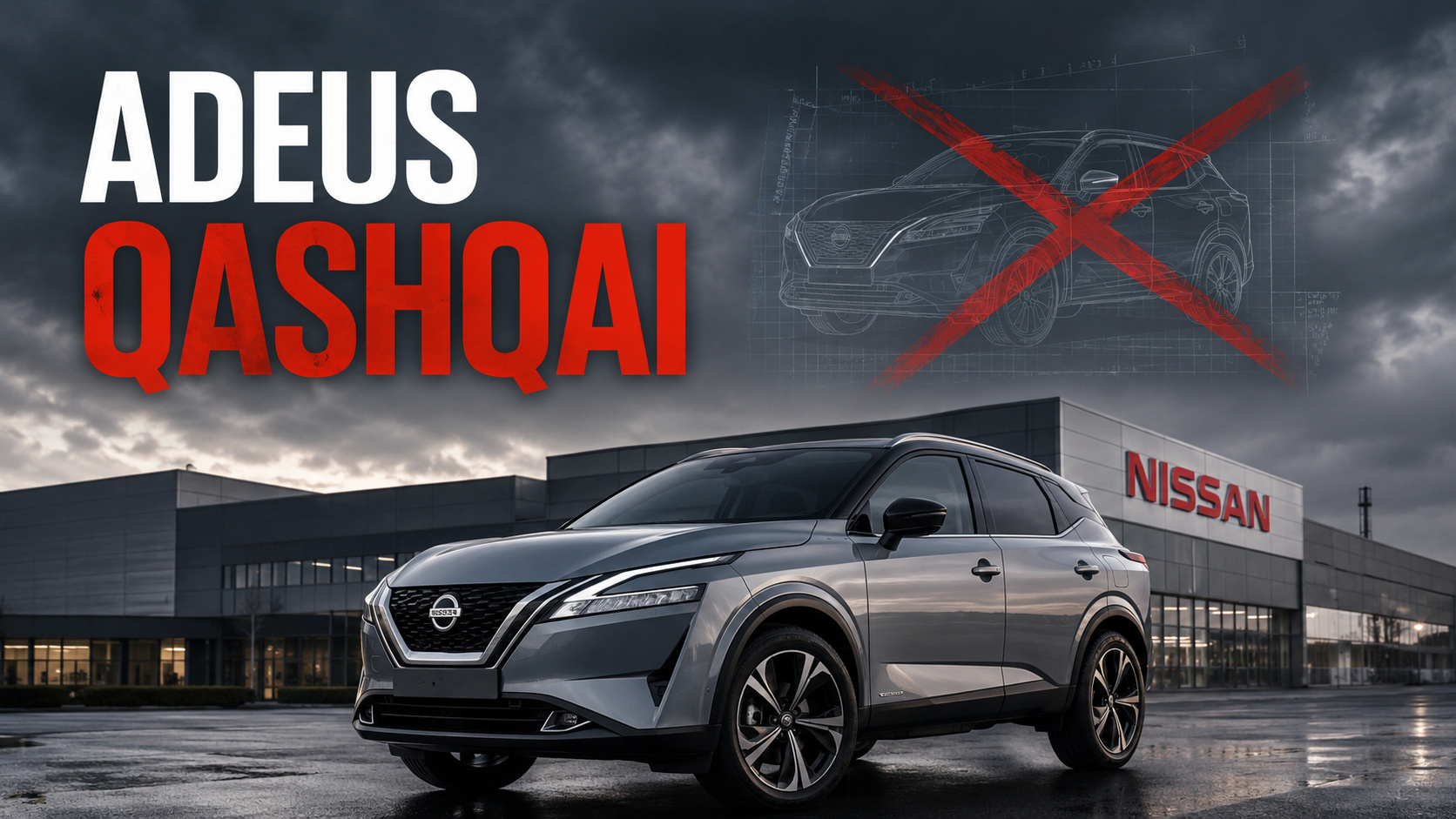
Nissan Discontinues Qashqai SUV Amid Cost-Cutting, Chinese Competition, and Product Line Review

-
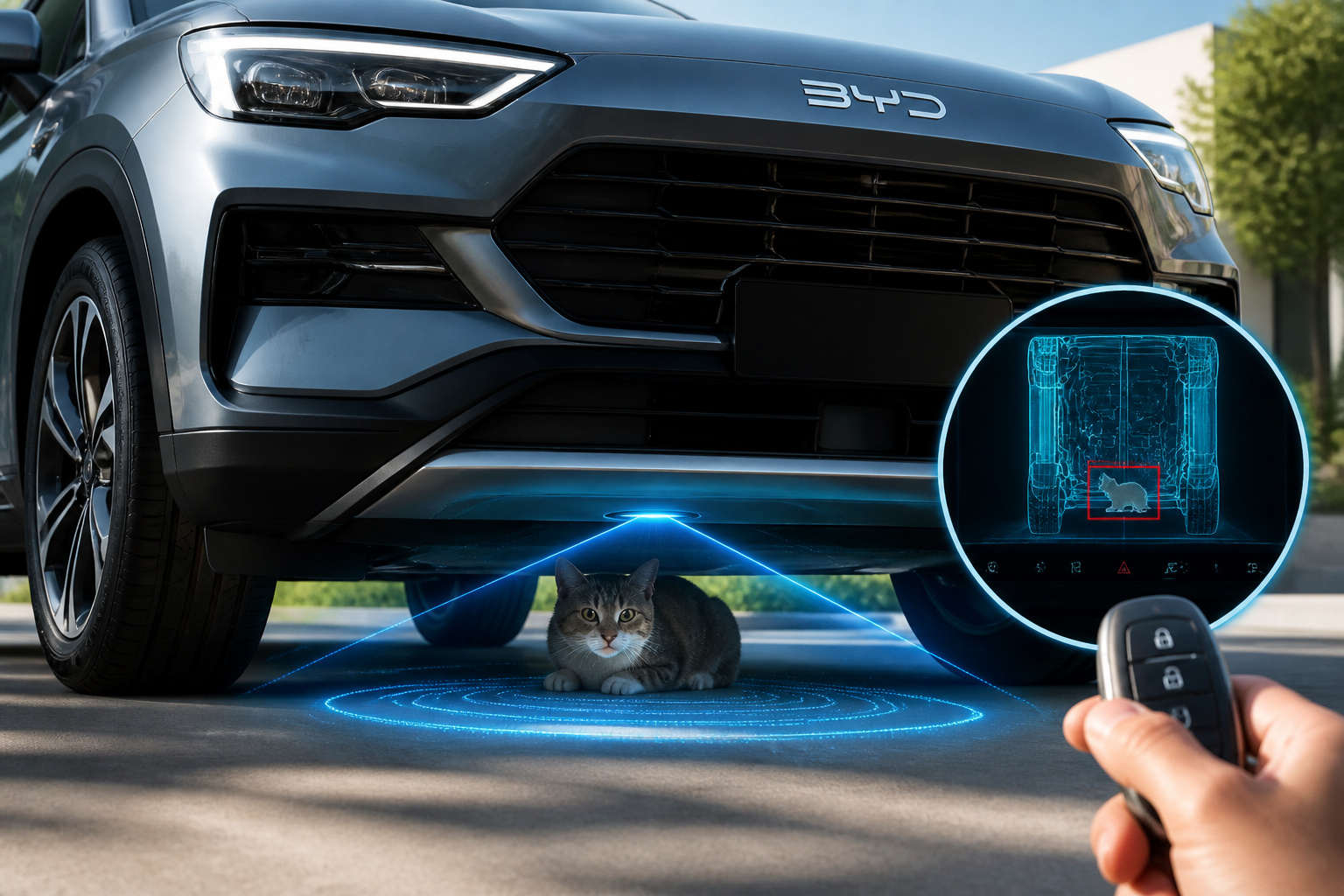
BYD Patents Revolutionary System Using Computer Vision to Detect Animals Under Cars Before Starting, Preventing Tragedies

-
Study Reveals Why Cars Are More Expensive to Produce and Buy in Brazil Compared to Mexico, Highlighting Taxes, Logistics, and Industrial Costs as Key Factors.


In addition to it, the list includes another 13 cars that fall into different categories. There are everything from affordable hatches to entry-level SUVs that address the Brazilian consumer’s desire for larger, more connected vehicles. Check out the complete selection of models that can be acquired at more affordable prices in this scenario of tax reduction and incentives:
- Citroën Basalt
- Citroën C3
- Chevrolet Onix
- Chevrolet Onix Plus
- Fiat Argo
- Fiat Cronos
- Fiat Pulse
- Hyundai HB20
- Hyundai HB20S
- Peugeot 208
- Volkswagen Polo
- Volkswagen Saveiro
- Volkswagen Tera
- Volkswagen Virtus
This selection not only offers variety but also demonstrates the strength of the six main manufacturers operating in the country. Each brand tries, in its own way, to win over the consumer who is still hesitant in the face of high prices in the automotive sector.
Comparison Between SUVs and Graphs for Informed Decision-Making
Among the highlights of the analysis, the comparison between the Fiat Pulse and the Volkswagen Tera, two entry-level SUVs that represent the new consumption trend in Brazil, stands out. These models combine modern design, greater internal space, and connectivity, factors increasingly valued by families and young drivers.
To facilitate consumer choice, the report also created radar graphs, taking into account six fundamental criteria: fuel consumption, internal space, performance, embedded technology, comfort, and cost-effectiveness. This visualization makes the decision clearer, allowing each driver to quickly identify which car best meets their usage profile.
Although many consumers still believe that buying a new car in Brazil is “too expensive,” the current initiative shows that the government and the industry are seeking ways to make prices more accessible. As highlighted by Auto Esporte, this may be the best window of opportunity in the year to get a new vehicle in the garage while spending less.
If you had R$ 100 thousand available today, would you take this chance created by the government to leave the dealership with a brand new car, or do you still think prices are out of touch with Brazilian reality?









Eu compraria.
Tenho interesse no Tera.
Fora da realidade, como sempre!!!