






 Portuguese
  Spanish
  3 min of reading
  0 comments


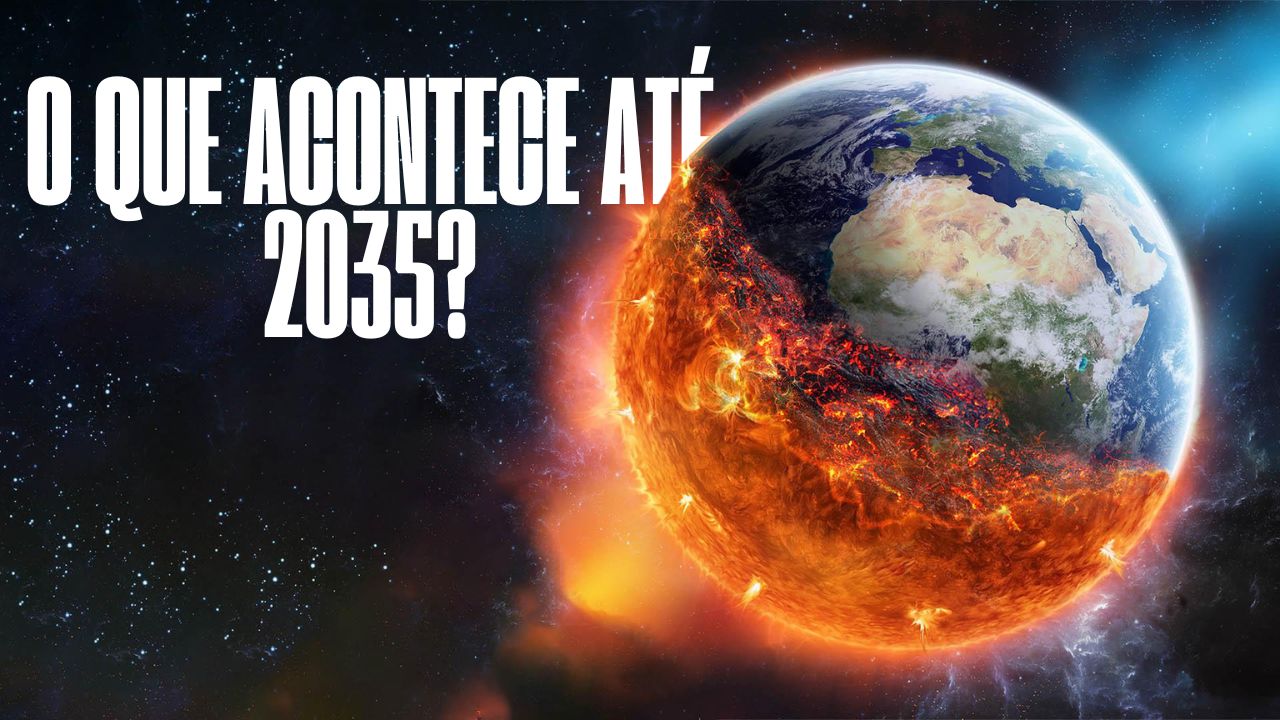
Global Study With 357 Experts Outlines The Future Of Humanity And Warns Of War Scenarios, Climate Challenges, And The Rise Of China As A Superpower
The future of the planet may be marked by geopolitical conflicts, technological advancements, and unprecedented environmental challenges. A study conducted by the Atlantic Council, involving 357 experts in international relations and global security, revealed that four in ten analysts foresee the start of a Third World War within the next ten years. The research indicates that China’s growth, the impact of climate change, and the advancement of artificial intelligence will be crucial factors in defining the global landscape by 2035.
Among the key forecasts, 40.5% of experts believe that a major conflict involving powers like the United States, China, or Russia could erupt by 2035. According to analysts, the use of nuclear weapons and battles in space are concrete possibilities, especially after the creation of the U.S. Space Force in 2019 by Donald Trump.
The growing rivalry between China and the U.S., coupled with the ongoing war in Ukraine, has led many experts to believe that a global military escalation is becoming increasingly likely. The study also revealed that 45% of respondents foresee Russia being involved in a war against NATO in the next ten years, a concerning increase compared to previous surveys.
-
Brazilian Joins Homeownership Consortium, Faces Decade of Dual Payments Totaling $141,000, Surpassing Traditional Mortgage

-
Land Rover to Halt Production in July, Putting 371 Jobs at Risk, as Chinese Automaker Negotiates to Convert Factory to 100,000 Vehicles Annually by 2027

-
Mexican Pest Threatens U.S. Cattle Herds at Historic Lows, Potentially Boosting Brazilian Beef Exports as Burger Prices Soar

-
Brazilian Freight Bill Progresses in Congress with $5,000 Minimum Wage, 70% Advance Payment, and Fines Up to $1 Million, as Agriculture and Industry Warn of Rising Costs and Legal Uncertainty


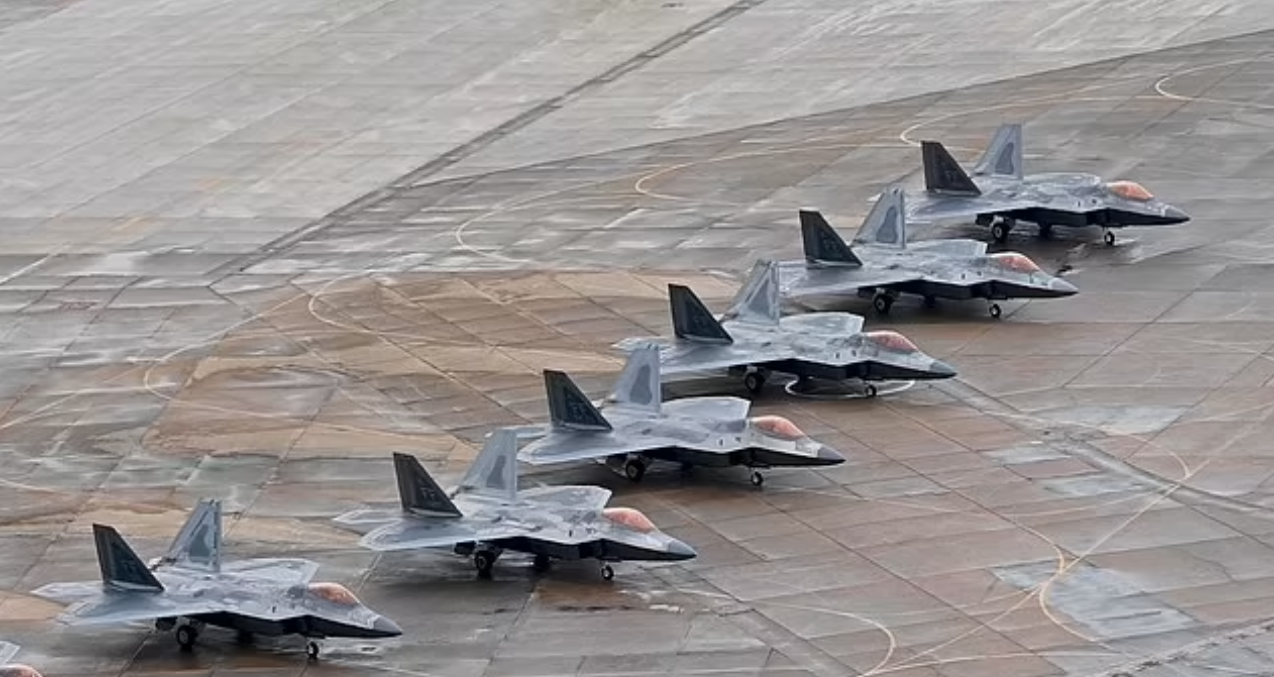
Climate Change Continues To Be A Major Threat, According To Experts
Despite concerns about geopolitics, the research pointed out that the primary threat to the planet by 2035 is climate change. About 29.9% of experts indicated that environmental impacts will surpass even a world war as the greatest challenge facing humanity.
Extreme events, such as more intense hurricanes and devastating wildfires, are already a reality, and experts believe the trend will be exacerbated. However, 51% of respondents believe there will be a more coordinated global effort to contain the climate crisis in the next decade.
Artificial Intelligence: Threat Or Ally?
Another crucial point of the study was the view on the advancement of Artificial Intelligence (AI). Despite fears about the impact of AI on jobs, 58% of experts assert that this technology will have a positive effect on global affairs.
Automation is transforming entire sectors, and many companies are already using AI to optimize processes. Still, there are concerns about China’s dominance in the tech sector, which could reduce the economic power and global influence of the U.S. Compared to the previous study, fewer experts believe that the United States will continue to be the dominant economic power by 2035.
The Growth Of China And The Decline Of The West
Experts also pointed to a significant shift in the global balance of power. Nearly half of respondents (47.4%) believe that China will form a new alliance with countries like Russia, Iran, and North Korea, creating an economic and military bloc capable of rivaling NATO and the G7.
The growing influence of China in Asia and its global economic expansion indicate that Beijing could become the major player in global geopolitics in the coming years. Although, 65% of analysts believe that China will attempt to invade Taiwan by 2035, which could trigger a large-scale conflict.
Middle East: Conflicts Without A Solution In Sight
In the Middle East, the study indicates that the conflicts between Israel and Palestine are expected to continue without resolution in the coming years. The majority of experts (62.5%) predict that Israel will still occupy Palestinian territories by 2035, while only 17% believe in the creation of an independent Palestinian state.
However, 56% of respondents believe that Israel and Saudi Arabia will establish formal diplomatic relations in the coming years, which could change the geopolitical landscape of the region.





-

-

-

11 people reacted to this.