






 Portuguese
  Spanish


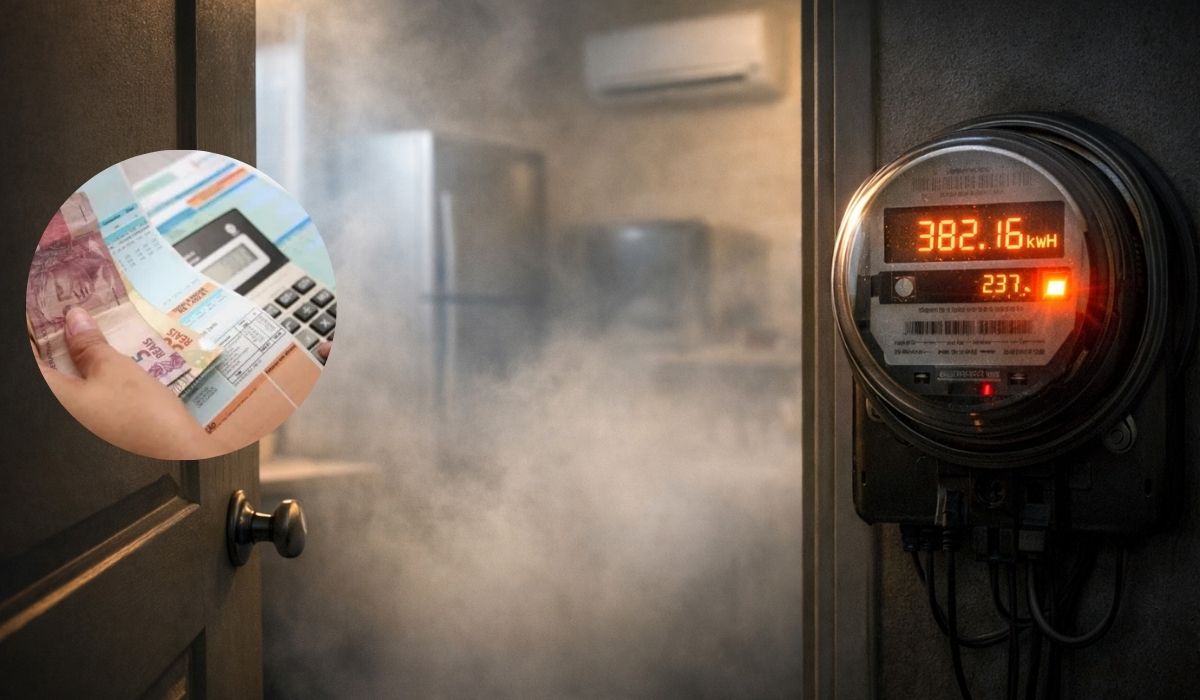


Equipment Used For A Few Minutes Can Concentrate A Large Part Of The Monthly Energy Consumption In Households, According To Technical Data From The Electric Sector, And Directly Impact The Final Value Of The Electricity Bill.
When the electricity bill increases, many consumers associate the adjustment with devices that remain on for long periods, such as refrigerators, televisions, and air conditioners.
Although these appliances have a significant share in consumption, technical surveys from utility companies and energy efficiency organizations indicate that, in homes with electric water heating, the electric shower usually concentrates one of the largest portions of monthly spending.
The explanation lies in the power required to heat water almost immediately.
-
A fossil kept for years in a small museum in Montreal concealed 450-million-year-old soft tissue, a discovery that has only happened once before in history.

-
At 14 years old, she worked in a factory in Hong Kong, studied economics abroad, and then entered the Chinese real estate market, which helped change the landscape of Beijing.

-
Engineers spend a decade building a $2.3 million bridge, but the project features a surreal curve, becomes a joke, and ends with seven suspended.

-
7-year-old boy acts without hesitation and saves his 1-year-old brother from drowning in the family pool in Texas: the boy’s courage impressed the sheriff and he may now receive an official police commendation.




The equipment uses a high-capacity electric resistance, which operates close to its limit whenever activated.
Thus, even operating for a few minutes, the consumption per use tends to be high.
Unlike appliances that work in cycles, the shower maintains intense power throughout the entire period it is on.
Refrigerators and freezers, for example, alternate the compressor operation to maintain the internal temperature.
This spreads the demand throughout the day.
In contrast, during showers, energy is consumed continuously while the hot water is on.
Shower Power And Shower Time Increase Consumption
Energy efficiency experts explain that spending depends on the combination of the appliance’s power and the usage time.
Residential models typically range from 4,500 watts to 5,500 watts.
In a scenario of average daily use amounting to about 30 minutes a day over the month, consumption can exceed dozens of kilowatt-hours monthly, according to technical estimates released by energy companies.

The higher the nominal power of the shower, the greater the consumption tends to be under the same time and temperature conditions.
Setting it to the hottest position also increases the electrical demand, especially during colder weather, when the difference between the ambient temperature and the desired temperature is greater.
In addition to power, household habits directly influence the outcome on the bill.
In homes with more residents, the number of daily showers increases the impact.
Prolonged or successive showers, without long intervals between uses, contribute to raise the consumption accumulated over the month.
Refrigerators And Air Conditioners Don’t Always Lead The Electricity Bill
The perception that the refrigerator is primarily responsible for the bill amount is related to the fact that the appliance remains on 24 hours a day.
However, according to data from manufacturers and energy efficiency labeling programs, consumption is distributed over time, with variations depending on door openings, sealing, and external temperature.
The air conditioner, in turn, can represent a significant portion of the bill in hot climate regions or in homes where the unit operates for several hours daily.
Still, this is not a uniform reality across the country.
In many homes, the equipment is not used every day or is not even present.
In the case of the electric shower, the combination of high power and frequent use explains why it frequently appears among the main contributors to monthly energy consumption.
This is especially true in properties that do not use gas heating or solar systems.
Habits That Directly Influence The Bill Amount
Reducing consumption is directly tied to the duration of use and the selected setting.
Electricity sector technicians recommend that reducing shower duration proportionally lowers the energy used, as the resistance remains on for less time.
Avoiding the maximum heating position, when possible, can also help moderate the spending.
Another practice recommended by experts is to turn off the tap while lathering, reducing the time the equipment stays active.


It is worth noting that the impact is not limited to long showers.
In homes where residents take more than one shower a day, total consumption can increase even if each use is relatively short.
The determining factor is the total usage time over the month.
Differences Between Households And Heating Methods
Not all households have the same consumption profile.
In properties with gas heating or central systems, the weight of the electric shower on the electricity bill no longer exists, but it may be transferred to another payment source, such as the gas bill.
In homes where the electric appliance is the main method of water heating, the installed power and family routine tend to decisively influence the final value.
The number of residents, the frequency of showers, and the chosen temperature form a set of variables that alter the result month to month.
As the electricity bill only presents the total consumed in kilowatt-hours, there is no breakdown by appliance.
Therefore, the evaluation depends on observing one’s own habits and comparing periods with different usage patterns.





Eu já faço isto há mt tempo,falo pra tds, lavar o cabelo 1*, após molho td corpo e fecho o chuveiro,ensaboar o corpo c/sabonete na bucha esfregar bem,aí liga
o chuveiro e se enxaguar então desligar o chuveiro de vez.Eu faço assim e falo pra todas pessoas fazerem o mesmo..