Portuguese
  Spanish


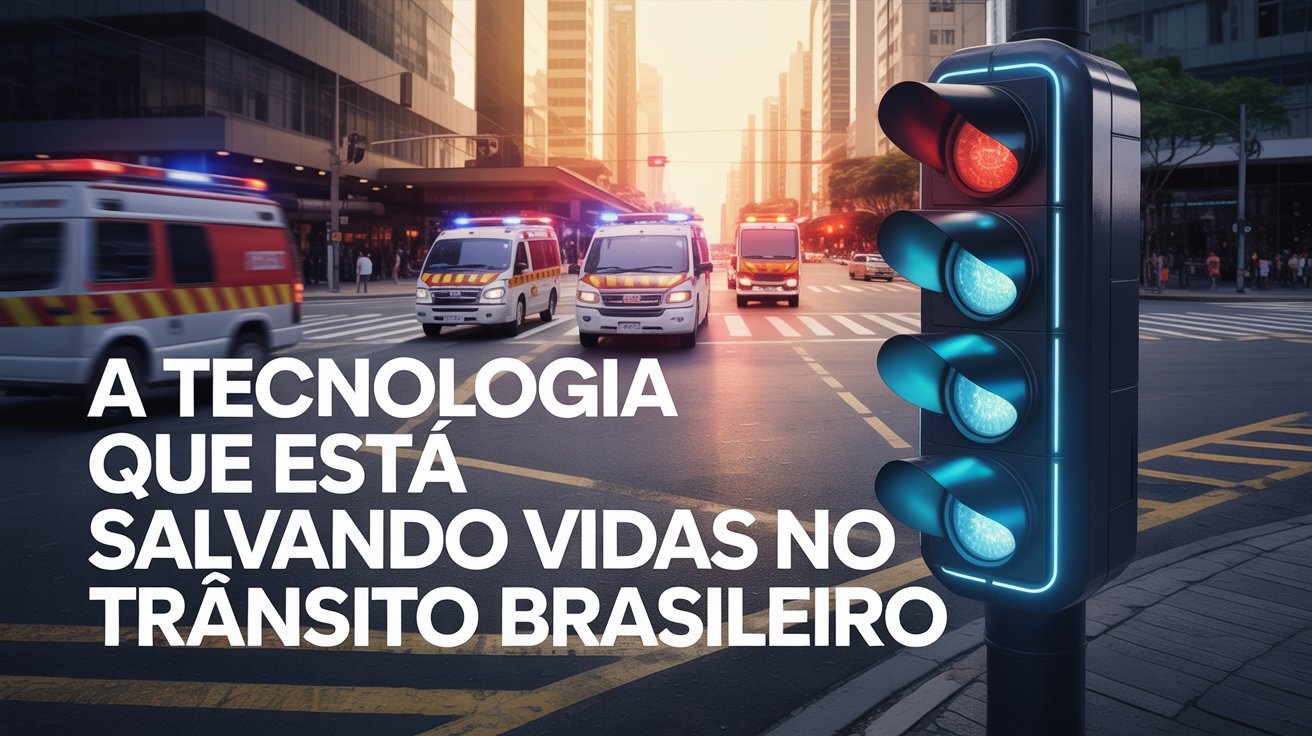

Innovative Technologies Are Transforming Mobility in Brazilian Cities. Artificial Intelligence, IoT, and Intelligent Traffic Systems Promote Improvements in Traffic Flow and Ensure Greater Safety on Urban Roads.
The advancement of technology has transformed traffic in Brazilian cities, providing more safety, efficiency, and sustainability.
With population growth and the increase in the vehicle fleet, innovative solutions have been implemented to face the challenges of urban mobility.
Intelligent transportation systems, such as adaptive traffic signals and fuzzy logic, are being adopted to optimize vehicle flow and reduce emergency service response times.
-
11-Year-Old Entrepreneur Turns Fear of Bees into Honey Lemonade, Wins $60,000 on Shark Tank, Secures Whole Foods Deal, and Expands Brand Across U.S. Stores

-
9-Year-Old in Brazil Sells Homemade Sweets to Support Grandfather with Parkinson’s, Family Dreams of Buying Candy-Making Machine

-
Man Disguises as His Own Mother to Collect €3,000 Monthly Pension, but Makeup and Beard Stubble Raise Suspicions at Registry Office

-
Brazilian Airport to Receive $2.8 Million Investment, Completion Expected Within a Year





In addition, technologies such as the Internet of Things (IoT) and artificial intelligence (AI) are being integrated to monitor and control traffic in real-time.
Fuzzy Logic: Adaptability in Traffic Control
Fuzzy logic, or fuzzy set theory, is a mathematical approach that deals with uncertainties and allows traffic control systems to be more adaptable to the real conditions of the roads.
This technology enables traffic signals to adjust their timings based on traffic density and the presence of priority vehicles, such as ambulances and police cars.
In cities like Campinas, São Paulo, tests with open-source platforms and IoT devices integrated with traffic signals have demonstrated significant improvements in traffic flow.
Continuous monitoring and real-time adjustments resulted in faster and safer travel for all road users.
Benefits of Intelligent Traffic Systems
The implementation of intelligent traffic systems brings various benefits for urban mobility.
One of the main benefits is the reduction of response time for emergency vehicles, which can be crucial in critical situations.
Additionally, reducing traffic congestion contributes to lower emissions of pollutants, promoting a cleaner and healthier urban environment.
These systems are designed to be flexible and adaptable to different urban contexts, allowing cities of all sizes to adopt these technologies and promote significant improvements in urban mobility across the country.


Expansion and Future of Intelligent Mobility
The success of tests in cities like Campinas indicates a promising future for the expansion of these technologies in other regions of Brazil.
In smaller localities, where resources are limited, the application of intelligent traffic systems can represent a viable and effective solution to improve mobility.
In addition to benefiting emergency vehicles, there is potential to integrate these systems with other urban services, such as public transportation and fleet management.
With expansion plans for various regions, these innovations are expected to contribute to more sustainable and efficient urban development.
Perspectives for National Implementation
Ongoing research suggests a future where Brazilian cities can adopt advanced technologies in traffic management.
The goal is to ensure that all cities, regardless of their size, can benefit from these innovations without the need for large investments.
Understanding the particularities of each city is essential for developing mobility plans that meet their specific needs.
The adoption of these technologies not only helps relieve traffic but also improves urban quality of life, making cities more livable and sustainable.
And you, do you believe that technology can transform traffic in your city? Share your opinion in the comments!