






 Portuguese
  Spanish


On June 19, 2026, Petrobras approved the final investment decision for the construction of a biorefinery plant at the Presidente Bernardes Refinery (RPBC) in Cubatão, on the coast of São Paulo, with an estimated investment of about US$ 1.2 billion. The unit will be dedicated to the production of aviation bio-kerosene and renewable diesel, fuels made from plant-based raw materials, and is expected to start operations in 2030.
The project represents one of the state-owned company’s largest recent investments in low-carbon energy and marks the company’s definitive entry into the sustainable aviation fuels market, a segment that is growing worldwide as the aviation sector seeks to reduce its emissions. The plant will have the capacity to produce up to 15,000 barrels per day of renewable fuels.
What the new plant will produce
The Cubatão unit will focus on two main products. The first is aviation bio-kerosene, known by the acronym SAF, which stands for sustainable aviation fuel. It is a substitute for fossil kerosene that powers airplanes, produced from renewable sources such as vegetable oils and residual fats, with the potential to significantly reduce carbon emissions from flights.
-
Petrobras Secures $2.2 Billion Contract to Build and Operate Four Support Vessels for Brazil’s Offshore Oil Fields

-
Oil production grows in Rio, but reserve replacement raises a warning sign

-
Petrobras is expected to complete the drilling of the Morpho well in the Foz do Amazonas in August 2026, the first well in the Equatorial Margin, an oil frontier that the ANP estimates at more than 30 billion barrels and could redraw the map of Brazil.

-
Oil returns to the center of concerns with tension between the US and Iran





The second product is renewable diesel, also called R diesel, a fuel chemically similar to regular diesel but made from biomass. Unlike traditional biodiesel, renewable diesel can be used in engines without the need for adaptation and in larger blending proportions, making it attractive for heavy transport and truck fleets.
Why the bet on sustainable fuels
The decision follows a global trend. The aviation sector faces increasing pressure to reduce its emissions, and sustainable aviation fuel is currently the main available alternative, as electric or hydrogen airplanes are still far from large-scale commercial operation. International targets and European regulations are demanding a minimum blend of SAF in flights, creating a strong demand for this type of fuel.
The pressure for cleaner flights continues to grow.
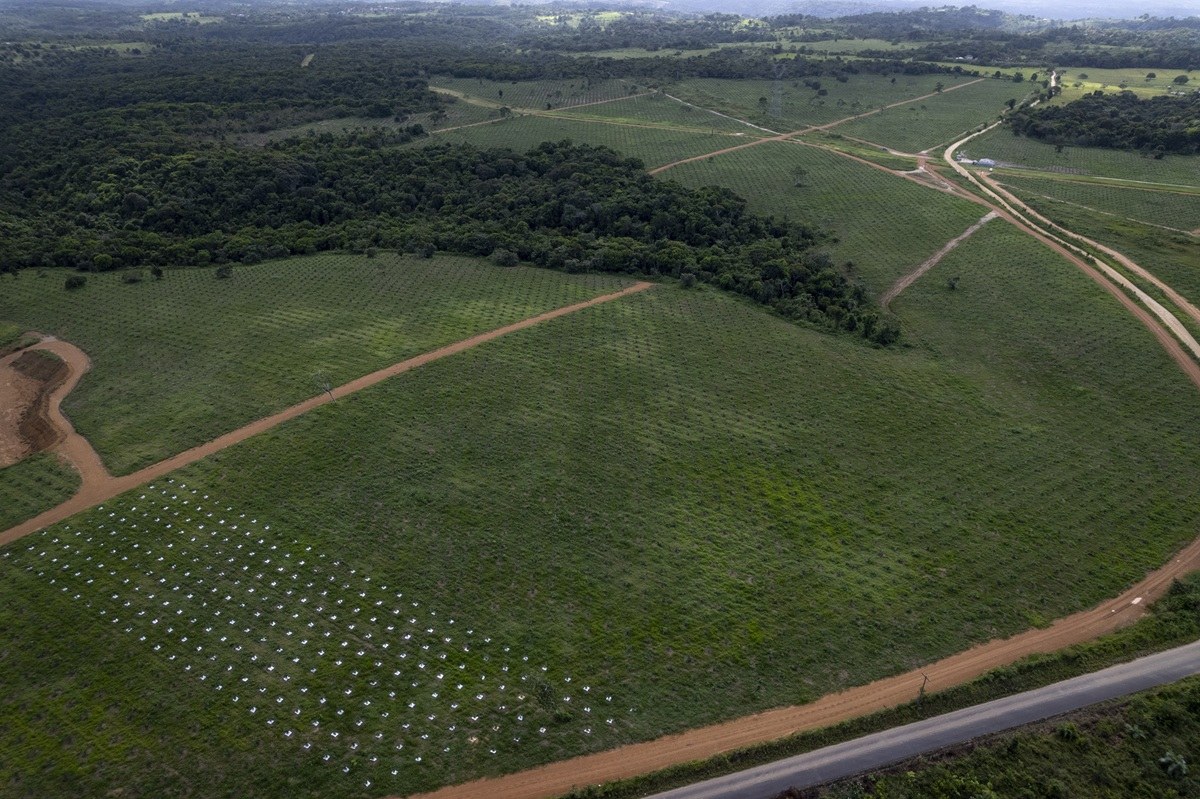
In Brazil, the Fuel of the Future policy, enacted into law, established targets for the addition of renewable fuels and opened space for investments like that of Petrobras. The country has a competitive advantage in this market as a major agricultural producer, with an abundant supply of raw materials such as vegetable oils that serve as the basis for SAF and renewable diesel.
For Petrobras, the project diversifies the portfolio and positions the company in a future segment, without abandoning its strength in oil. The company’s strategy for the coming years includes significant investments in ethanol, biodiesel, biomethane, renewable diesel, and SAF, as part of the energy transition effort closely monitored by investors.
The choice of Cubatão
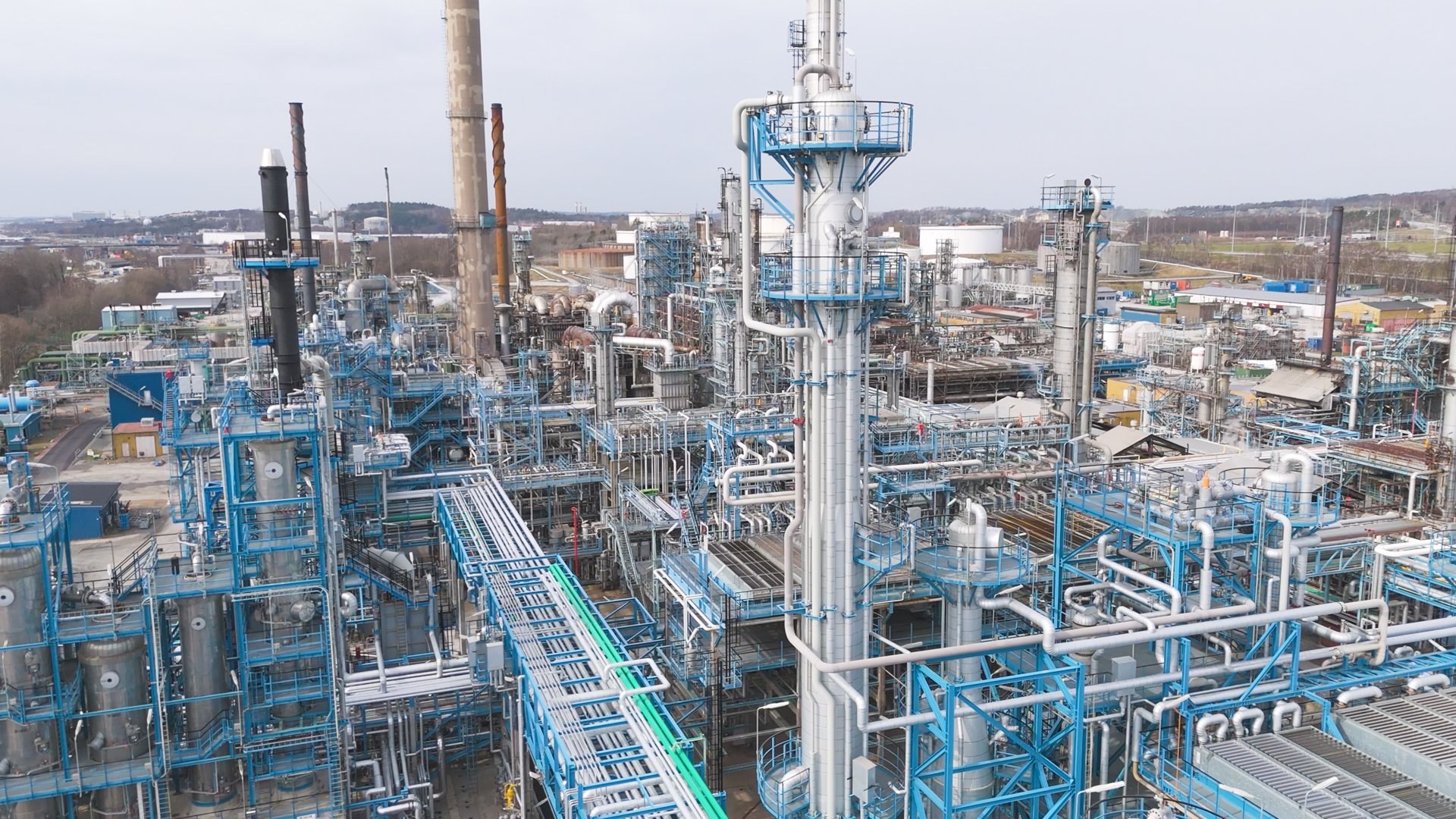
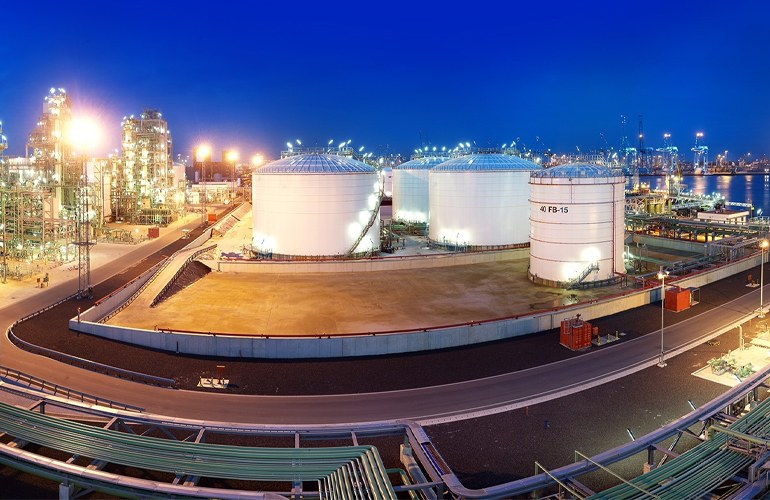
The location is no coincidence. The Presidente Bernardes Refinery in Cubatão is one of the oldest in the country and is strategically located near the Port of Santos and the major consumer centers in the Southeast. Installing the biorefinery in an existing refinery allows for leveraging part of the infrastructure, logistics, and skilled labor available in the region, reducing cost and implementation time.
The choice also carries symbolic weight. Cubatão was known for decades for heavy industrial pollution, and installing a renewable fuels plant there signals the transformation of the petrochemical hub towards a production with less environmental impact. The construction is expected to generate jobs during the building phase and in the operation of the unit.
The timeline and next steps
With the final investment decision approved, Petrobras now moves to the contracting and construction phase of the plant, which is expected to start operations in 2030. Industrial projects of this scale involve detailed engineering, licensing, and assembly stages that extend over several years before production begins.
The investment of about US$ 1.2 billion in Cubatão is part of a broader plan by the state-owned company, which foresees billion-dollar investments in the state of São Paulo by the end of the decade, focused on exploration and production, refining, gas, logistics, and biofuels. According to the Petrobras Agency, the bio-kerosene and renewable diesel plant is one of the central pieces of this low-carbon strategy.


