






 Portuguese
  Spanish
  5 min of reading
  0 comments


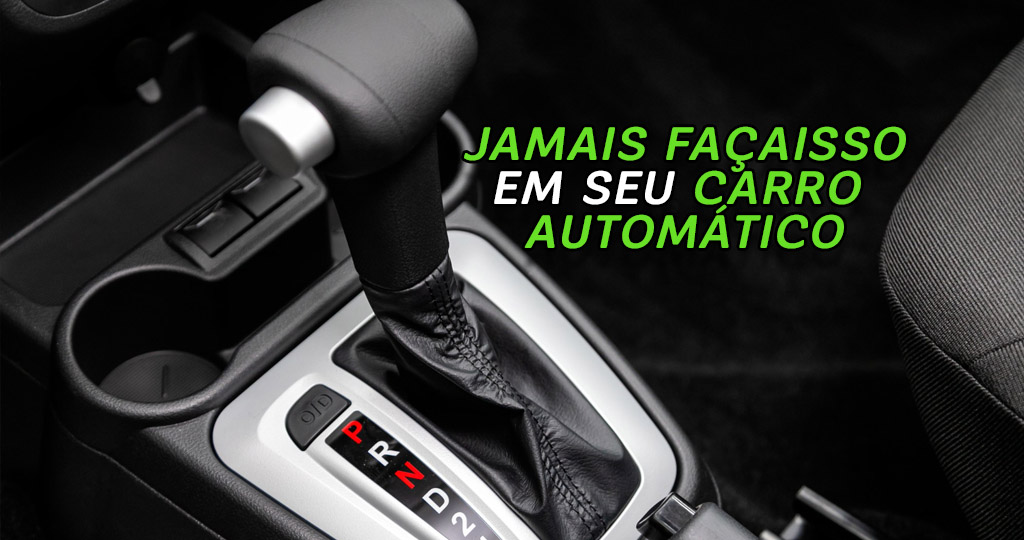
Discover The Seven Mistakes That Can Damage Your Automatic Transmission And How To Avoid Them. Driving Automatic Cars Seems Easy, But Some Habits Can Cost You. Learn To Take Care Of Your Vehicle And Prolong Its Lifespan With These Essential Tips.
Driving an automatic car seems easy, doesn’t it? After all, without the need to shift gears manually, driving becomes smoother and more comfortable.
But Are You Taking Good Care Of Your Automatic Transmission? Discover Now The Seven Practices That May Be Harming Your Vehicle And Learn How To Avoid Them To Prolong The Lifespan Of Your Car.
Never Switch From ‘Drive’ To ‘Reverse’ While The Car Is Moving
According To Experts, Changing Gears While The Car Is Still Moving Is One Of The Biggest Mistakes Drivers Make.
-
Uber Faces Shareholder Scrutiny as Board Accused of Ignoring Safety, Compliance, and Harassment Warnings Amid Over 3,500 U.S. Lawsuits

-
Ferrari’s First Electric Car Divides Fans, Priced at $630,000, Amid Concerns Over Limited Editions; Brand Clarifies It’s Not Just for Future Perks
-
BYD Dolphin Mini: The Electric Car That Defies Depreciation, Losing Only 3.58% in a Year and Becoming the Best-Selling Retail Model Under $22,000

-
Electric Car JAC E-JS4 Loses $19,000 in Value in One Year, Leading Record Depreciation of Used Cars in Brazil Due to Expensive Battery and New Models


When You Do This, The Transmission Is Being Used To Stop The Car, Not The Brakes. This Can Cause Serious Damage And Cost A Lot. If You Have The Habit Of Switching From ‘Drive’ To ‘Reverse’ While The Car Is Still Moving, Be Prepared To Spend Over Three Thousand Reais On Repairs.
This Practice Wears Out The Internal Components Of The Transmission. When You Switch From ‘Drive’ To ‘Reverse’ While The Car Is Moving, You Force The Transmission To Act As A Brake, Which Is Not Its Function. The Car’s Brakes Were Designed For This Purpose And Are Made To Withstand The Wear That This Causes.
The Transmission, On The Other Hand, Is Not. When The Transmission Is Forced To Stop The Car, Its Internal Components Experience Excessive Stress, Which Can Lead To Premature Failures And Expensive Repairs.
Do Not Shift To ‘Park’ Before Coming To A Complete Stop
According To Experts, Engaging ‘Park’ Before The Car Comes To A Complete Stop Can Cause Irreversible Damage To The Transmission.
Newer Models Have Sensors That Prevent This Action, But If Your Car Doesn’t Have This Technology, Avoid This Habit. The Park Position Is Made To Prevent The Car From Rolling, Not To Stop It While It Is Still In Motion.
When You Shift The Car Into ‘Park’, A Pin Locks The Transmission Shaft, Preventing The Wheels From Moving. If The Car Is Still In Motion When This Happens, The Pin Can Wear Out Or Break.
Additionally, Forcing The Pin Against The Moving Shaft Can Cause Significant Internal Damage To The Transmission, Which Can Result In Costly Repairs. Therefore, Always Ensure That The Car Is Completely Stopped Before Engaging ‘Park’.
Avoid Shifting To ‘Neutral’ When Stopping At A Traffic Light
Keeping The Car In ‘Drive’ While Waiting At A Traffic Light Is The Best Option. Shifting The Car To ‘Neutral’ Can Cause You To Lose Control In Emergency Situations. Moreover, If You Forget That The Car Is In Neutral, You Might End Up Accelerating And Burning More Fuel Unnecessarily.
When The Car Is In Neutral, You Have Less Control Over It. If You Need To Make An Emergency Maneuver, You Might Not Have Enough Time To React.
Additionally, By Keeping The Car In ‘Neutral’ At A Traffic Light, You Might End Up Using More Fuel When Trying To Accelerate Quickly When The Light Turns Green. Keeping The Car In ‘Drive’ With Your Foot On The Brake Is Safer And More Efficient.
Do Not Coast Downhill With The Car In Neutral
According To Experts, Coasting Downhill In A Neutral Car Does Not Save Fuel And Can Be Dangerous. Automatic Cars Automatically Cut Off The Fuel Supply When Going Downhill, So Keeping Them In ‘Drive’ Is Safer And More Efficient. Furthermore, Coasting In Neutral Compromises Vehicle Control.
When Coasting In Neutral, You Cannot Accelerate If Needed, Which Can Be Dangerous In Emergency Situations. Additionally, The Engine Does Not Cool Properly, As The Oil Pump Operates Slower In Neutral, Increasing The Risk Of Overheating And Mechanical Failures. To Save Fuel And Maintain Safety, Keep The Car In ‘Drive’ While Going Downhill.
Avoid Revving The Engine When The Car Is Stopped
Revving An Engine When The Car Is Stopped Is A Mistake Many Drivers Make, Thinking It Will Help Them Take Off Faster. This Practice Prematurely Wears The Bands And Clutch Of The Transmission. When You Rev In Neutral And Then Quickly Shift To ‘Drive’, The Internal Parts Of The Transmission Experience Excessive Friction, Which Can Cause Significant Damage.
Many Drivers Believe That Revving The Car In Neutral And Then Quickly Shifting To ‘Drive’ Will Help Them Take Off Faster, But This Is Not True. This Practice Puts Enormous Strain On The Bands And Clutch Of The Transmission, Resulting In Premature Wear And Potential Failures. Instead, Accelerate Gently When You Are Ready To Move.
Avoid Letting Water Enter The Transmission
Water Is One Of The Worst Enemies Of The Automatic Transmission. Even A Small Amount Can Cause Serious Damage That May Require Replacing The Entire Transmission. If You Notice Any Sign Of Water In The Transmission, Seek Help Immediately To Minimize Damage.
When Water Enters The Transmission, It Can Be Absorbed By The Friction Materials Of The Clutch, Causing The Adhesive That Binds These Materials To Dissolve.
Additionally, Water Can Form A Gelatinous Mass That Can Clog And Corrode Internal Parts Of The Transmission. Water Can Also Cause Rust On Metal Components, Leading To Catastrophic Failures. Therefore, Avoid Driving In Flooded Areas And Regularly Check For Signs Of Water In The Transmission.
Do Not Drive With The Fuel Tank On Empty
According To Experts, Keeping The Fuel Tank Always On Empty Can Cause Wear On The Internal Parts Of The Car, Especially In Automatic Vehicles. Fuel Helps To Lubricate And Cool Various Components Of The Engine. If You Frequently Drive With An Empty Tank, You May Face Bigger And More Expensive Problems.
Driving On An Empty Tank Can Lead To Inadequate Fluid Pressure, Which Can Cause Problems In The Engine And The Transmission. Moreover, Fuel Helps To Keep Several Parts Of The Engine Lubricated And Functioning Properly. When The Tank Is Empty, These Parts Can Wear Out Faster, Leading To Expensive Repairs And Mechanical Failures.
Have You Ever Made Any Of These Mistakes While Driving An Automatic Car? What Other Tips Do You Know To Prolong The Lifespan Of The Transmission? Share In The Comments!





Be the first to react!