Portuguese
  Spanish


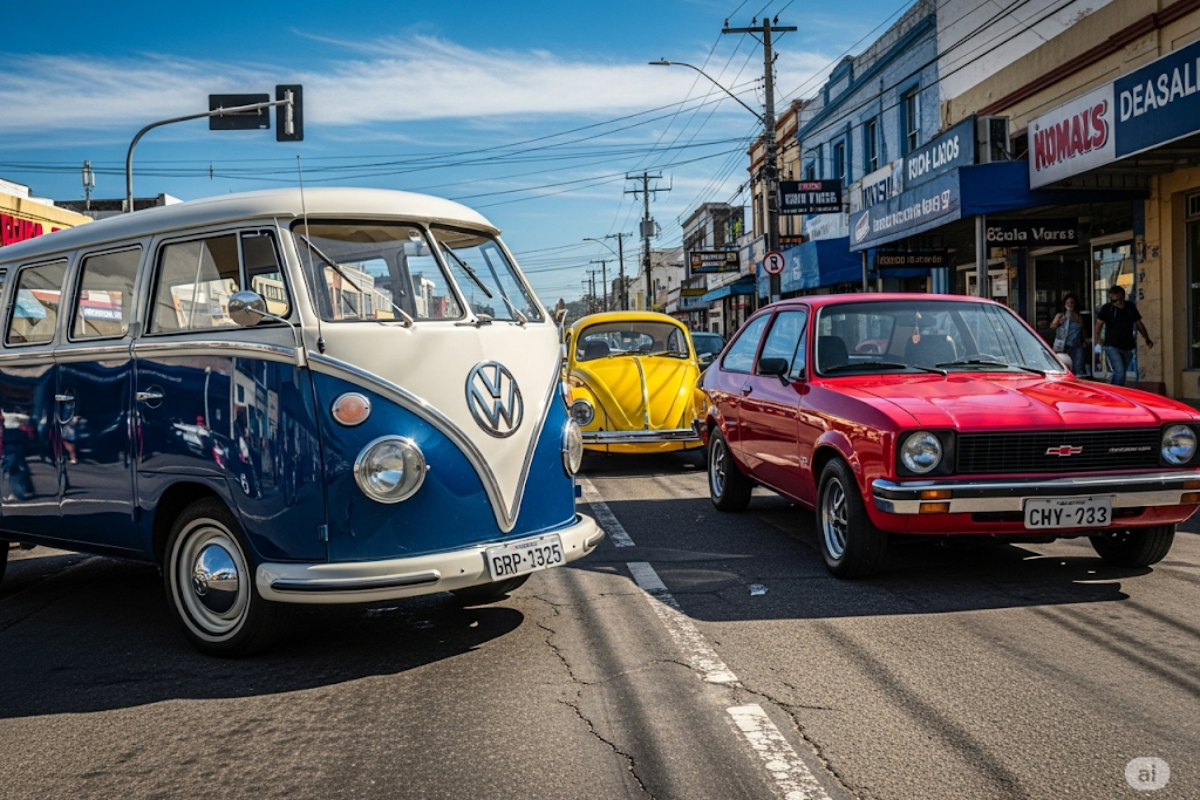

Many Think of the Beetle, but the Title of Car That Remained in Continuous Production for the Longest Time in Brazil Belongs to the Volkswagen Kombi, with 56 Years of Uninterrupted Manufacturing. Discover This Story.
The history of the Brazilian automotive industry is rich in icons, but when it comes to productive longevity, one model stands out surprisingly. Contrary to Popular Perception that often points to the Volkswagen Beetle, the title of car that remained in continuous production for the longest time in Brazil belongs to its platform sibling, the Volkswagen Kombi.
In Brazil, Volkswagen made its mark with vehicles that became part of national identity. While the Beetle is a long-standing icon, the title of the car that remained in continuous production for the longest time in Brazil belongs to the Volkswagen Kombi. With 56 years of uninterrupted manufacturing, from 1957 to 2013, it surpassed the Beetle and established itself as a symbol of the country’s industry and culture.
The Volkswagen Kombi, 56 Years of Uninterrupted Production and Adaptations in Brazil
The official production of the Kombi in Brazil began on September 2, 1957, and continued uninterrupted until December 18, 2013, totaling 56 years. Although assembled with CKD kits since 1953, 1957 marked the beginning of manufacturing with 50% localization, always on the fundamental Type 2 platform.
-
End of an era in Brazil: beloved sedan by Brazilians is discontinued despite having a 2.0 engine with 151 hp, CVT transmission, 466-liter trunk, and up to 650 km of range.

-
New Law Proposal in Brazil Could Heavily Penalize Drivers: Dangerous Overtaking May Become a Serious Offense with Fines Increased Tenfold and a 12-Month License Suspension; Update on 2026 Progress

-
Electric Revolution: Watts W125 Motorcycle Offers 160 km Range, 90 km/h Speed, and Affordable Price Starting at $3,000
-
General Motors Replaces Over a Thousand Workers with 50 Cobots at Electric Vehicle Plant, UAW Union Criticizes Move Amid Industry’s Automation Push


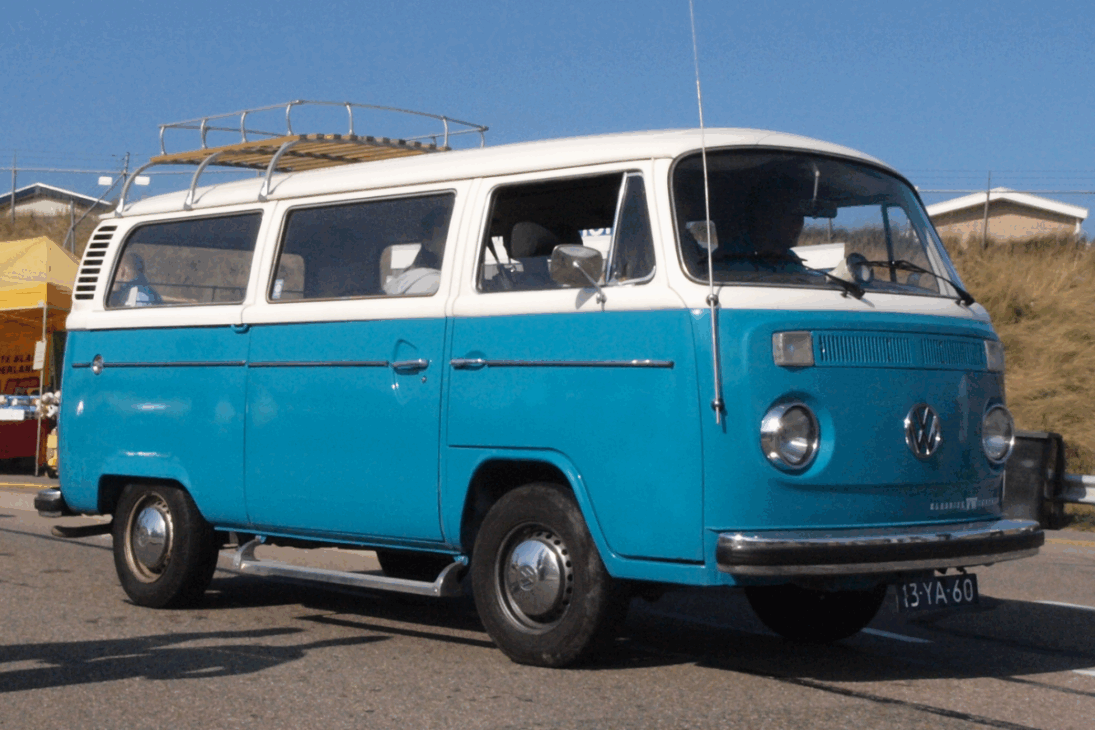
Over the decades, the Kombi evolved: the engine changed from the 1200cc air-cooled to the 1.4 EA111 flex cooled by water in 2006. The design also changed, with a front restyling in 1976 and the introduction of the sliding door and taller roof in 1997. Production was halted due to new safety laws (airbags and ABS), which made it unfeasible to adapt its old design.
A Success Story Marked by Interruptions in National Production
The Volkswagen Beetle, another icon, had a different trajectory. Its effective national manufacturing began on January 3, 1959, and lasted until December 1986, a continuous period of approximately 27 years.
After an interruption of almost seven years, production resumed in August 1993 with the “Fusca Itamar”, at the initiative of the then-president. This second phase was short-lived, ending in July 1996, after about 3 years. This pause clearly distinguishes its history from the Kombi’s continuous production.
Why the Kombi Is the Car That Remained in Continuous Production for the Longest Time in Brazil?
The comparison of periods is unequivocal: the 56 years of uninterrupted production of the Kombi far exceed the longest continuous period of the Beetle (about 27 years). Another long-lived model, the Volkswagen Gol (produced for about 43 years), underwent significant platform changes (BX/AB-9 to PQ-24), which, for many, segments the “continuity of the same fundamental car” into shorter periods. The Kombi stands out for maintaining its structural and conceptual identity (Type 2 platform) throughout its entire existence in Brazil.
The Volkswagen Kombi as a True and Beloved National Brazilian Icon
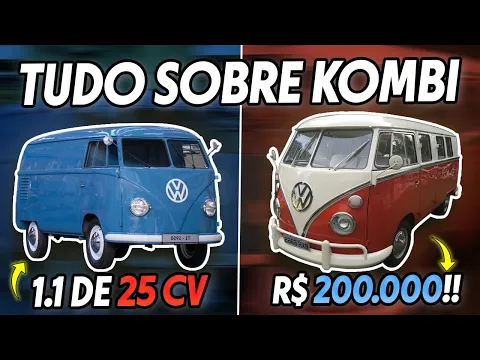

The Kombi transcended its utilitarian function to become a national icon. It was crucial in democratizing access to utility vehicles, serving families and small entrepreneurs. Its versatility is legendary: it was a school transport, ambulance, police vehicle, mobile commerce (“food trucks”), and motorhome.
It is almost impossible to find a Brazilian without a story involving the Kombi. Its farewell in 2013 generated nostalgia, and Volkswagen’s campaign “The Last Wishes of the Kombi” capitalized on this emotional connection. Its unique design and constant presence have made it a Brazilian cultural symbol.