






 Portuguese
  Spanish


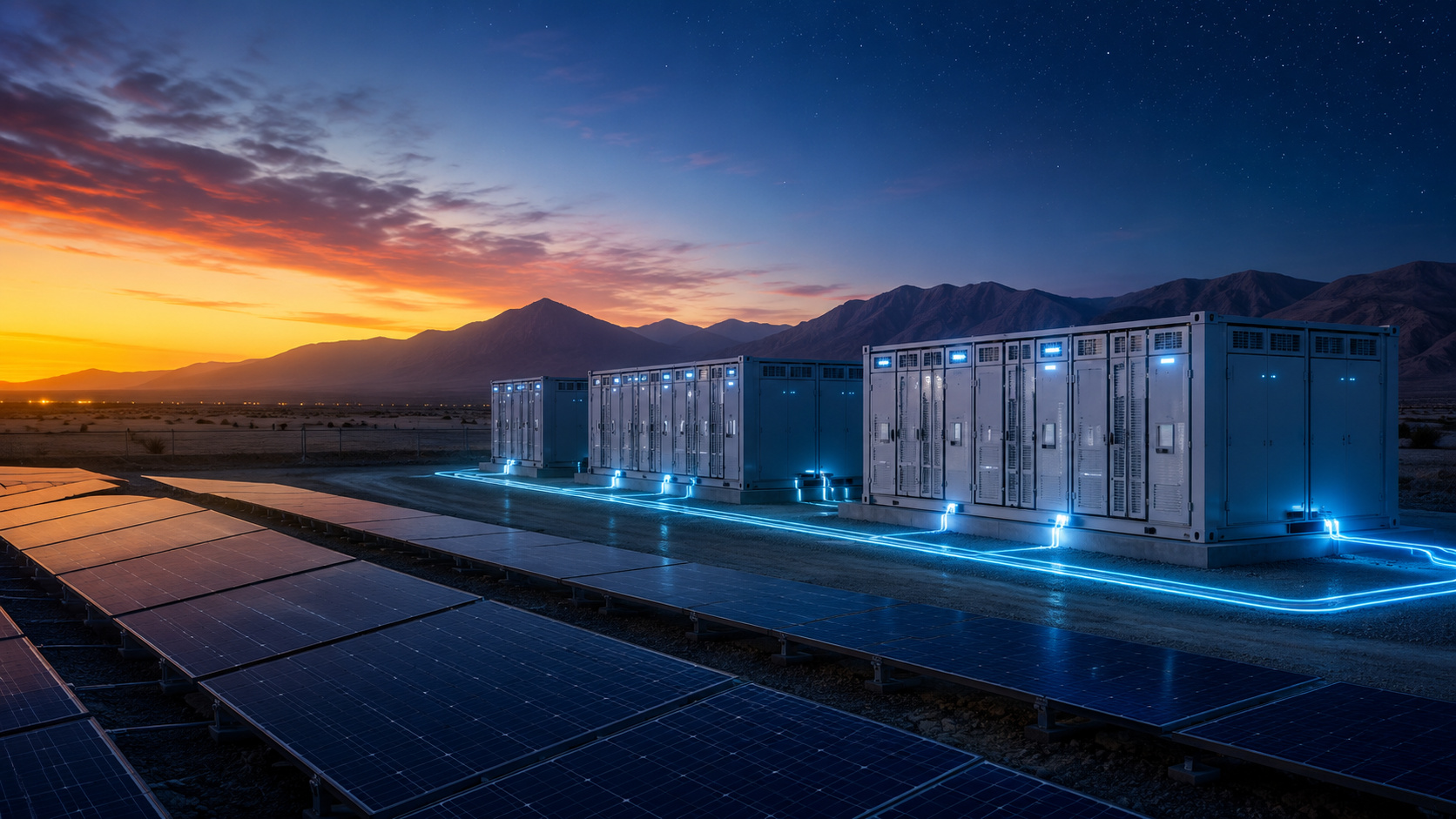

Solar energy auction in Chile gathers 1.5 TWh per year, separates electricity for day and night, uses batteries to store part of the production, and forecasts supply between the second and third quarter of 2028, showing how energy storage can expand the use of solar generation.
How to sell solar energy at night when the panels are not producing? Grenergy has launched an energy auction in Chile that gathers 1.5 TWh per year, with a portion reserved for nighttime.
The offer includes 960 GWh per year of energy stored in batteries for the night and 540 GWh per year of solar generation for the day. The information was released by Grenergy, a Spanish multinational that develops solar energy and storage.
Batteries do not create electricity. They store a portion of the energy generated by solar plants during peak sunlight hours and release this volume later, at a time defined in the contract.
-
After a Year of Success in Switzerland, Solar Railway Attracts Italy’s Interest for Clean Energy Transformation

-
Robots Clean Solar Panels in Desert Power Plants Without Water, Preventing Energy Losses
-
Brazil’s Offshore Wind Energy Potential Worth $1 Trillion Stalled by Long-Delayed Agreement

-
World’s Largest Engie Solar Plant in Brazil Highlights Billion-Dollar Energy Waste Issue: Company Considers Batteries and Bitcoin Mining to Avoid Wasting Production

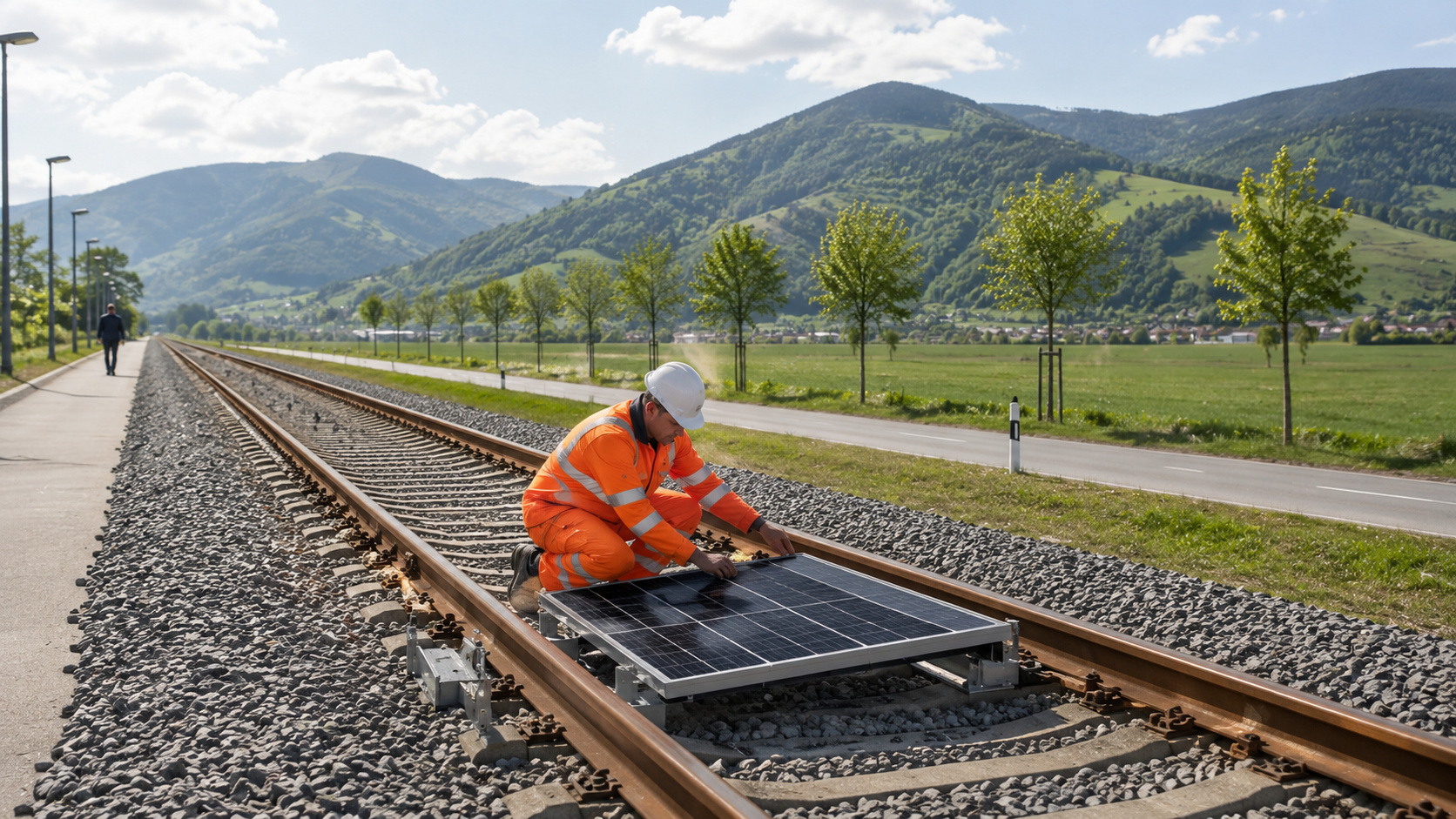


How solar energy can reach the night without relying on the sun
Solar energy is produced while there is light. When production is higher, batteries can receive part of this electricity and keep it stored for later use.
This process changes the delivery time, not the source of the energy. The electricity still comes from solar plants but can be used when the sun has already set.


In practice, energy storage works like a reserve. It helps to bring solar production to periods when the grid and consumers need more electricity.
Solar energy auction gathers 1.5 TWh per year in Chile
The auction provides 1.5 TWh per year for companies that wish to contract electricity. Of this total, 960 GWh per year will be delivered at night from batteries.
The other 540 GWh per year will be supplied during the day by photovoltaic solar generation. This is the electricity produced by solar panels when they receive light.
The offer will consist of energy from different solar plants and storage systems located in the north and center of Chile. The volumes are separated to allow larger or smaller purchases.
Companies can contract blocks of 20 GWh for up to 15 years
The process allows bidding for the entire volume or just part of the offer. Each contracting unit will have 20 GWh, which opens up space for purchases more tailored to each company’s needs.
The contracts can last 6, 8, 10, 12, or 15 years. This period defines how long the buyer can receive the contracted energy.
Grenergy, a Spanish multinational that develops solar energy and storage, placed the auction under the management of the subsidiary GR Power and directed the offer to generators, traders, and large consumers.
Energy supply is scheduled for 2028
The auction was announced on July 1, 2026. The energy supply is scheduled to occur between the second and third quarter of 2028.
Companies can submit questions until July 7, 2026. The registration deadline is July 22, 2026, through the Match Energía platform.
These dates make it clear that the supply has not yet started. The process is in the contracting phase, while the delivery of electricity is part of the schedule for 2028.
Model addresses Brazilian challenge of better utilizing the sun
Brazil also faces the need to better use solar energy generated around noon. At this time, many plants produce simultaneously, and the system needs to handle a large volume of electricity.
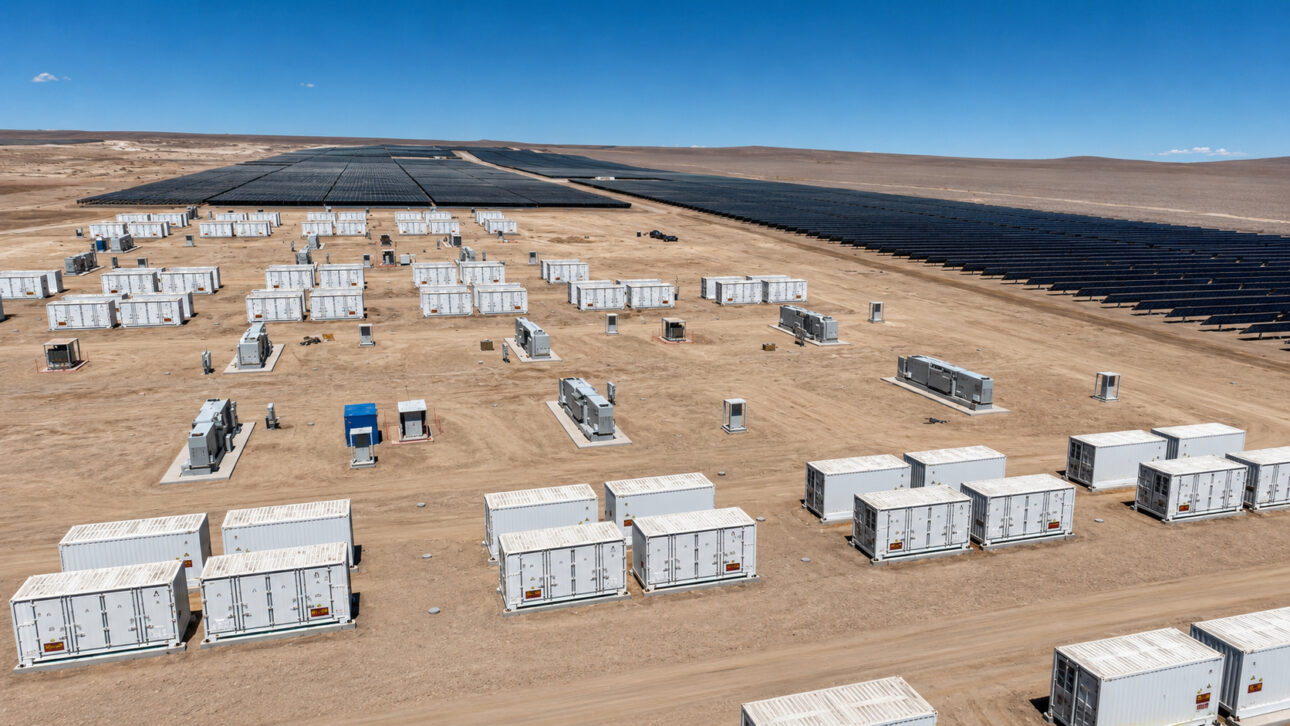
Storing part of this generation can reduce the mismatch between the time when the sun is strong and the time when energy is most needed. This is one of the ways to reduce cuts in renewable energy.
Generation cuts occur when a plant cannot deliver all the electricity it could produce. Batteries can help utilize part of this volume at another time.
Batteries help provide predictability, but do not replace all power plants
The Chilean auction does not mean that batteries will replace all energy sources. Thermoelectric plants, which use fuels to generate electricity, and hydroelectric plants continue to have important roles in the system.
The central point is complementarity. Solar energy at night can be offered with more predictability when a portion of daytime production is stored in batteries.
This type of contract allows companies to better know in which period they will receive electricity. For a system with more renewable sources, this predictability can become increasingly relevant.
Chile has opened up space to sell solar energy at two different times, with 960 GWh per year for the night and 540 GWh per year for the day. The delivery scheduled for 2028 shows that storage is becoming more visible in electricity contracts.
The proposal does not eliminate the need for other plants, but helps to show how solar production can be utilized beyond sunlight hours. For Brazil, the model reinforces the discussion about storing renewable energy instead of limiting part of the generation.
Do you believe that batteries can help Brazil make better use of solar energy produced during the day and reduce waste in the electrical grid? Share your opinion in the comments.


