Portuguese
  Spanish


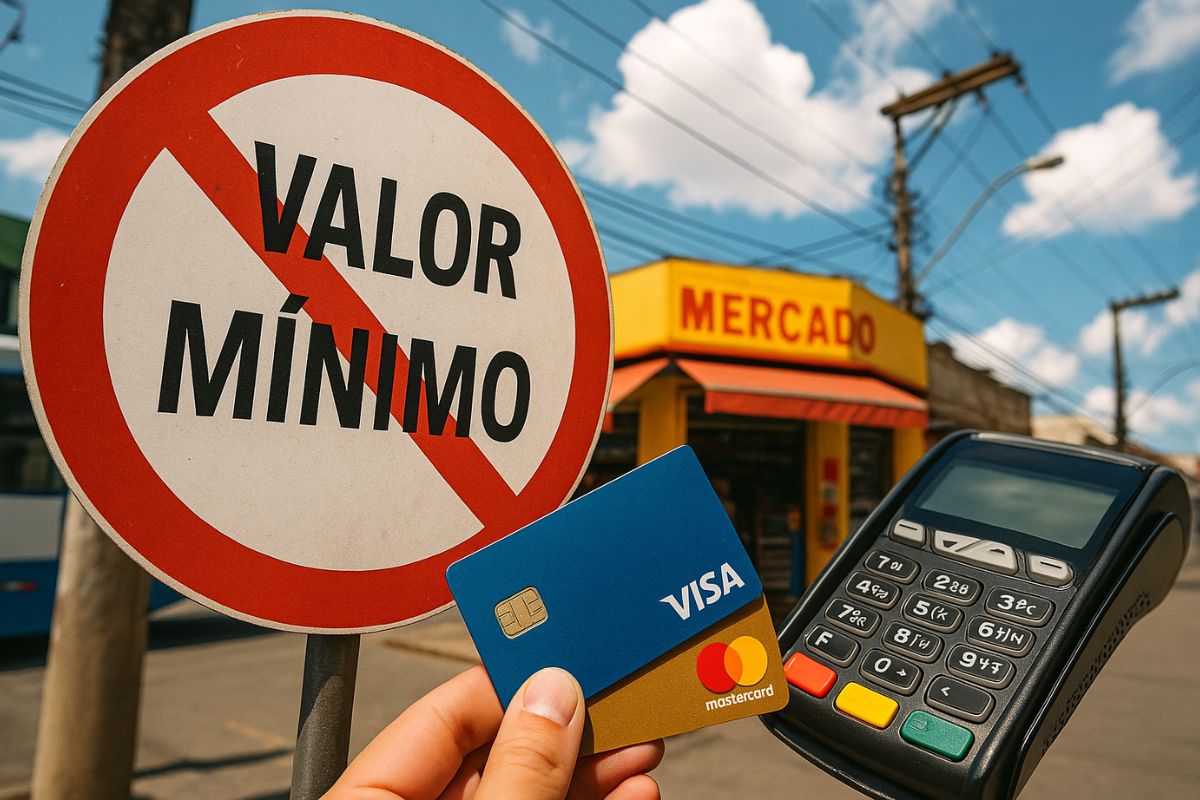


Understand Why The Practice Of Requiring A Minimum Purchase Amount For Credit Or Debit Card Transactions Is Considered Abusive By The Consumer Protection Code And What To Do.
It is a common scene in Brazilian commerce: when attempting to pay for a low-cost product, the consumer is informed that there is a minimum purchase amount required for card transactions. However, what many do not know is that this requirement, while routine, is an illegal practice. If a commercial establishment chooses to accept payments via credit or debit card, it is obliged to accept this method for any transaction, regardless of the item’s price.
Refusing to process the payment or imposing a minimum amount constitutes an abusive practice, which places the consumer at a clear disadvantage. The decision to offer card payment is up to the retailer, and by doing so, they assume the responsibility to honor this option in all sales, without creating barriers for lower-value purchases.
What Does The Law Say About The Requirement Of A Minimum Amount?
The prohibition of this practice is clearly grounded in the Consumer Protection Code (CDC).
-
Brazilian Steel Giant Partners with USP to Develop 40% Stronger Rebar for World’s Tallest Residential Building in Brazil’s Senna Tower

-
Oil Prices Drop to $72 as 20 Million Barrels Pass Through Strait of Hormuz in 24 Hours, Easing Supply Fears but Regional Tensions Keep Market on Edge

-
Brazil’s Ministry of Justice Investigates CazéTV for Betting Ads During World Cup Broadcasts

-
Brazilian Retail Giant Americanas Faces $10 Billion Asset Freeze Amid Investigation into Hidden Debts


According to Article 39, the requirement of a minimum purchase amount directly violates two of its clauses.
The first is Clause I, which prohibits suppliers from “conditioning the provision of a product or service to the provision of another product or service, as well as, without just cause, to quantitative limits.”
The imposition of a minimum amount is, in practice, a quantitative limitation without legal justification.
Additionally, the action also falls under Clause V of the same article, which prohibits “demanding from the consumer an unfair advantage.”
By forcing the customer to spend more than desired just to use the card, the retailer is creating an undue advantage for themselves.
The establishment cannot transfer the operational costs of the transaction to the consumer in a coercive manner, forcing them to increase their average ticket.
How Does This Practice Affect The Consumer In Daily Life?
In practice, this illegal requirement manifests in everyday situations, such as when buying a bottle of water, a coffee, or a snack at a bakery.
The consumer, often without cash on hand, is caught off guard by the refusal to process payment and finds themselves in an embarrassing situation, being forced to abandon the purchase or buy more products than they actually needed.
This barrier undermines the shopping experience and damages trust in the commercial relationship.
From the retailer’s perspective, the justification often used is the cost of the card provider’s fees, which would be proportionally high for low-value transactions.
However, this argument has no legal support.
The choice to accept cards is a business strategy to attract more customers and facilitate sales. Therefore, the costs associated with this choice should be included in the overall pricing of products and not passed off as an abusive condition at the point of payment.
I Was Charged, What Now? What To Do?
The consumer who encounters a business requiring a minimum purchase amount for card transactions has the right to insist on payment.
The first step is to talk to the person in charge, informing them that this practice is considered abusive by the Consumer Protection Code.
Often, simply demonstrating knowledge of the law can resolve the situation and ensure that the sale is completed.
If the establishment refuses to complete the sale even after the explanation, the consumer should take further action.
It is essential to report the practice to consumer protection agencies, such as Procon in your city or state.
By formalizing a complaint, you not only defend your individual rights, but also help ensure that oversight acts so that other consumers are not harmed by the same illegal practice.
The requirement of a minimum amount for card payments is an illegal practice that disrespects the consumer.
If the establishment offers this method, it must accept it for any amount.
Knowing your rights is the first step in combating this type of abuse and ensuring fairer and more transparent consumer relationships for all.
Have you ever encountered a situation like this when trying to pay a small bill? Do you think retailers should be more closely monitored? Leave your opinion in the comments — we want to hear from those who experience this firsthand.