Portuguese
  Spanish


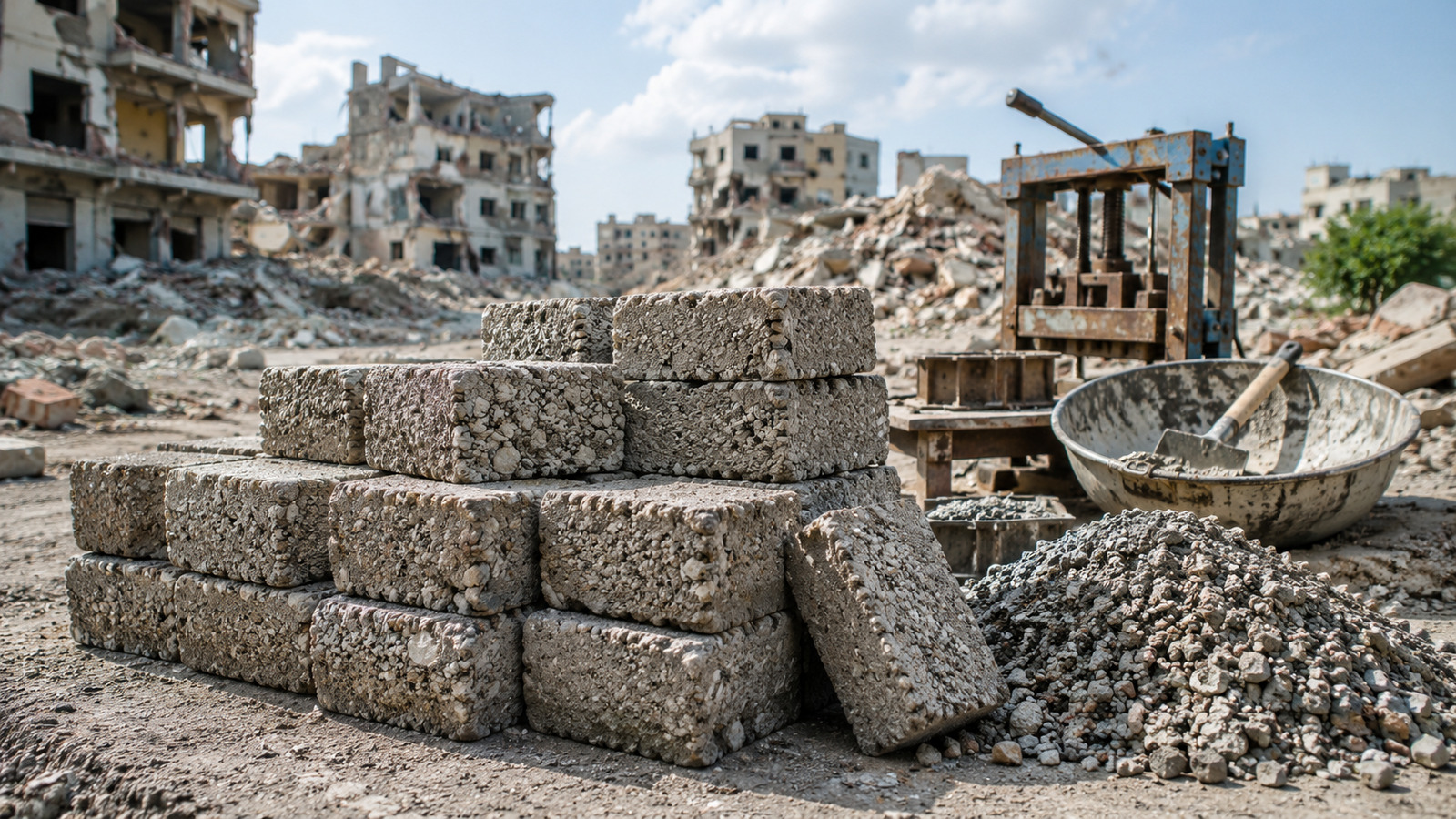

Two Palestinian sisters won the Middle East stage of The Earth Prize by transforming Gaza rubble into reusable blocks, with a prize of $12,500 to expand workshops and production
Two young sisters from Gaza won the Middle East stage of The Earth Prize by creating a simple and low-cost method to transform rubble into rubble bricks. Tala Mousa, 17, and Farah Mousa, 15, receive $12,500 to expand the idea and now compete for the world title.


Rubble bricks born from an experience lived in Gaza
The sisters’ project, called “Build Hope,” was developed amidst the difficulties faced by their own family. Tala said that she, Farah, and their relatives lost their home after an Israeli attack last August.
Since then, the family has been forced to move five times. Currently, the sisters live in a tent with their father, Samer, a university dean, their mother, Samar, an industrial engineer, their brother Yahya, 13, and their grandfather Samer.
-
Green Roofs on Homes Gain Popularity for Reducing Heat, Noise, and Rain Impact in Brazil

-
Brazilian promises his children to save a river, creates an eco-barrier in his backyard, has already removed more than 40 tons of trash from the water, and even inspires the idea in other states of the country.

-
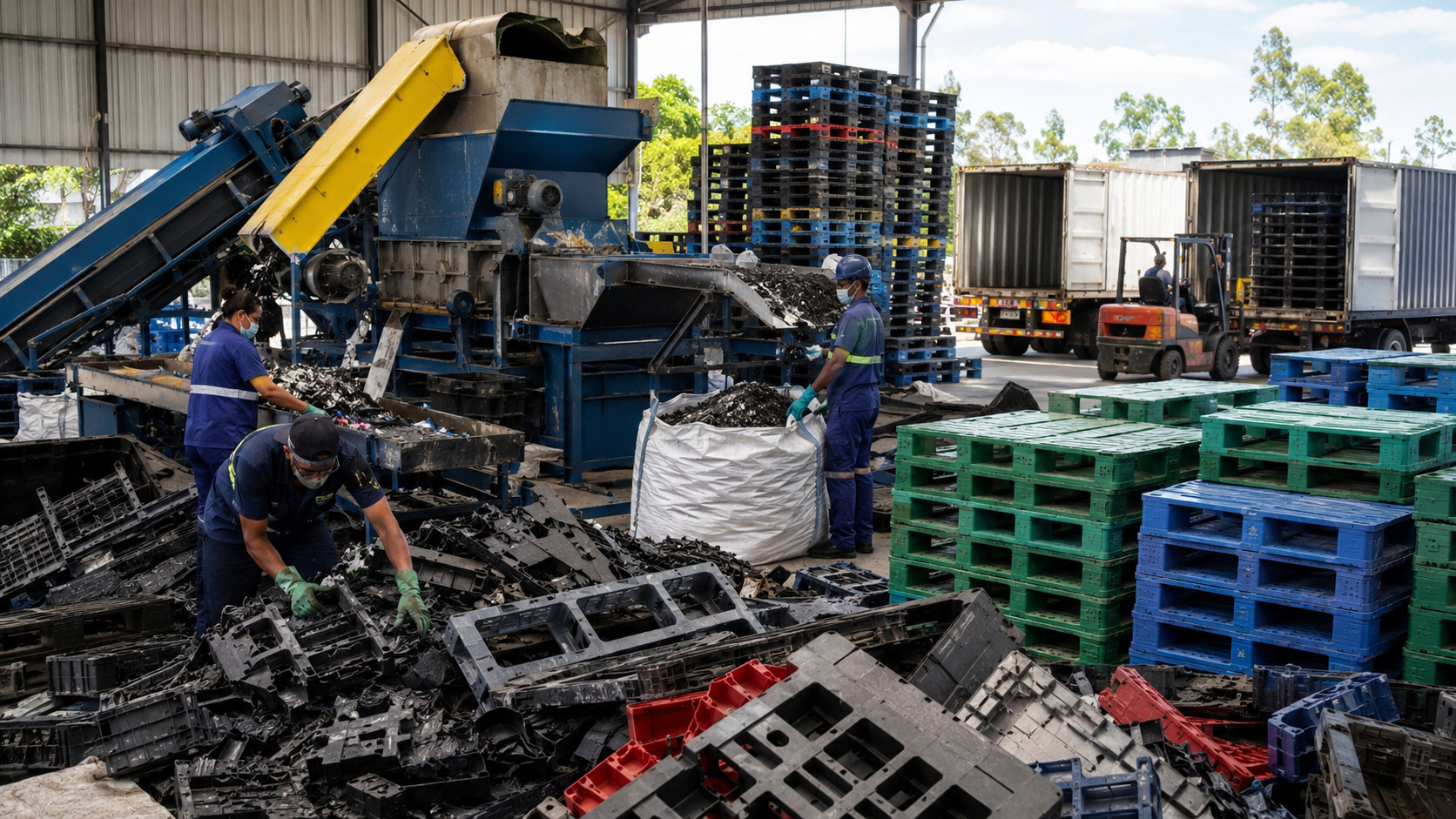
How a Brazilian company created a system that transforms broken pallets of any brand into new assets, recycles 80 tons of plastic per month, and found a profitable solution to a problem that challenges industries across the country.
-
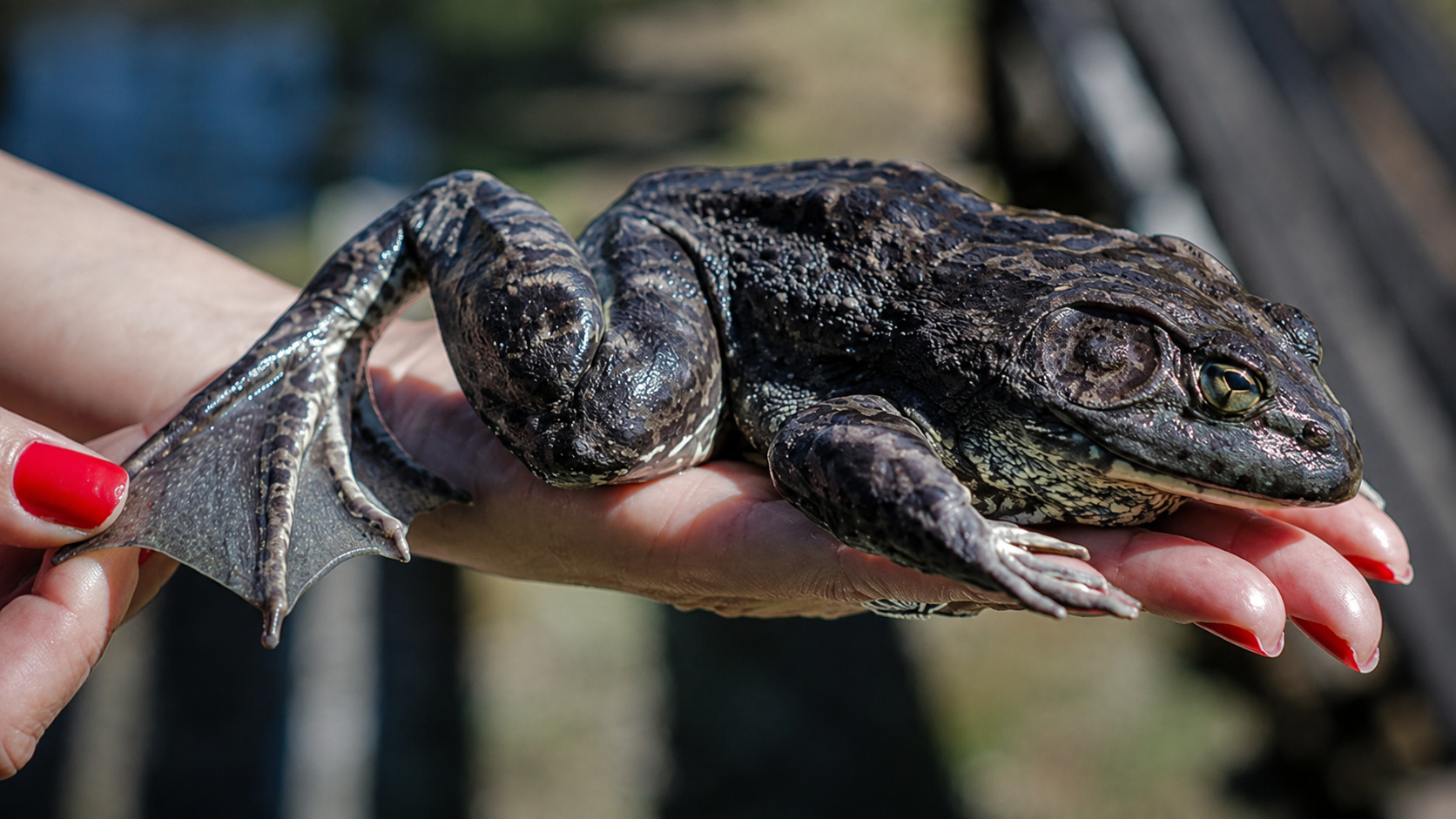
Invasive bullfrog capable of devouring other amphibians and laying up to 20,000 eggs is found in Florianópolis, raising an alert about the threat to native fauna.

The idea arose in this context of displacement, material loss, and the need to find practical solutions. The method was created next to the family’s tent, in an area also used for laundry and cooking.
Farah stated that the proposal stood out because it was born from a real and lived experience. For her, the project combines environmental response, support for reconstruction, and empowerment of affected communities.
How the method created by the teenagers to transform rubble into bricks works
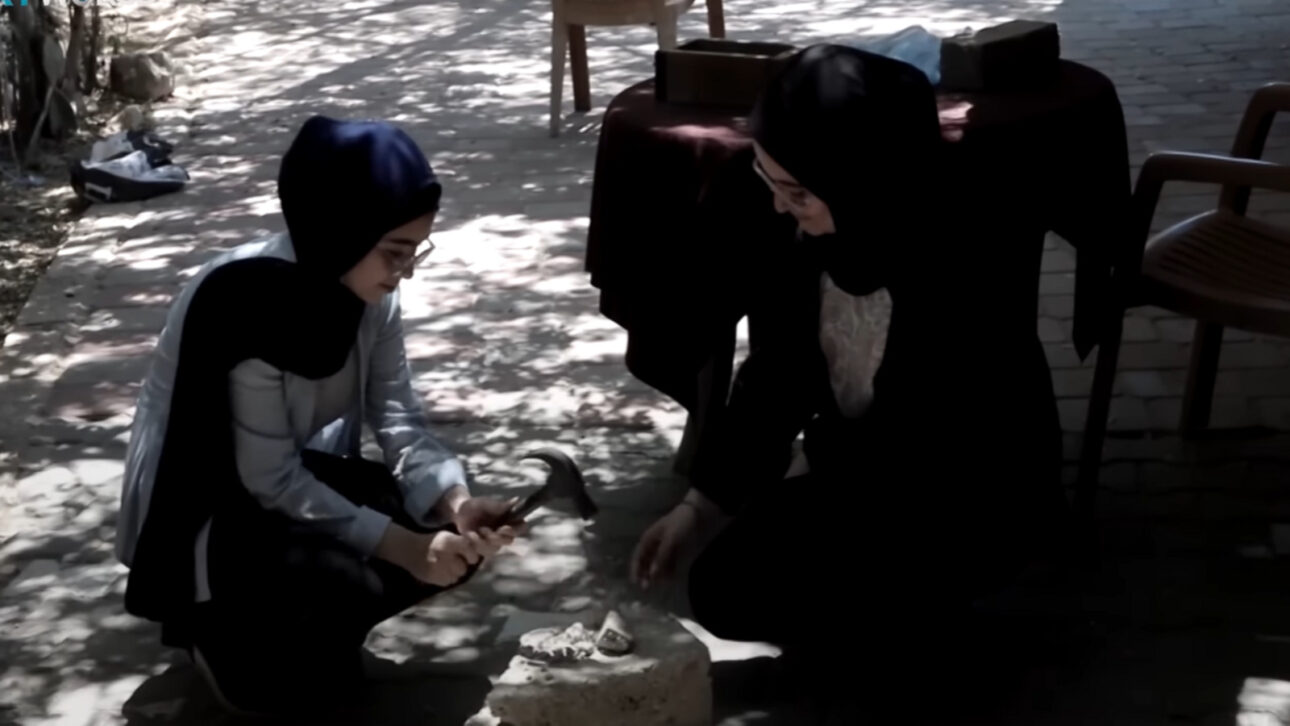
The process begins with the collection and crushing of rubble. Then, the material is mixed with any available binder, such as straw, ash, clay, or glass powder.
The sisters state that most of the rubble can be used, as long as it is not contaminated by harmful substances.
The teenagers’ grandfather helped with some of the practical work during the development of the technique.
The blocks produced are not recommended for supporting structural loads. Even so, they can be used in partitions, pavements, or garden beds, applications that do not require the same strength as structural elements.
The simplicity of the method is one of the central points of the project. Tala stated that the solution is low-cost, adaptable, and can be used especially in conflict and disaster zones.
Prize of US$ 12,500 to finance workshops and expansion of rubble bricks
With the regional victory in the Middle East, Tala and Farah will receive US$ 12,500 to develop and expand the project.
The sisters’ intention is to use the recognition to conduct workshops and teach others to apply the technique.
The expectation is that participants in these trainings will also pass on the knowledge to other communities. Thus, the impact of the project could grow through the multiplication of the method.
Farah said that next month, the sisters plan to start field implementation, with workshops and block production. Over the next year, they hope to expand the reach of the idea to new communities.
Tala stated that being chosen as the regional winner represents a message of hope from Gaza to the world. For her, even in difficult circumstances, it is still possible to innovate and create solutions.
Project competes for the world title of The Earth Prize
The “Build Hope” was selected in the Middle East category alongside two projects from Turkey and two from Lebanon. The Earth Prize is open to teams of young people aged 13 to 19.
The regional winners are announced on consecutive days until May 17. The regions include the Middle East, North America, Africa, Asia, Central and South America, Oceania and Southeast Asia, and Europe.
Each winning team receives US$ 12,500 to turn their idea into reality. After the announcement of all regional champions, a public vote will determine the overall winner, which will be announced on May 29.
The prize is promoted by The Earth Foundation, a non-profit organization based in Geneva. In its fifth edition, the program claims to have already reached over 21,000 students in 169 countries and territories.
Peter McGarry, founder of the foundation, stated that the 2026 winners represent seven exceptional teams that tackle environmental challenges with distinct and impactful solutions.
Even without attending in-person classes, Tala and Farah continue studying with online resources and school books purchased by the family.
Tala said she follows content from the ministry in the West Bank, studies the curriculum on her own, and receives the exams.
This article was prepared based on information from The National and The Earth Foundation, with data, numbers, and statements preserved according to the consulted material.