Portuguese
  Spanish


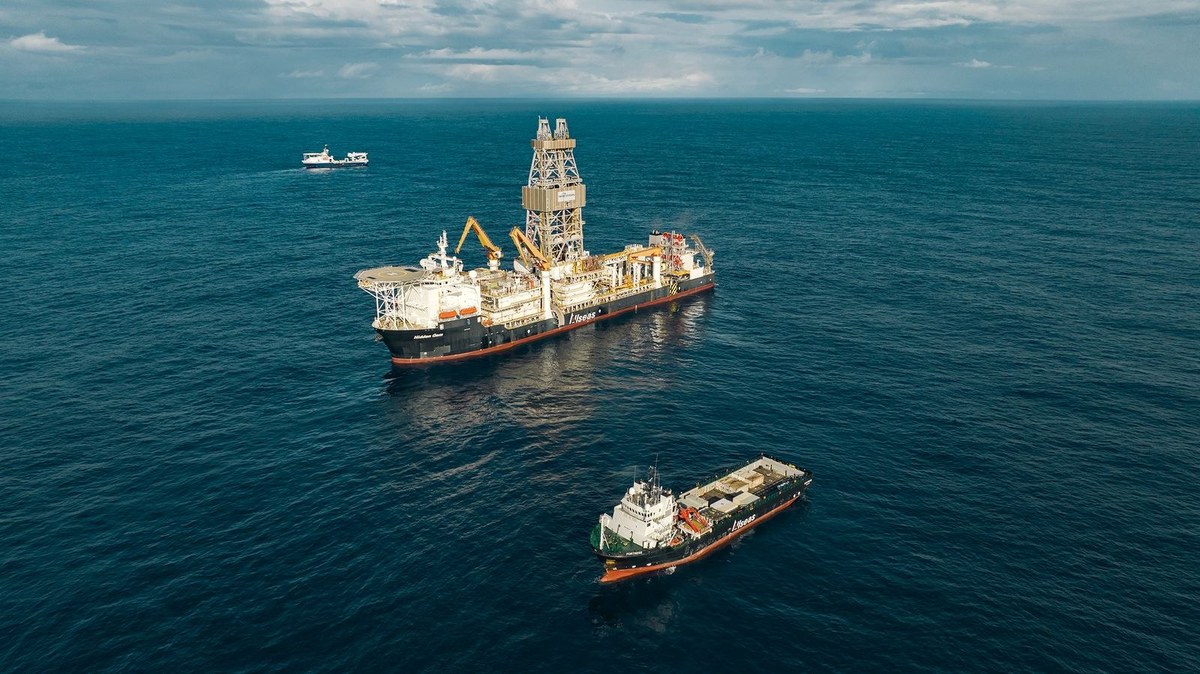
Japan has conducted what is considered the world’s first deep-sea rare earth mining, descending thousands of meters to seek out the hidden metals that power cell phones, electric cars, and even advanced weaponry.
There is a group of metals that almost no one knows by name, yet the entire world depends on them. They are the so-called rare earths, essential elements for manufacturing powerful magnets, cell phone screens, electric car motors, and advanced military equipment. And Japan has just taken a historic step to obtain these metals from an unexpected place, the ocean floor.
The country has conducted what is described as the first deep-sea rare earth mining in history, descending thousands of meters to collect material rich in these elements. It is a world premiere that could change the game in a market currently almost entirely dominated by China, providing an alternative for those looking to escape this dependency.
The hidden metals the world competes for
To understand the importance of this feat, one must understand the value of rare earths. Despite the name, they are not exactly rare in the Earth’s crust, but they are dispersed and difficult to extract and refine economically. These metals are found in almost all high-tech products, from headphones to missiles, making them as strategic a resource as oil.
-
Ship Returns from Brazilian Coast with Thirty Newly Discovered Life Forms

-
Nigerian Professor Invents Electricity-Free Refrigerator Using Clay Pots and Wet Sand, Extending Shelf Life of Vegetables to 27 Days; 7,000 Units Distributed in Energy-Deprived Villages

-
Flower Farms Supplying London and Amsterdam Face Backlash for Environmental Impact on African Lake, Threatening Jobs for 50,000 Workers

-
World’s Largest Container Ship Departs Shanghai with 24,000 Containers, Set to Debut in Europe in July



I confess I am impressed by how much we depend on something most people have never heard of. Without rare earths, there are no tiny, powerful magnets that make everything from a slim cell phone to an electric car work. Whoever controls the supply of these metals holds a key piece of the modern economy, which is why the race for them has become so intense.
Mining in the dark depths
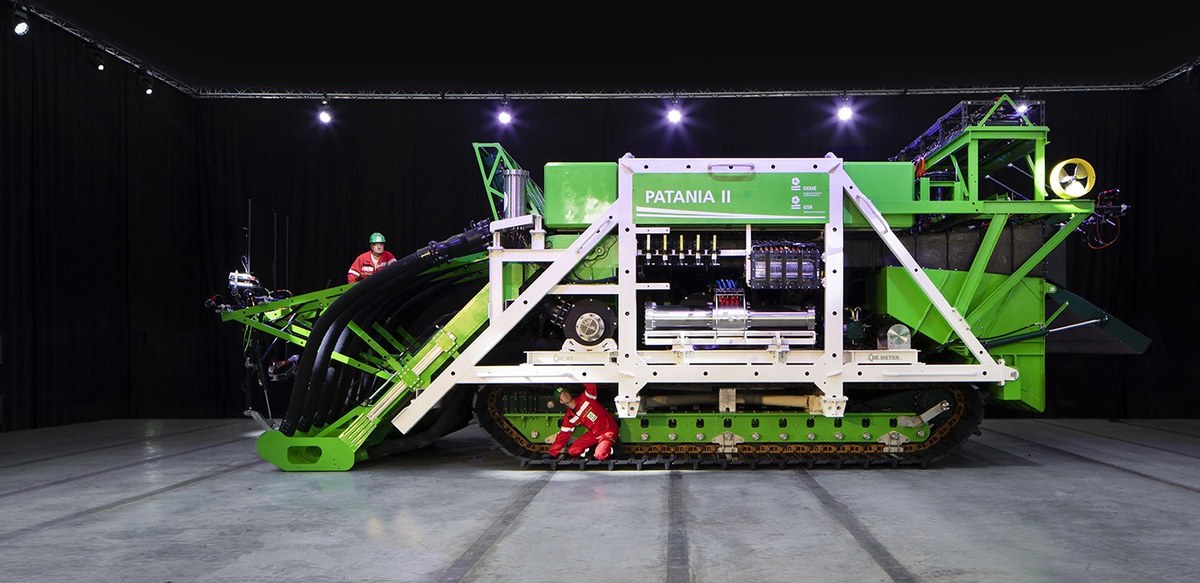
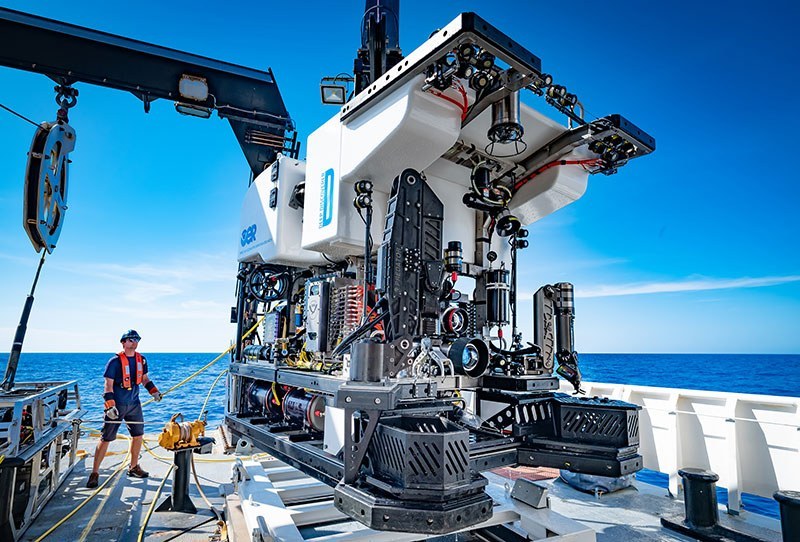
Extracting ore from the ocean floor is one of the most challenging tasks engineering can face. We are talking about operating thousands of meters deep, in an environment of total darkness, extreme cold, and pressure capable of crushing equipment. For this, remotely controlled submarines and machines are used to collect material from the seabed and send it to the surface.
Each stage of this operation is a huge technological challenge. The machines need to withstand brutal conditions for long periods, and any failure down there is extremely difficult to fix. That Japan managed to conduct this deep-sea mining in a pioneering way shows an impressive mastery of underwater engineering, a feat that few countries in the world could replicate.
It’s worth understanding why Japan embarked on such a difficult path. The country is poor in land-based mineral resources and has always depended on importing almost everything its powerful industry consumes. But Japan has one of the largest ocean areas in the world, full of untouched mineral deposits on the ocean floor. Looking down, to its own deep waters, is a way to turn this vast maritime area into a source of strategic wealth. Instead of remaining dependent on foreign suppliers for rare earths, the country is betting on extracting the metals it needs from its own ocean, which explains all the effort and risk taken in this historic debut.
Breaking China’s dominance
There is a huge geopolitical reason behind this Japanese effort. Today, China almost absolutely dominates the extraction and, especially, the refining of rare earths, giving it enormous bargaining power over the rest of the world. Countries that depend on these metals for their industry and defense are vulnerable to any Chinese decision to restrict supply.
Being able to mine rare earths from the ocean floor would give Japan and its allies an alternative source, reducing this dangerous dependency. It is no exaggeration to say that mastering this technology is a matter of national security because it ensures access to the metals without which modern technology simply stops. The Japanese debut is, in this sense, a long-reaching strategic move.
China’s dominance over rare earths did not happen by chance, and this shows the size of the challenge. China spent decades building the entire chain, from extraction to refining, even accepting the heavy environmental cost of processing these metals, which is dirty and complicated. Today, it controls most of the world’s refining, giving it a powerful lever in trade and geopolitical disputes. Every time tension arises, there is the threat of China restricting supply and halting entire industries on the other side of the world. It is precisely to escape this vulnerability that countries like Japan invest so much in alternatives, even the most expensive and difficult, like going to the ocean floor to seek ore.
The hidden treasure at the ocean’s bottom
I imagine the amount of wealth sleeping at the bottom of the oceans, waiting for technology to reach it. The seabed is covered with highly valuable mineral deposits, and Japan has just shown that it is possible, albeit with great difficulty, to retrieve them from below. It’s like opening a door to a new frontier of resources, hidden beneath kilometers of water.
This debut of deep-sea rare earth mining may mark the beginning of a race for the ocean’s treasures. If the technology matures, the ocean floor could become an important source of the metals that sustain the modern world. It remains to balance this promise with environmental care, because tampering with the little-known depths of the ocean requires responsibility as much as boldness.
Did you know that the metals hidden at the ocean’s bottom can be as strategic as oil itself?