





 Portuguese
  English
  Spanish
 6 min of reading
  0 comments


Goiás Strengthens The Sustainable Matrix With New Incentives For Renewable Energy, Stimulating Agribusiness, Ethanol, And Clean Energy Generation.
The development of renewable energies has become a global priority in recent decades.
Therefore, countries seek sustainable alternatives to meet the growing demand for energy while reducing the environmental impacts caused by fossil fuels.
In this sense, the State of Goiás has taken an important step by expanding incentives for renewable energy, sanctioning Law No. 23,733.
The law grants ICMS exemption for internal operations with sorghum intended for industrialization and with biomass used in the generation of electric energy or steam.
In this way, the measure demonstrates a clear commitment to the strengthening of the renewable energy matrix and promoting a more sustainable economy.
Historically, Brazil has maintained a close relationship with renewable sources, especially hydropower, which consolidated itself as the main pillar of the country’s electrical matrix during the 20th century.
However, the need for diversification and the search for complementary sources have led the federal government and states to invest in policies that encourage other sources of energy, such as solar, wind, and biomass.
Thus, Goiás’ decision to expand incentives for renewable energy for the use of sorghum and biomass in energy generation reflects this long-term trend.
This measure combines environmental sustainability with economic development.
-
The world could operate on clean electricity by 2050, but a study indicates that this would require up to 20 TW of renewable energy, more than 9 million hectares for solar, and strong cooperation between countries.

-
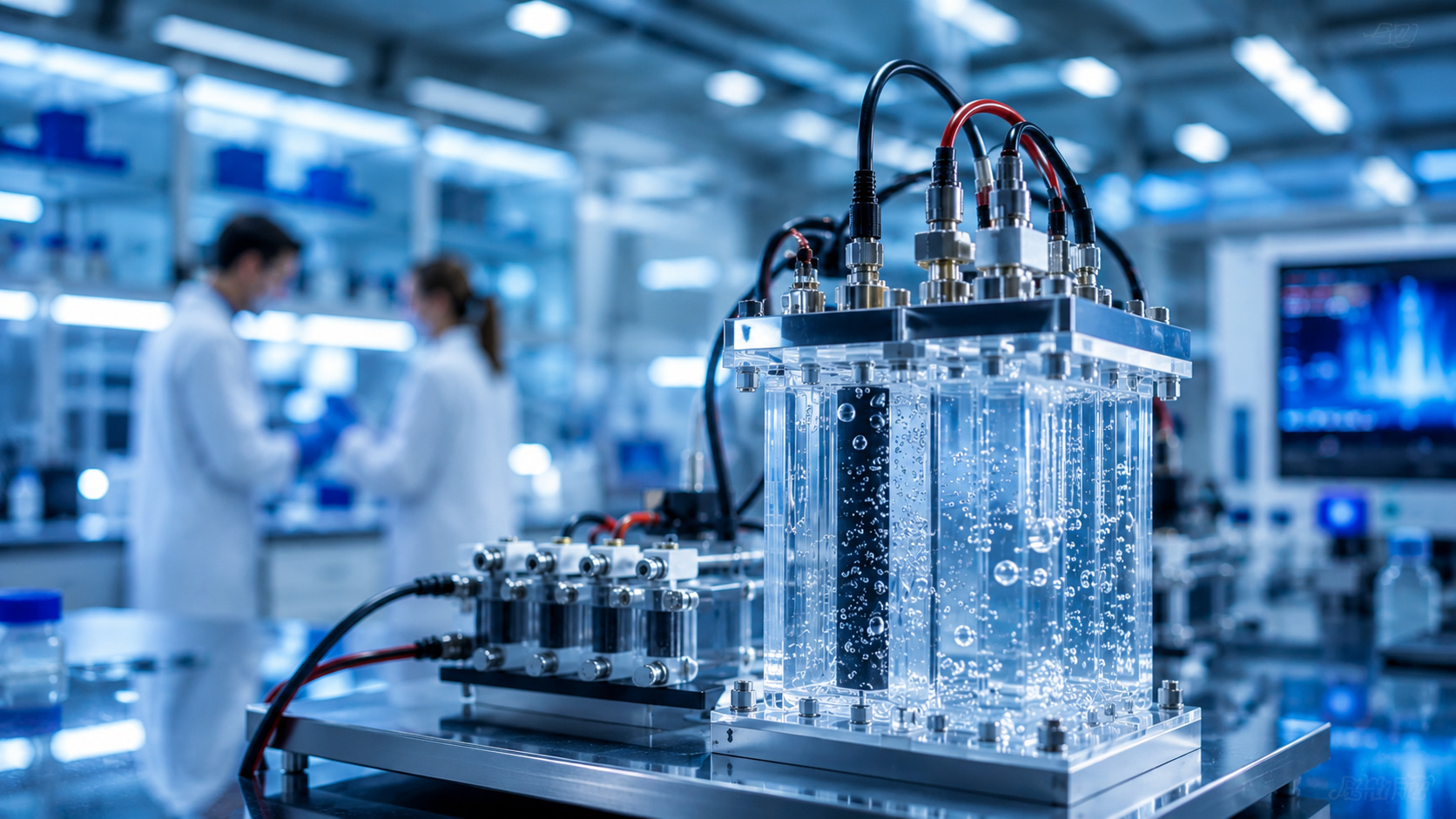
New catalyst developed by scientists in the USA enhances the performance of water electrolysis without using platinum, reducing operational costs and expanding the potential of green hydrogen as a strategic alternative for industries, heavy transportation, and clean energy generation.
-
China implements basalt fibers tested on the Moon to contain the desert’s advance in 1 million hectares, and the program surprises scientists worldwide.
-
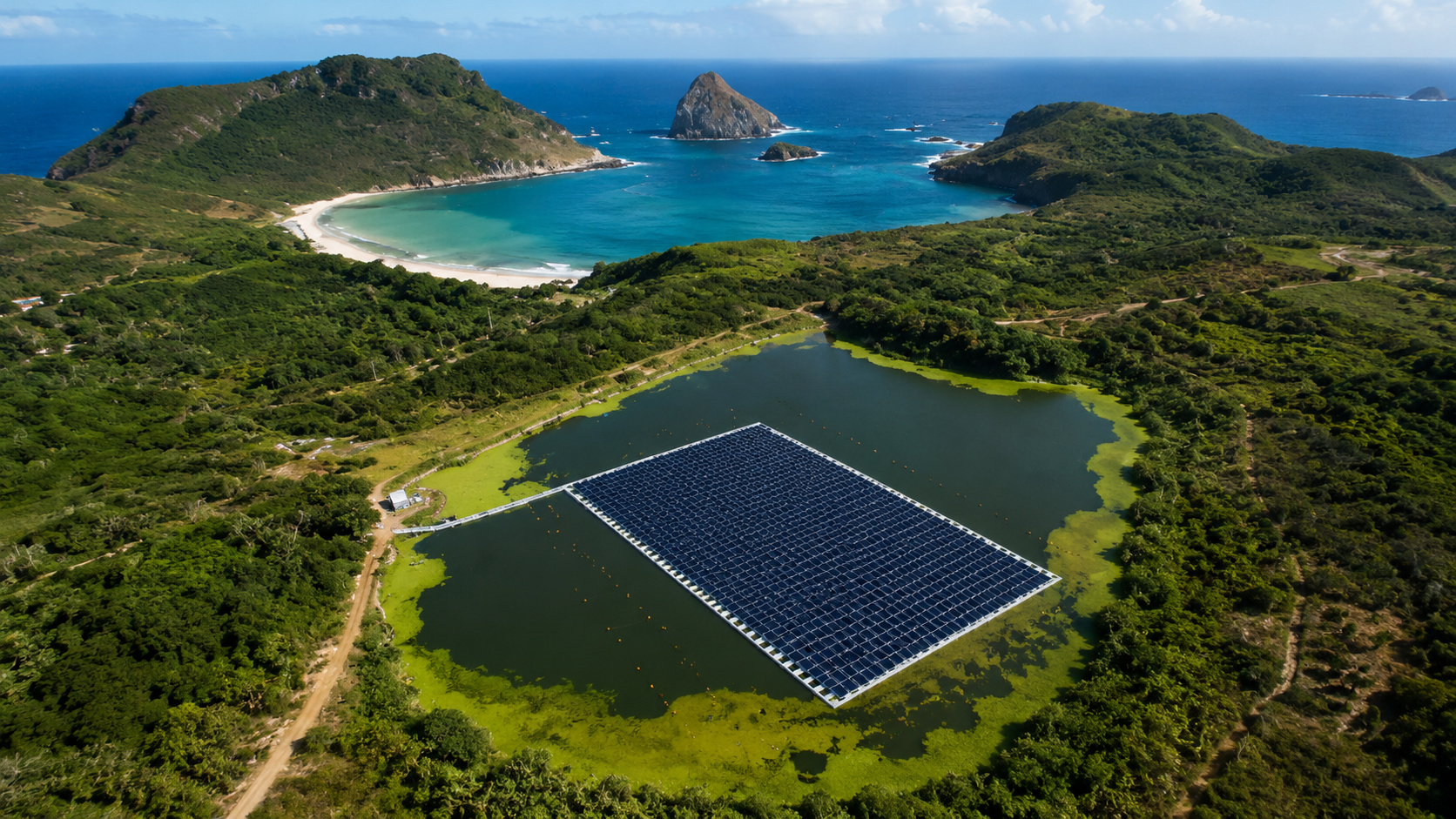
Fernando de Noronha begins unprecedented energy transformation with a R$ 350 million solar plant that promises to replace diesel generation and change the island’s sustainable future by 2027.


Moreover, the measure fits into a context of growing environmental and social awareness.
Thus, citizens, businesses, and governments have sought ways to align production and consumption with sustainable practices.
Consequently, tax incentives, such as those promoted in Goiás, stimulate not only the industrial sector but also farmers and small producers to adopt more sustainable crops and practices.
In this way, they can integrate the production of food, biofuels, and clean energy generation.
Sorghum and Ethanol: Competitive Alternatives for Agribusiness
Sorghum, included in the recently sanctioned law, presents characteristics similar to sugarcane, corn, and soybeans.
Therefore, it becomes a competitive alternative for agribusiness.
By extending incentives for renewable energy to sorghum cultivation, the state government reduces the acquisition costs for local industries.
In addition, it creates a favorable environment for the installation and expansion of industrial enterprises.
As a result, this move directly impacts job and income generation, strengthening Goiás’ agribusiness sector sustainably.
The inclusion of sorghum as a raw material for ethanol production expands the input base of the sugar-energy sector.
Thus allowing greater flexibility and safety in biofuel production.
Sorghum hybrids exhibit high starch content and competitive productivity, with yields that can exceed six tons per hectare.
Therefore, this characteristic makes sorghum an economically viable and environmentally interesting option.
With this, it helps to reduce dependence on fossil fuels and mitigate greenhouse gas emissions.
In addition, sorghum ethanol can complement traditional sugarcane production.
Thus ensuring greater stability for the production chain during periods of drought or climatic variation.
In this way, the state can produce more renewable energy continuously, even in the face of natural challenges.
This reinforces the role of the agribusiness sector in regional energy security.
Biomass and Circular Economy: Clean and Sustainable Energy
Regarding biomass, although the law still awaits detailed regulation, the goal is to boost clean energy generation and promote the bioenergy chain in the state.
Biomass can include agricultural, industrial, or forestry waste.
When well utilized, they become a significant source of renewable energy.
Additionally, the state government’s tax incentive ensures that these materials are not improperly discarded.
This measure contributes to the concept of circular economy and to the sustainability of agribusiness.
Besides the economic aspects, incentives for renewable energy directly impact environmental preservation.
The use of sorghum and biomass for energy generation reduces the emission of greenhouse gases.
It also decreases the pressure on natural resources and promotes the more efficient use of land.
Therefore, in a country like Brazil, rich in biodiversity and natural resources, policies that connect agribusiness production and energy sustainability ensure the balance between economic growth and environmental protection.
It is worth noting that the use of biomass encourages innovative energy production technologies, such as biodigesters, biomass boilers, and energy co-generation.
Thus, these solutions increase the added value of agribusiness production.
In addition, they generate useful by-products and contribute to reducing waste and pollution.
Thus, incentives for renewable energy benefit the entire economic and social chain, not just the energy sector.
Global Alignment and Energy Transition Trends
The decision of the Goiás government also aligns with global trends.
Various countries adopt similar strategies to increase the share of renewable sources in their energy matrices.
Tax incentives, subsidies, and public policies aimed at the use of biomass, ethanol, and other alternative sources accelerate the energy transition.
Therefore, Goiás, by expanding its incentives for renewable energy, positions itself as a proactive state.
It is prepared to follow and even lead initiatives for sustainable development in Brazil.
Historically, the incentive for agribusiness production has always played a central role in the Goiás economy.
Since the consolidation of agribusiness in the 20th century, credit policies, financing, and tax exemptions have driven sector growth.
The expansion of incentives for renewable energy represents an evolution of this model, uniting industrial tradition and energy innovation.
Thus, by reducing costs and expanding opportunities for agribusiness, the state favors not only economic growth but also technological modernization and sustainability.
Additionally, the expansion of these incentives attracts private and international investments to Goiás.
It fosters strategic partnerships with companies specializing in renewable energies.
Consequently, it increases the potential for research and development, creating a continuous cycle of innovation and competitiveness for the state.
Social, Economic, And Future Impacts
Another important point is the multiplier effect of this policy.
By encouraging the use of sorghum and biomass, the state government directly benefits the industries adopting these practices.
It also stimulates research and technological development.
Universities, research institutes, and private companies can invest in more efficient energy utilization technologies.
Therefore, it creates a virtuous cycle of innovation and sustainability.
The measure also reinforces the importance of cooperation between state governments and Confaz (National Council of Tax Policy), which supports ICMS exemption.
Thus, this integration between state and federal policies ensures legal security and stability for investors.
It also encourages the implementation of new projects and keeps the agribusiness sector competitive in a demanding market.
Looking to the future, the incentives for renewable energy created by the state of Goiás have the potential to generate lasting impacts.
In addition to promoting economic growth, job creation, and industrial expansion, they contribute to consolidating a cleaner and more diversified energy matrix.
Thus, in a world facing growing climate challenges, measures like this demonstrate how well-structured public policies can unite economic development and environmental responsibility.
Therefore, Law No. 23,733 goes beyond a fiscal measure; it is a long-term strategy that strengthens agribusiness, encourages the sustainable use of natural resources, and positions Goiás as a reference in incentives for renewable energy policies.
Thus, the initiative shows that it is possible to unite agricultural tradition, technological innovation, and energy sustainability.
It creates growth opportunities that respect both the environment and the economic needs of the population.











Be the first to react!