






 Portuguese
  Spanish
  3 min of reading
  0 comments


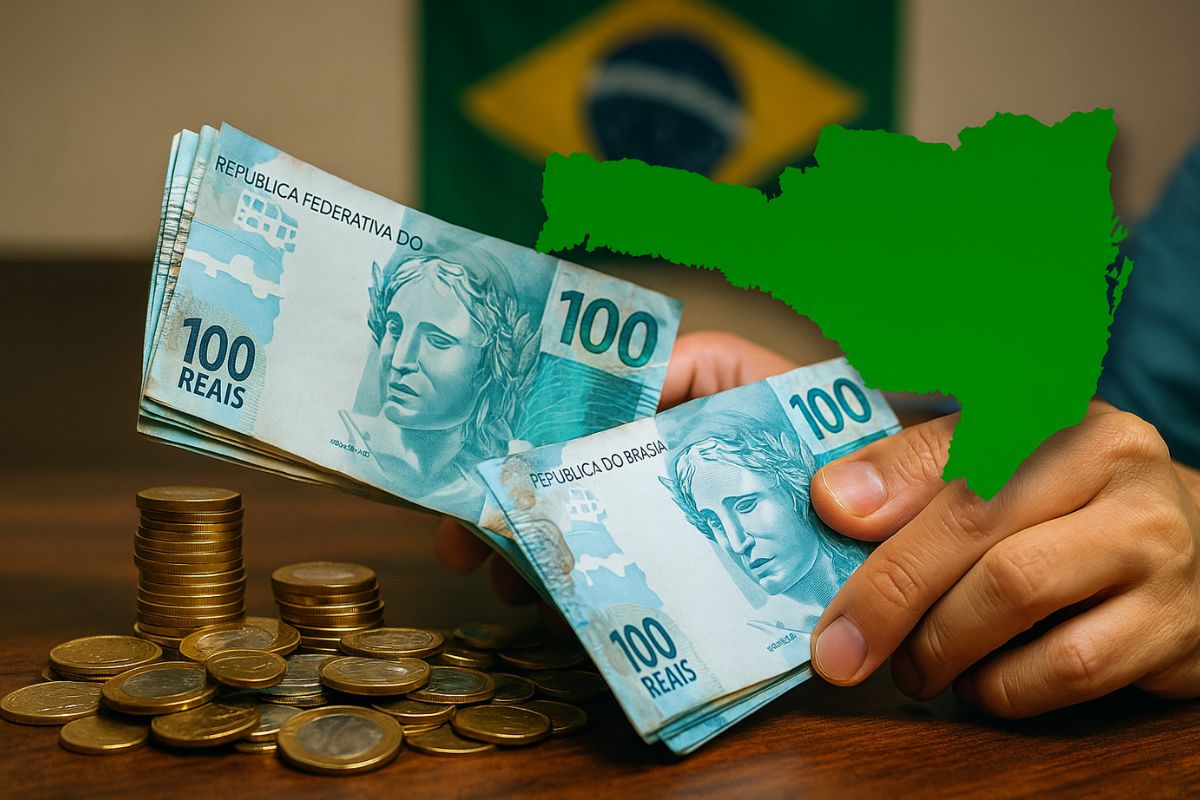


Santa Catarina Approves Regional Adjustment and Establishes New Minimum Wages Above National Average
The new regional minimum wage of up to R$ 1,978 approved in Santa Catarina has brought relief and optimism for those working with formal contracts. The adjustment, which represents a 7.27% increase, was sanctioned with retroactive effect from January 1, 2025, following unanimous approval in the state Legislative Assembly.
The decision is the result of negotiations between representatives of workers and employers’ entities, involving sectors of agriculture, industry, and commerce. With the new regional minimum wage, Santa Catarina reaffirms its policy of valuing local income, creating specific minimum wage levels for different categories, according to the characteristics of the state economy.
New Values Cater to Different Sectors of the Catarinense Economy
The adjustment of the new minimum wage in Santa Catarina establishes distinct tiers, depending on the worker’s area of activity. Farmers, delivery drivers, and construction workers, for example, will now receive R$ 1,730.00. Meanwhile, professionals in the industrial sector and communication companies will have a minimum of R$ 1,792.00.
-
The urgent need to implement a severe cut in public spending and a massive increase in taxes, in addition to drastically compromising the quality of basic services and the purchasing power of the population, could result in social unrest in the country, with the population leading protests, strikes, and frequent disturbances.

-
FIRJAN’s mega plan of R$ 526.3 billion for Rio de Janeiro aims to revive Brazil’s largest industry, with two-thirds of the investments going to oil and gas.

-
China signals an increase in beef imports, Brazil has already consumed 70% of the 1.106 million ton quota and seeks to renegotiate the tariff that jumps from 12% to 55%, while demand from the US also skyrockets.
-
Food inflation rose 302% in 20 years in Brazil, but the supermarket changed: purchasing power yielded 87% more mortadella and 31% less fruit, and ultra-processed foods took over the cart.




The amount of R$ 1,898.00 applies to areas with a higher level of specialization, such as the chemical industry and general commerce. At the highest tier, workers in the metalworking industry and related technical sectors will receive at least R$ 1,978.00. These amounts were defined based on regional economic conditions and the cost of living in Santa Catarina, which is among the highest in the country.
Regional Minimum Wage Strengthens Social Protection and Reduces Inequalities
The new regional minimum wage is an important mechanism for workers who do not have a floor defined in collective agreements or federal legislation. Since 2009, with Complementary Law 459, Santa Catarina adopted this model to ensure basic protection for less organized categories in terms of union representation.
This system allows the state to adapt the minimum wage value to local realities, promoting social justice and economic stability. The measure also helps combat informality and ensures a more dignified income for workers, especially in rural areas and regions with low union coverage.
Commerce and Services Expected to Feel the First Effects of the Adjustment
The increase in the new minimum wage may have a direct impact on family consumption, raising the demand for local products and services. With more money circulating, sectors such as retail, food, and transportation are likely to be the first to register growth.
However, for micro and small businesses, the adjustment requires planning. The increase in payroll could tighten profit margins and lead to restructuring of teams and functions. Despite this, experts point out that the social benefit generated by the increase is likely to outweigh the operational challenges in the medium term.
Catarinense Model May Influence Other Brazilian States
In addition to Santa Catarina, states such as São Paulo, Paraná, and Rio de Janeiro also adopt regional wage floors. The standout feature of Santa Catarina, however, is the detailed structuring of values by sector, which serves as a reference for other federative units.
The implementation of the new minimum wage may encourage debates in other states about the need for more realistic wage floors in line with the local cost of living. This decentralization strengthens federalism and promotes more autonomy for regional wage policies in Brazil.
Perspectives: Wage Valuation and Ongoing Dialogue
The approval of the new minimum wage paves the way for future discussions on regionalized wage policy. The trend is that negotiations between unions, employers, and the government will become more structured, considering variables such as inflation, economic growth, and employment rates.
The practice of periodic adjustments reinforces the commitment to balance between economic development and the valuation of labor. The experience in Santa Catarina shows that it is possible to reconcile the interests of workers and employers through dialogue, transparency, and well-founded technical data.
Do you think the new regional minimum wage is a good solution for states with a higher cost of living? How could this model be applied in other regions of Brazil? Share your opinion in the comments.


Sim acho muito bom esse salário regional deveria também tar esse presso o salário mínimo de todo o brasil