Portuguese
  Spanish


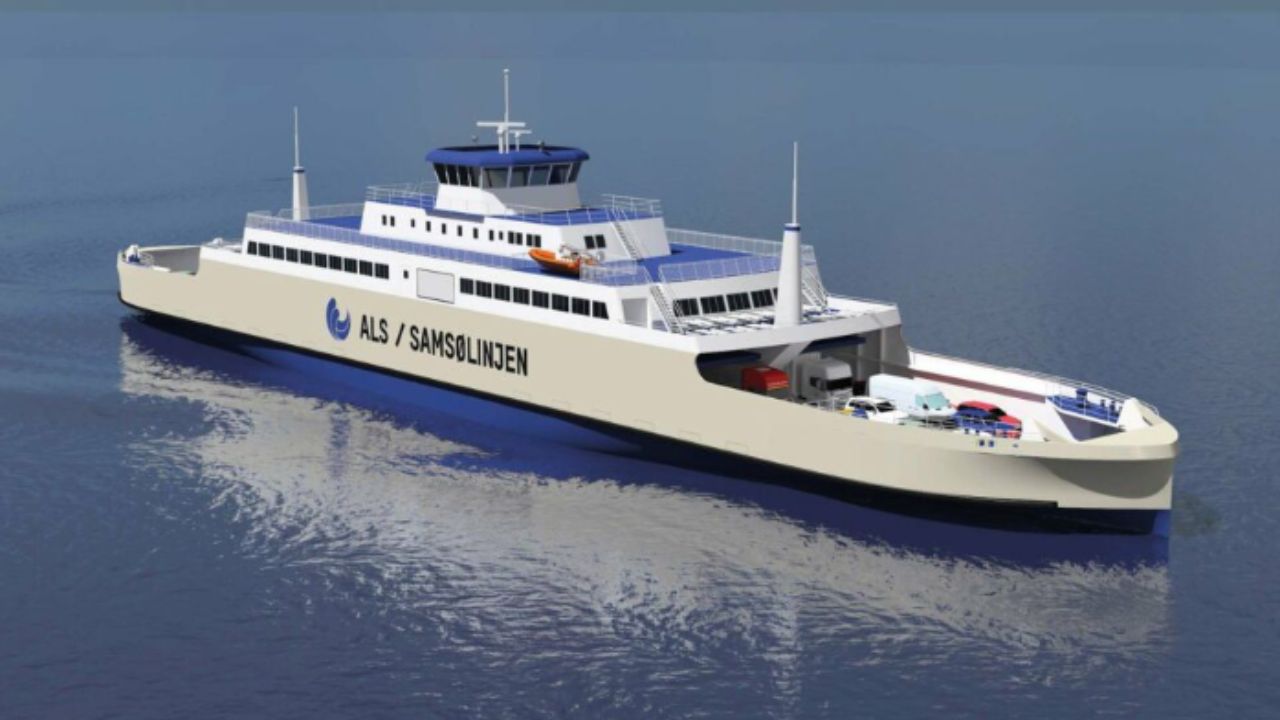

The Vessel Nerthus, With Zero Emission and Built by the Turkish Shipyard Cemre, Is Already Sailing to Denmark to Join the Fleet of Molslinjen, Marking a Advance in Sustainable Maritime Transport Technology.
The Danish ferry operator Molslinjen has received a new battery-powered RoRo passenger ferry. The construction was handled by the renowned Turkish shipyard Cemre Shipyard. Named Nerthus, the zero-emission vessel was delivered on May 17. The shipyard announced that the ferry has already begun its journey to Denmark.
The New Era of Sustainable Navigation for Molslinjen
The new ferry Nerthus represents a significant milestone for Molslinjen. Its main feature is the operation with zero pollutant emissions. The delivery of the vessel by the Cemre shipyard took place on May 17. Shortly after, the ferry began its journey to Denmark. The shipbuilder announced the news in a social media update.
The Engineering Behind the Shipyard’s Ferry
The design of Nerthus is by the Danish consulting and maritime engineering company OSK-ShipTech. The ferry is 11.6 meters long. This vessel is one of two units ordered by Molslinjen from the Cemre shipyard in 2022. Both were designed to optimize the transport of passengers and vehicles.
-
North Korean Fiasco: Launch of the Largest Warship Ends in Sinking

-
While giant ships still burn heavy fuel and the maritime sector races against climate targets, Maersk and Vale are starting to bet on ethanol as a new route to reduce emissions at sea.

-
China begins construction of the world’s largest LNG ship, a 344-meter giant capable of supplying 4.7 million homes for a month, carrying 271,000 m³ of gas, and placing QatarEnergy in the largest naval order ever recorded in world history.
-
China is designing a container ship with a thorium nuclear reactor that will operate for 40 years without refueling, and the 25,000-container giant from Jiangnan Shipyard will cross oceans without emitting carbon in an industry that burns 300 million tons of fuel per year.



Cutting-Edge Technology for Efficiency and Autonomous Operation
The ferry Nerthus has been specifically optimized for the Ballen-Kalundborg route. It complies with the BV’s autonomous functionality notations. This includes automatic crossing and docking operations. Such features allow for optimized operation and greater energy efficiency. The vessel is equipped with four steerable thrusters. These are powered by permanent magnet electric motors. Additionally, it has four reserve generators, each with 493 ekW. These generators are fueled by hydrogenated vegetable oil (HVO).
Commitment of the Shipyard and Molslinjen to Green Navigation
According to Molslinjen, during normal operations of the ferry, only the battery system will provide the necessary power. This fulfills the zero-emission concept, a central goal for the company. The investment in sustainable technology by the Cemre shipyard aligns with the operator’s environmental goals. In addition to battery-powered ferries, Molslinjen is also investing in other fronts. In 2023, the Danish company welcomed the Express 5 to its fleet. This is a high-speed passenger and vehicle ferry, ready for LNG, built by Austal Philippines.
The Strategic Role of the Shipyard in Fleet Modernization
The delivery of Nerthus by the Cemre shipyard demonstrates the capacity of the shipbuilding industry to provide innovative solutions. This partnership is fundamental for the modernization of Molslinjen’s fleet. The Danish operator continuously seeks to reduce the environmental impact of its operations. Choosing a shipyard with expertise in sustainable vessels is a crucial step in this direction. Nerthus is a concrete example of the future of eco-friendly navigation.
With information: Offshore Energy