






 Portuguese
  Spanish


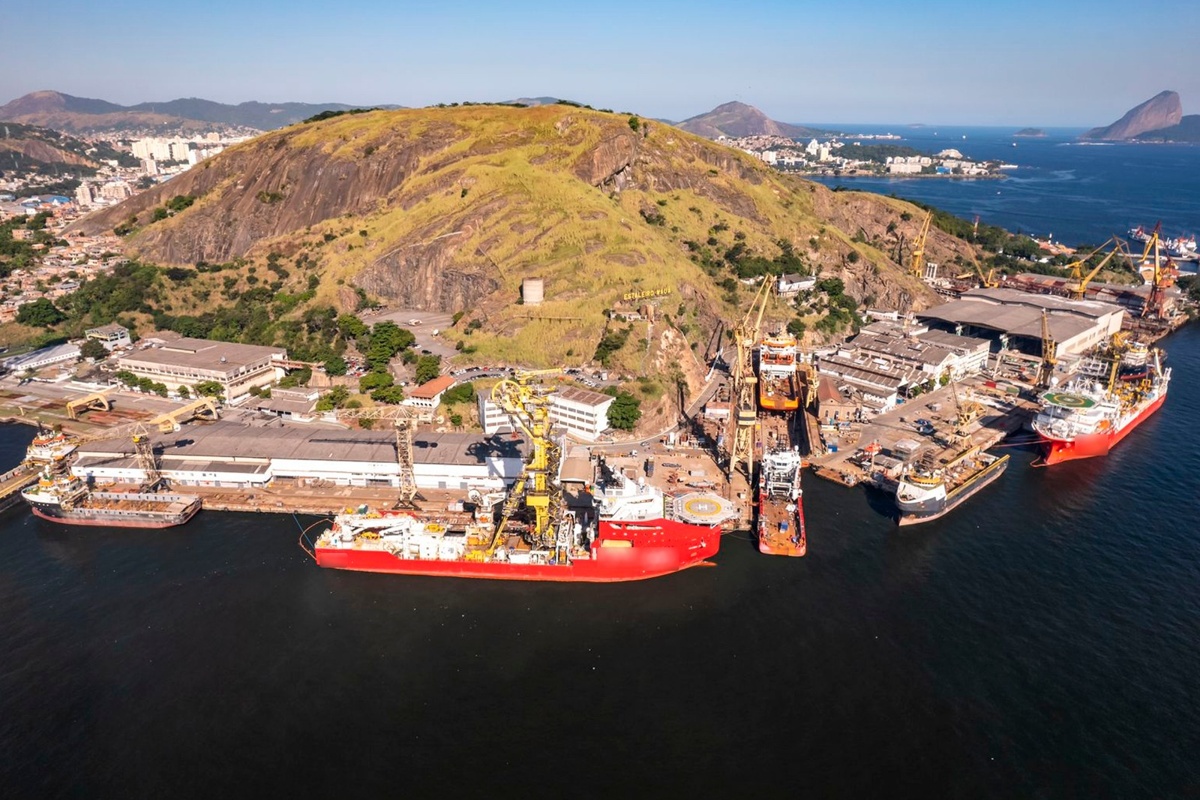


Shipyard Invests in Expansion and Modernization
The Brazilian shipbuilding industry shows signs of recovery, and a new investment reinforces this trend.
The Mauá Shipyard, traditionally linked to the city of Niterói, announced an investment of R$ 250 million in modernizing its structure.
This move includes the acquisition of modern machinery, new equipment, and adaptation of the industrial yard.
The focus is on constructing vessels for the oil and gas sector.
The goal is to regain competitiveness against foreign shipyards.
Additionally, the expansion plan aims to meet a growing demand for offshore support vessels.
The new contracts with Petrobras and other oil companies operating in the pre-salt region have reinforced this increase.
Yet, while the sector views the movement positively, the company acknowledges that it faces a major obstacle.
It is the shortage of skilled labor.
Lack of Professionals Affects Recovery
Despite the progress in the sector, the absence of specialized workers worries maritime entrepreneurs.
The production chain struggles to train qualified professionals at the necessary pace.
The shipyard identified the shortage of labor as its biggest challenge.
-
North Korean Fiasco: Launch of the Largest Warship Ends in Sinking

-
While giant ships still burn heavy fuel and the maritime sector races against climate targets, Maersk and Vale are starting to bet on ethanol as a new route to reduce emissions at sea.

-
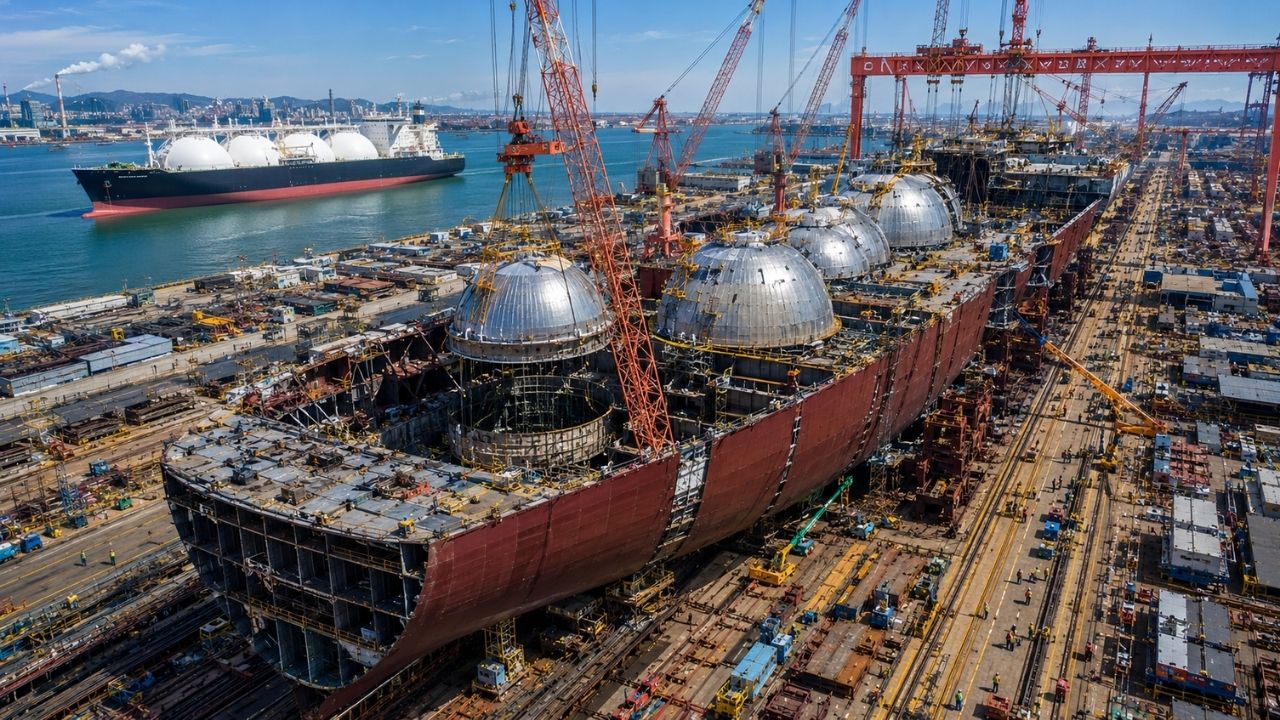
China begins construction of the world’s largest LNG ship, a 344-meter giant capable of supplying 4.7 million homes for a month, carrying 271,000 m³ of gas, and placing QatarEnergy in the largest naval order ever recorded in world history.
-
China is designing a container ship with a thorium nuclear reactor that will operate for 40 years without refueling, and the 25,000-container giant from Jiangnan Shipyard will cross oceans without emitting carbon in an industry that burns 300 million tons of fuel per year.



While infrastructure investments are advancing, there is a disconnect regarding technical training.
There is a lack of welders, boilermakers, naval engineers, and qualified operational supervisors.
To try to minimize this gap, the Mauá Shipyard is implementing internal training programs.
It is also seeking partnerships with local technical institutions.
However, the process is slow and requires governmental support.
A coordinated effort between the private sector, government, and educational sector is necessary.
The goal is to restore the naval industrial culture that Brazil has lost over the past decades.
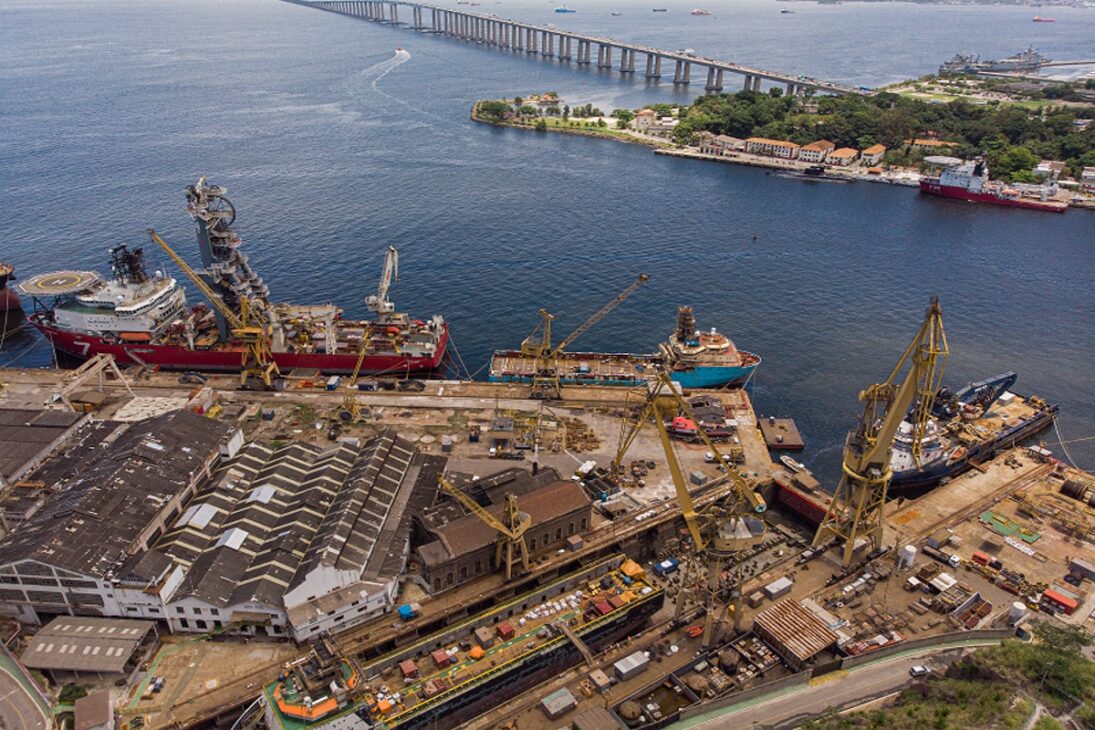
Naval Sector Sees Recovery After Years of Crisis
The injection of capital into the Niterói shipyard reflects a national trend of recovery.
After facing a severe crisis between 2014 and 2018, the sector is gaining momentum again.
The reduction in orders and the closure of several shipyards marked this crisis.
In 2024, the number of active contracts for vessel construction grew by 35% compared to 2023.
The data comes from the Brazilian Association of the Shipbuilding Industry (Abic).
The reactivation of shipyards in Rio de Janeiro and the Northeast also contributes to this positive movement.
Still, experts warn that growth will only be sustainable with professional qualification and encouragement for innovation.
As highlighted by Luiz Eduardo Barros, a researcher at the UFRJ Institute of Economics, the naval industry needs to consolidate a new technical and productive base.
This should occur during the current growth cycle.
Avoiding the mistakes of the past is essential.
Petrobras Drives New Contracts
Petrobras plays a crucial role in this recovery.
The state-owned company has prioritized the contracting of vessels built in Brazil in its tenders.
In May 2025, the company announced a package of 36 new offshore support units.
Of this total, 70% will be allocated to the national shipbuilding industry.
The Mauá Shipyard was one of the companies awarded these contracts.
The investment announced in July is directly related to this.
This strategy from Petrobras aims to stimulate local job generation.
Moreover, it strengthens the production chain.
However, according to Felipe Meira, the lack of labor may delay deliveries.
It may also compromise production deadlines.
Therefore, the executive emphasizes that it is essential to structure public policies.
These policies should encourage technical training in port regions.
Training Will Be Key for the Sector’s Future
While investments in infrastructure are celebrated, the naval sector understands that long-term success will depend directly on the qualification of the labor force.
As pointed out by industry leaders, it is necessary to expand technical courses.
It is also fundamental to reactivate training schools and promote education focused on the industry.
In Niterói, for example, the shipyard itself has been developing training programs.
These trainings are aimed at young apprentices and workers reintegrated into the job market.
Even with the challenges, the atmosphere among entrepreneurs is one of cautious optimism.
The expectation is that by 2027, Brazil will once again rank among the five largest builders of support vessels in the world.
To achieve this, it is necessary to overcome structural bottlenecks related to qualification.
Felipe Meira concludes by stating that with institutional support and persistence from the private sector, the country can regain its leading role in the naval sector.








Primeiro paguem suas dívidas trabalhistas!
Isso é mentira muita conversa fiada