






 Portuguese
  Spanish
  3 min of reading
  0 comments


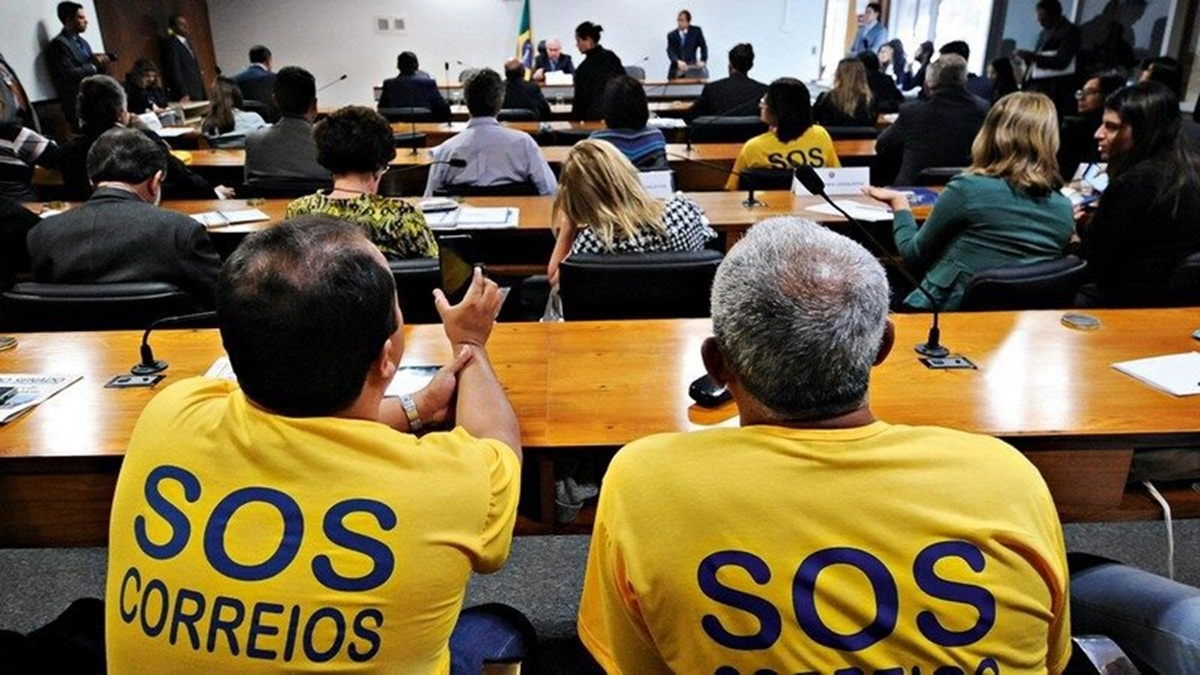
Billion-Dollar Shortfall of R$ 18.5 Billion, SOS Requests from Correios, Political Positions, and Questionable Strategic Decisions Ignite Debate on the Management of State-Owned Companies in Lula’s Third Term and Its Impact on Public Accounts.
The primary deficit of federal state-owned companies — excluding Petrobras and public banks — hit R$ 18.5 billion in the third term of Luiz Inácio Lula da Silva (PT), the highest value recorded since the start of the Central Bank’s historical series.
The number has raised alarms among economists, who point to causes ranging from mismanagement and political use of the companies to rising costs and changes in the global macroeconomic scenario.
Excessive Spending and Political Use Are on the Radar
Economist Elena Landau, former director of privatizations at BNDES, believes the problem has roots that go beyond the economic situation. You can check the full report on the CNN Brasil website.
-
Central Bank changes rule that lasted decades and allows dollar and euro accounts in Brazil for exporters and companies with foreign capital, eliminating the need for currency exchange in some transfers starting in October 2026.

-
The Central Bank ends the R$ 500 limit on Pix by approximation, and account holders will be able to use the general Pix limit to pay any amount by tapping their phone on the terminal starting in October 2026.
-
A collective political will that allows for the creation of a cross-party and state agenda, focusing on concrete actions such as reducing the Custo Brasil; commitment to fiscal balance; feasible goals that enhance professional qualification and the adoption of a myriad of incentives aimed at innovation.

-
PIX from BRICS becomes reality: BRICS Pay advances to enable international payments without the dollar; system inspired by Pix and based on blockchain could move up to 20% of global trade by 2030, while bloc countries already account for 40% of the world economy.




She claims that the current management views state-owned companies as political instruments, reflecting in the number of commissioned positions and administrative decisions deemed misguided.
The recent SOS request from Correios, which includes a loan of R$ 20 billion and a restructuring plan, symbolizes the severity of the situation and reignites the debate on the role and efficiency of state-owned companies in the country.
Other experts emphasize that, in addition to management issues, structural factors put pressure on public companies’ cash flow. One of the cited points is the rise in input and energy costs and the so-called “regulatory inertia” of companies that constantly need government subsidies.
Polarization and Fiscal Pressures Hinder Management
Besides internal and structural factors, other elements help explain the deterioration of results in the current government.
Internal political polarization complicates efficient management, while the shift from the Spending Cap to the new Fiscal Framework creates new pressures on public accounts.
International conflicts, such as those involving Ukraine and the Middle East, also affect global energy and food prices, amplifying the challenges.
Amid this scenario, the lack of technical professionals in companies and the appointment of political allies to management positions remain recurring points of criticism.
Despite the current negative scenario, experts remind that the trajectory of state-owned companies was different in Lula’s early terms.
In the early 2000s, the companies recorded significant growth, made relevant investments, and presented robust financial results.
The context was different: the country was experiencing a commodities boom and had the legacy of fiscal surpluses left by the government of Fernando Henrique Cardoso.
Today, the scenario is one of greater complexity and multiple challenges. The combination of mismanagement, political use, rising costs, and an adverse economic environment paints a delicate picture for Brazilian state-owned companies — and calls into question the current model of administration for these strategic companies for the national economy.





Be the first to react!